Do not vape if you do not smoke | The sale of vaping products is prohibited to those under 18 years of age | Vaping helps you live without tobacco and without nicotine dependence
The best cheap CBD products
There are 42 products.
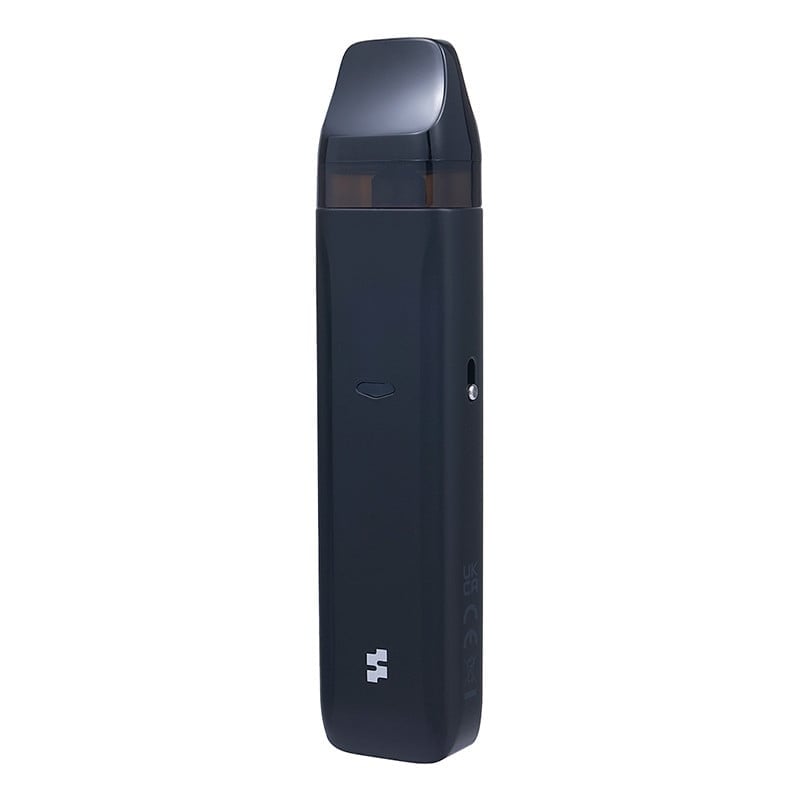
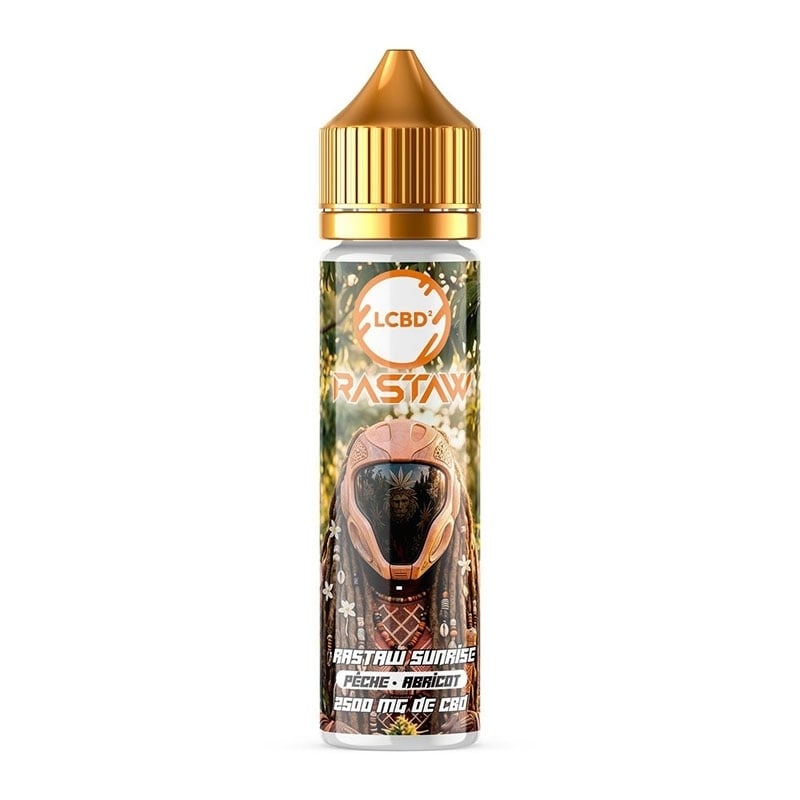
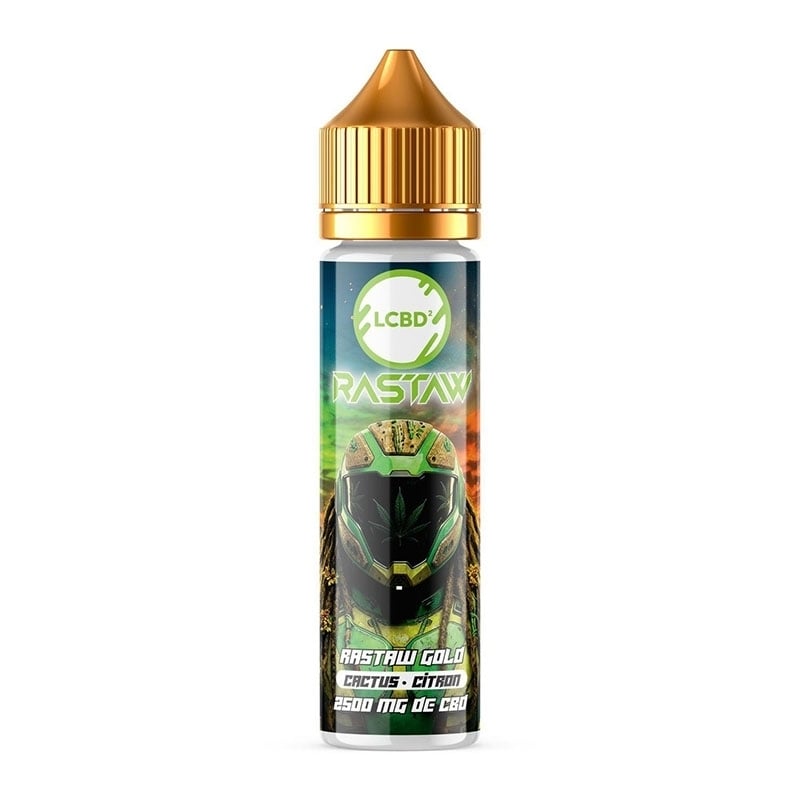
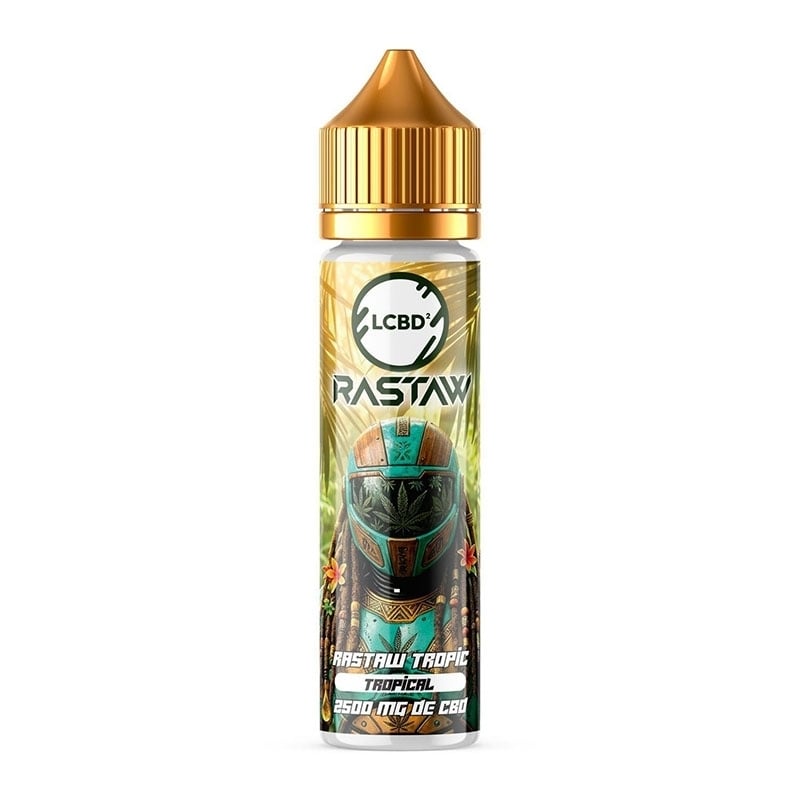
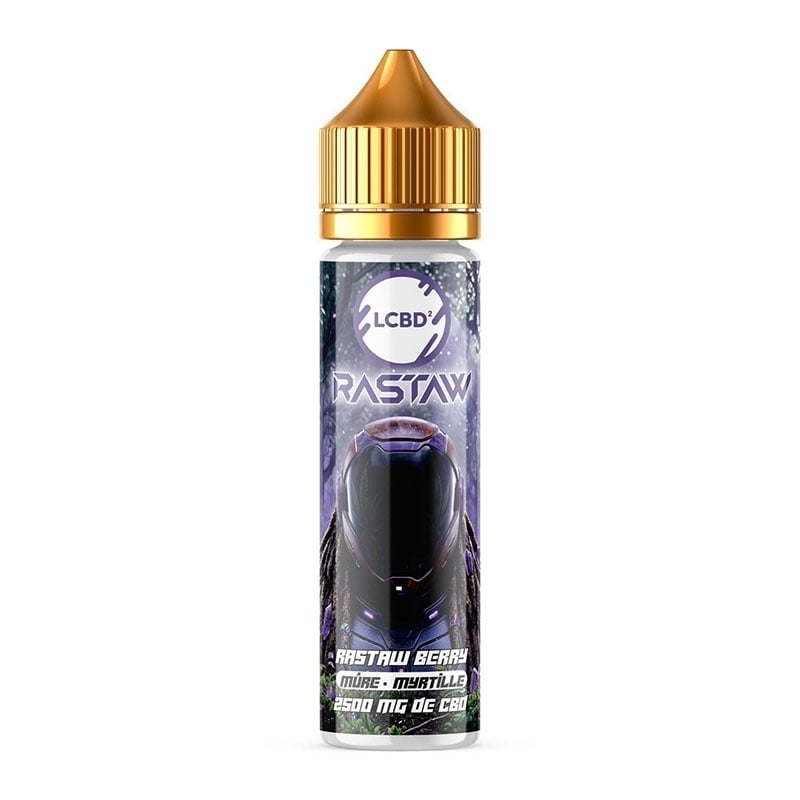
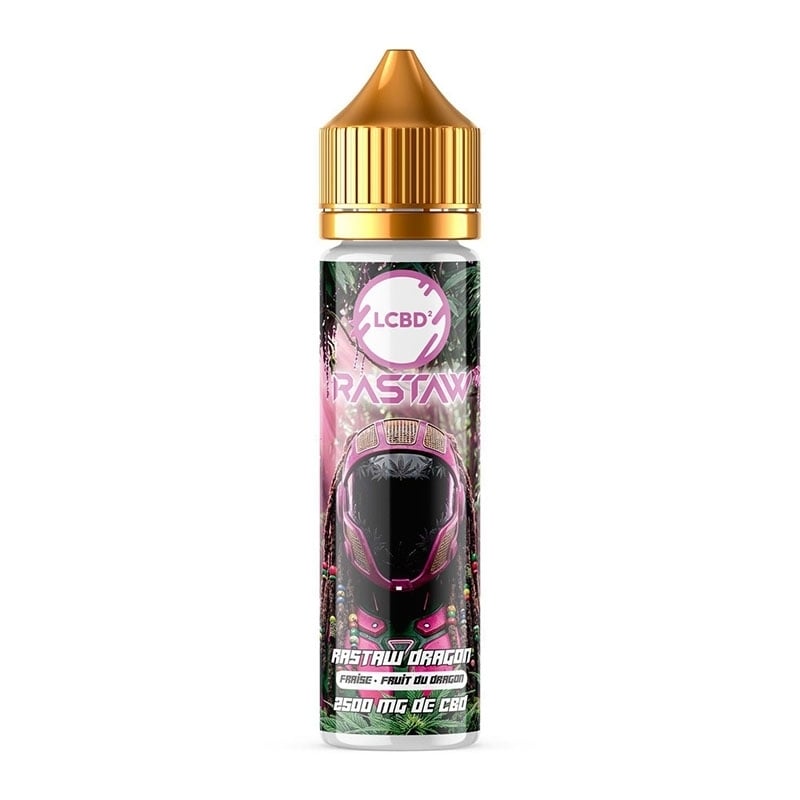
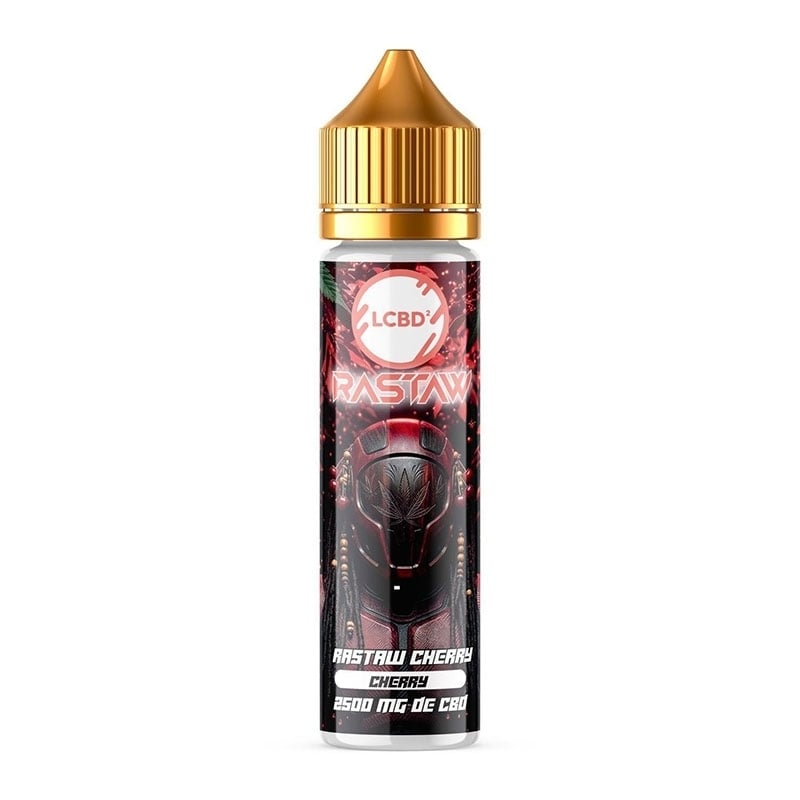
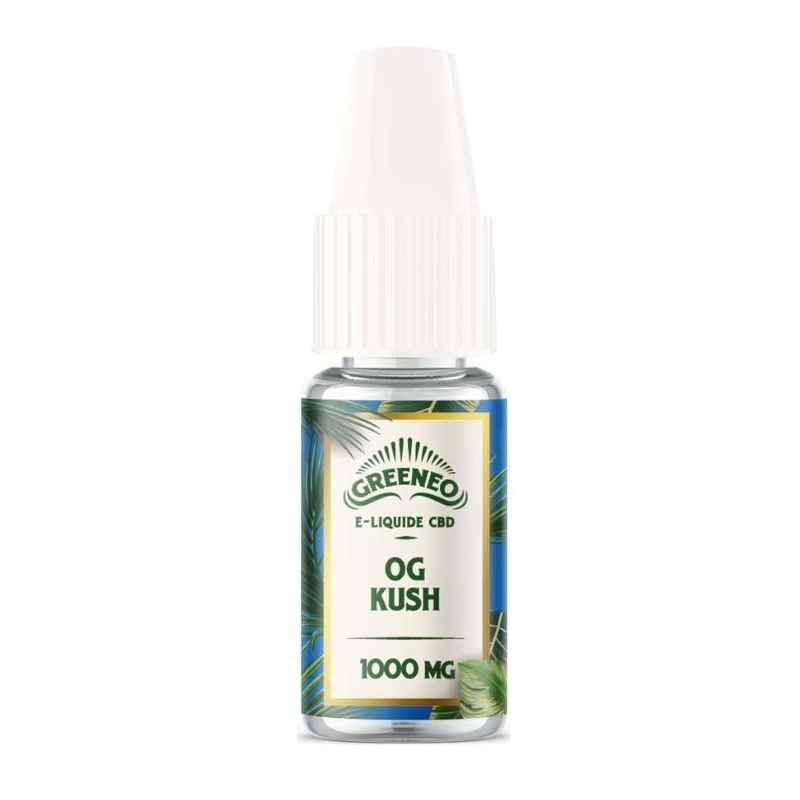
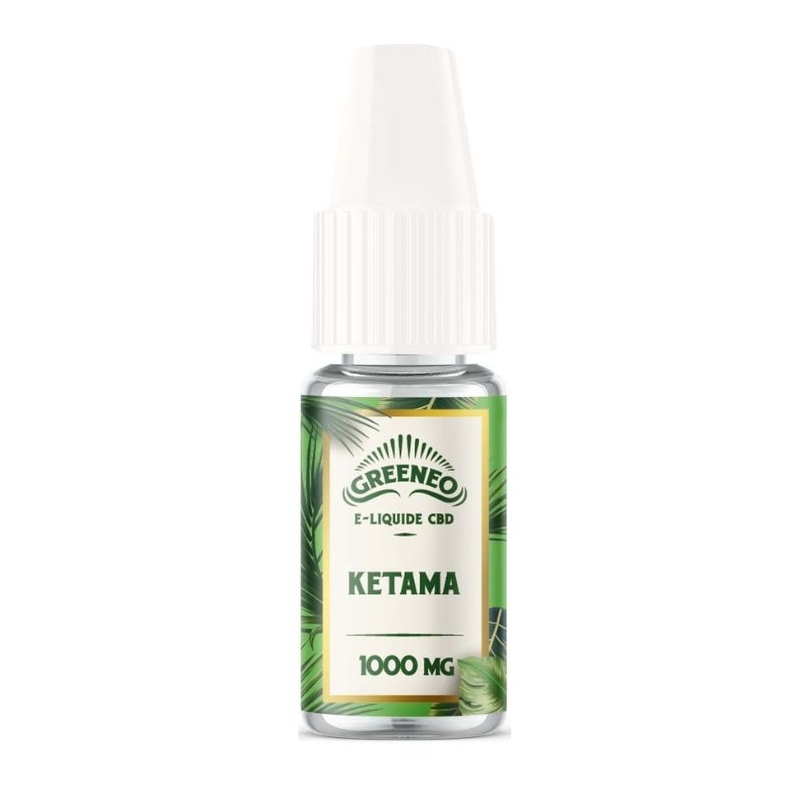
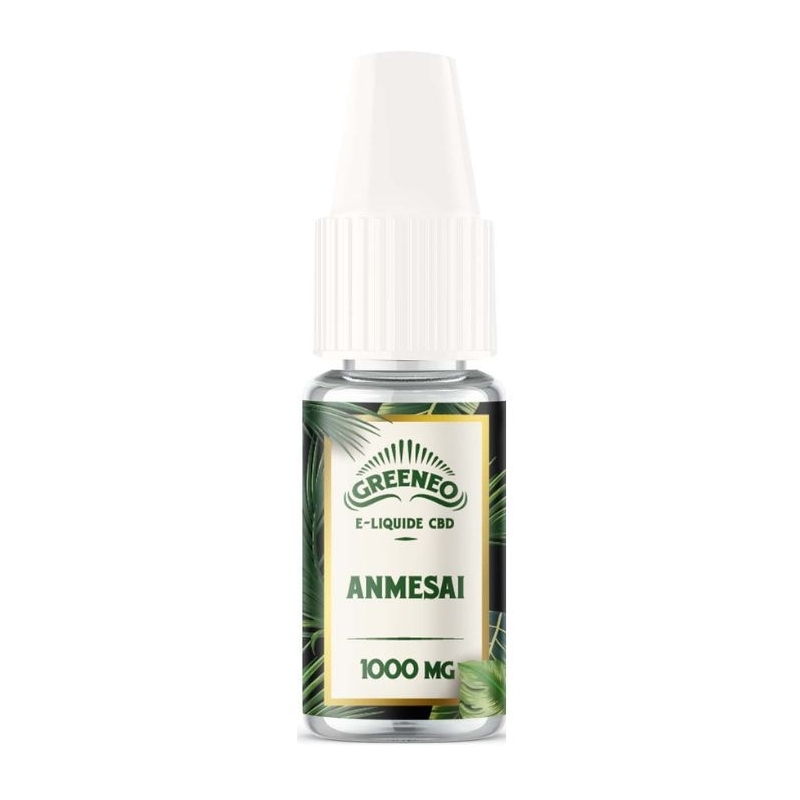
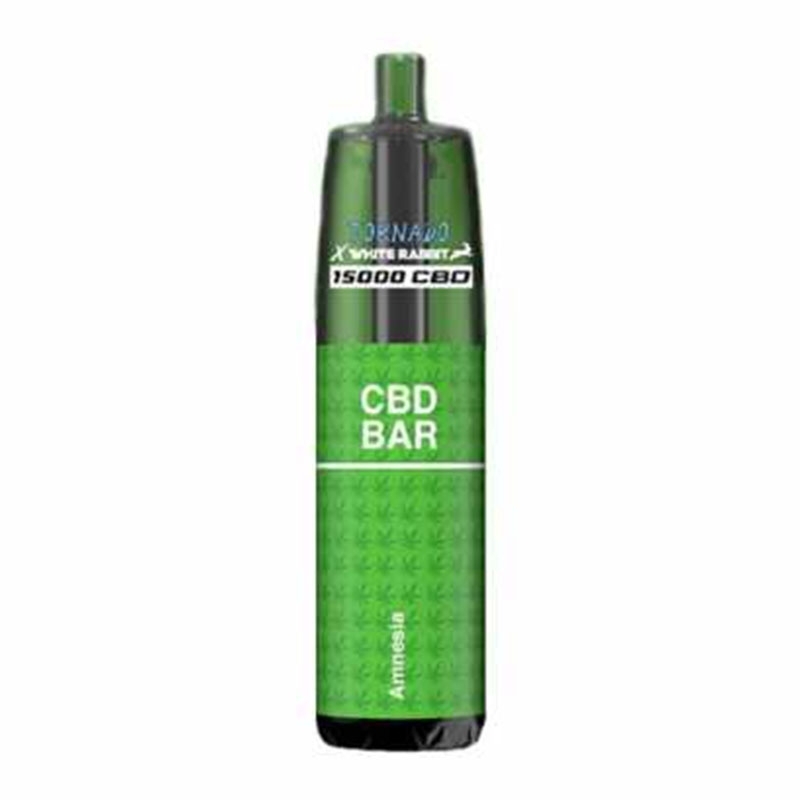
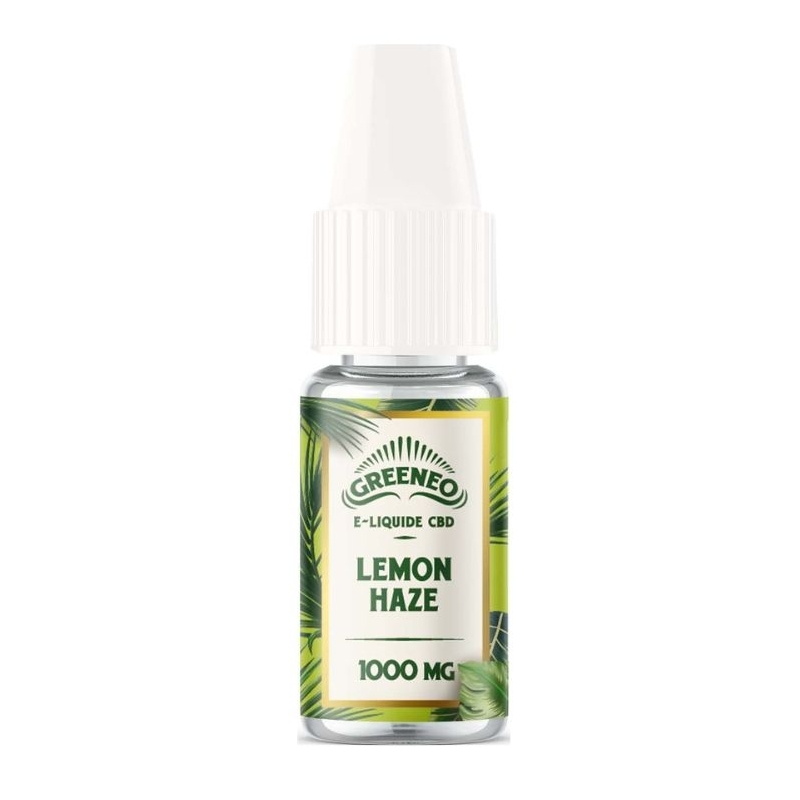

Argus G2 mini+ x CBD x VMAC Lemon Kush 10 ml - Voopoo x White Rabbit
In stock
Waiting for your reviews
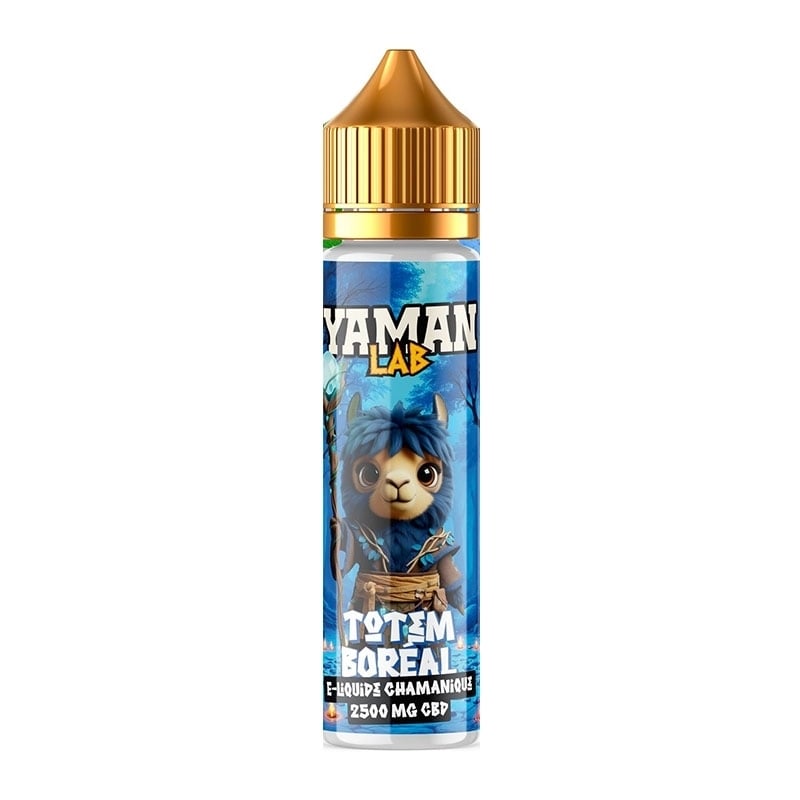
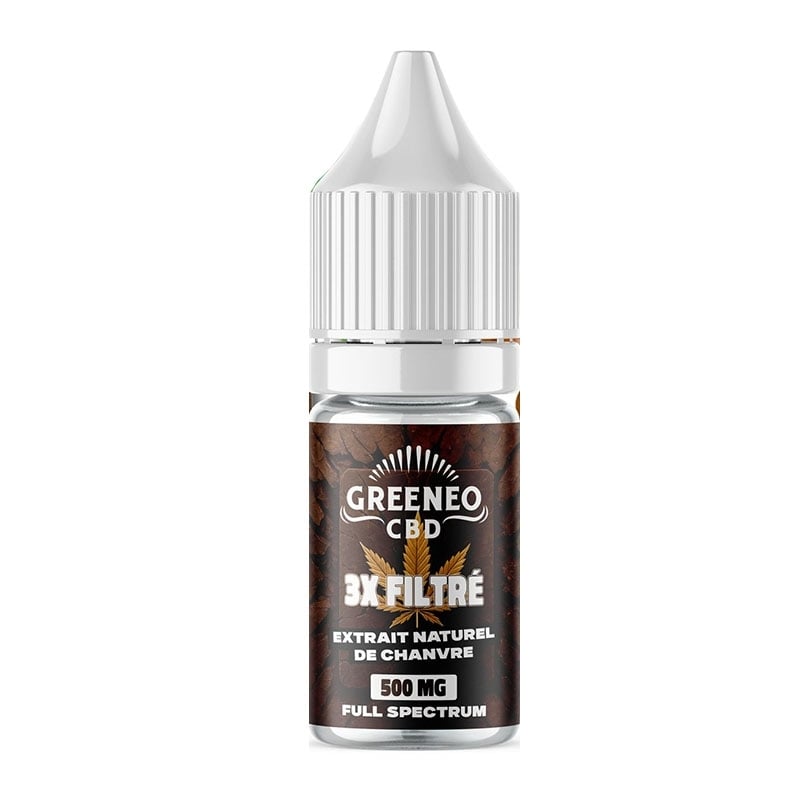

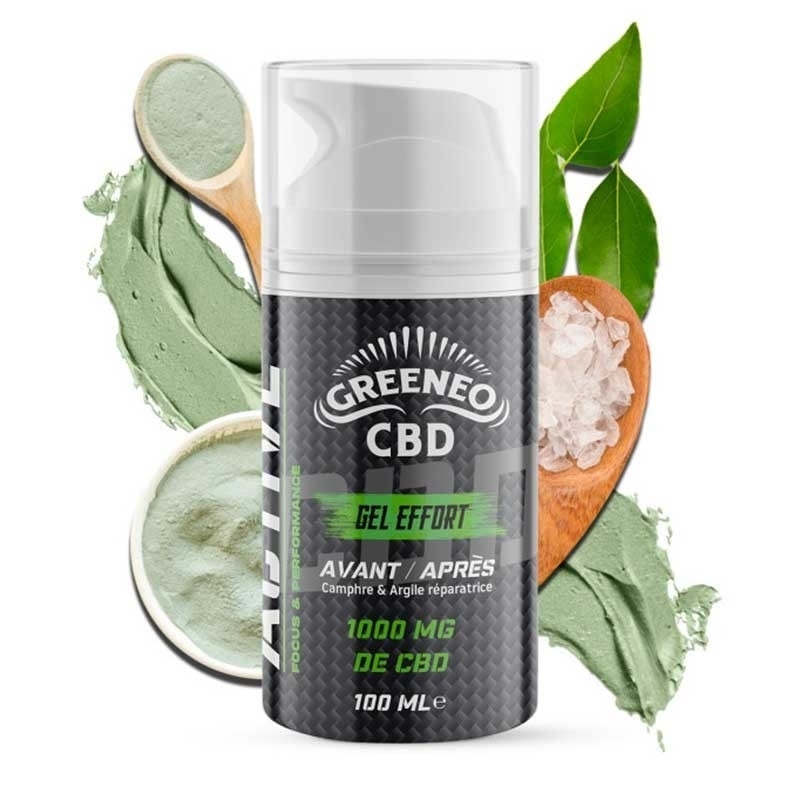
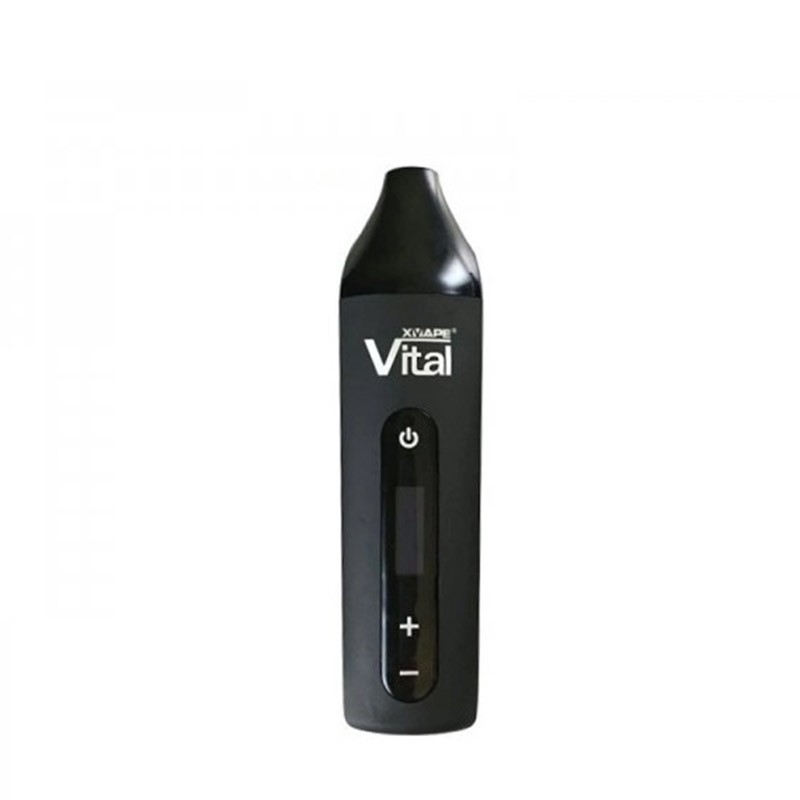
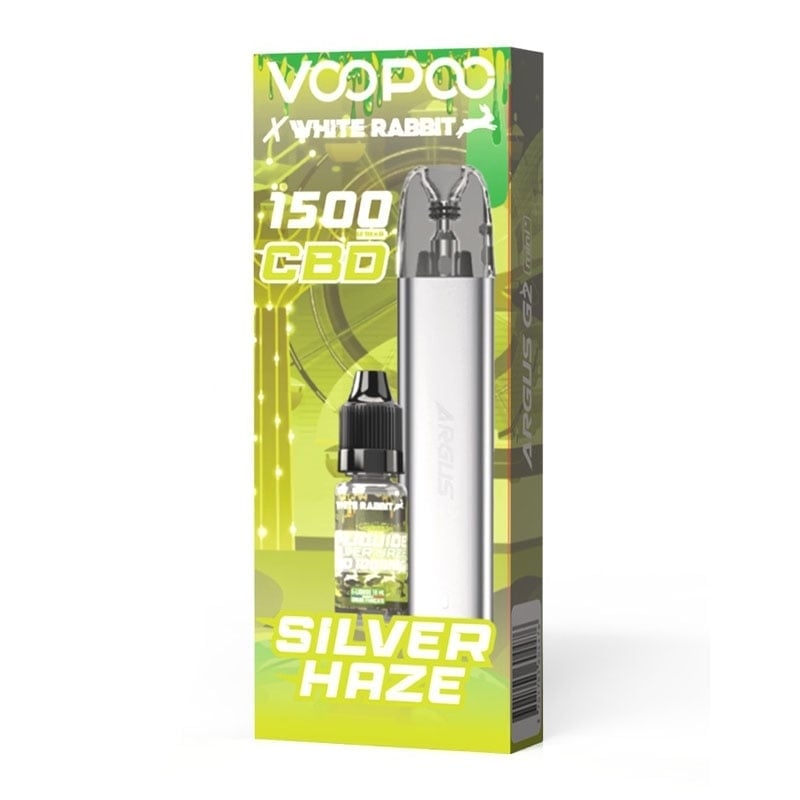
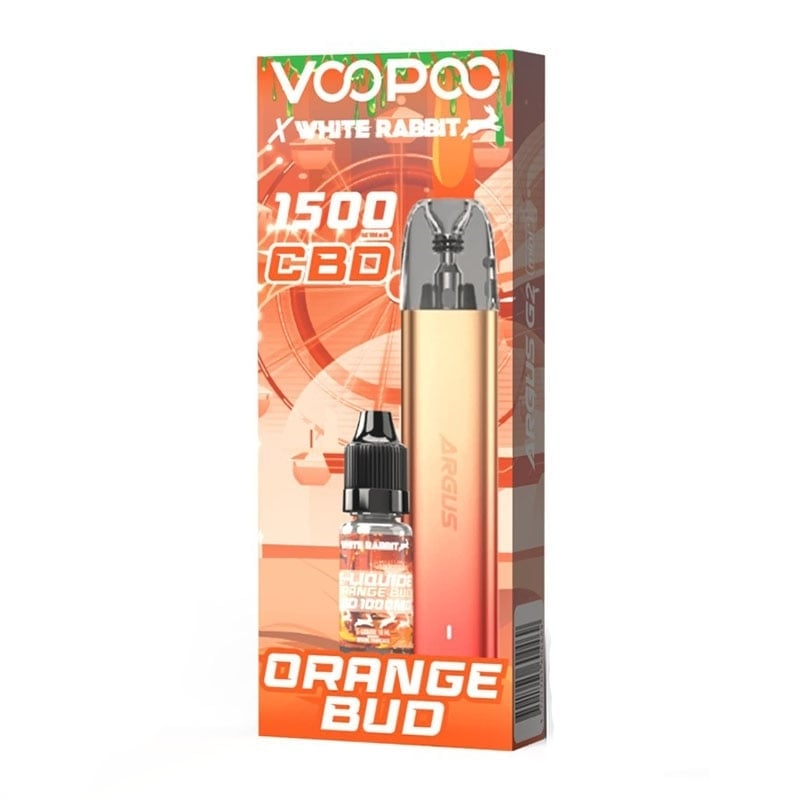
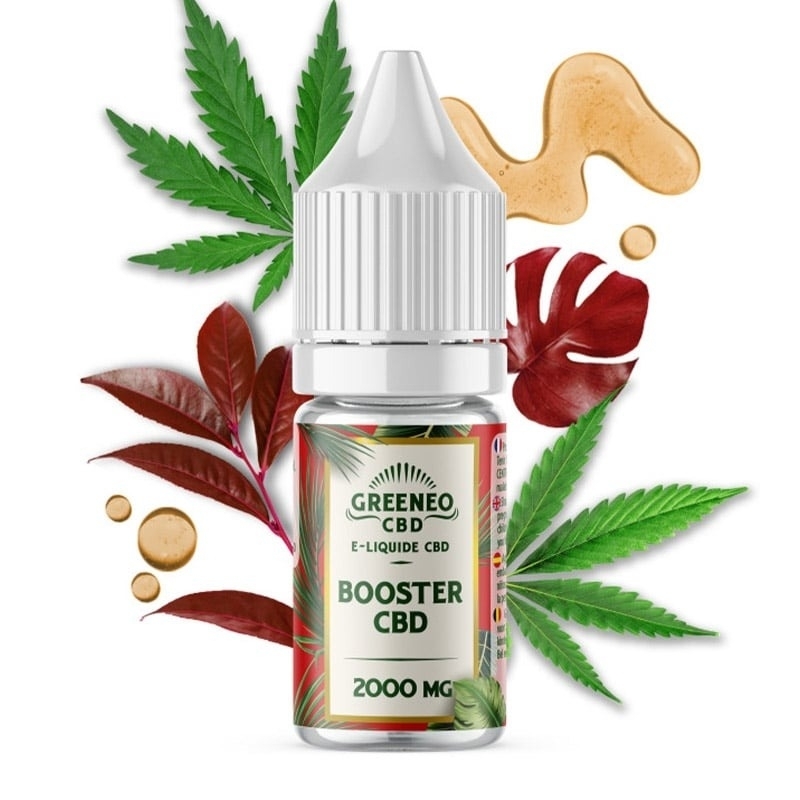
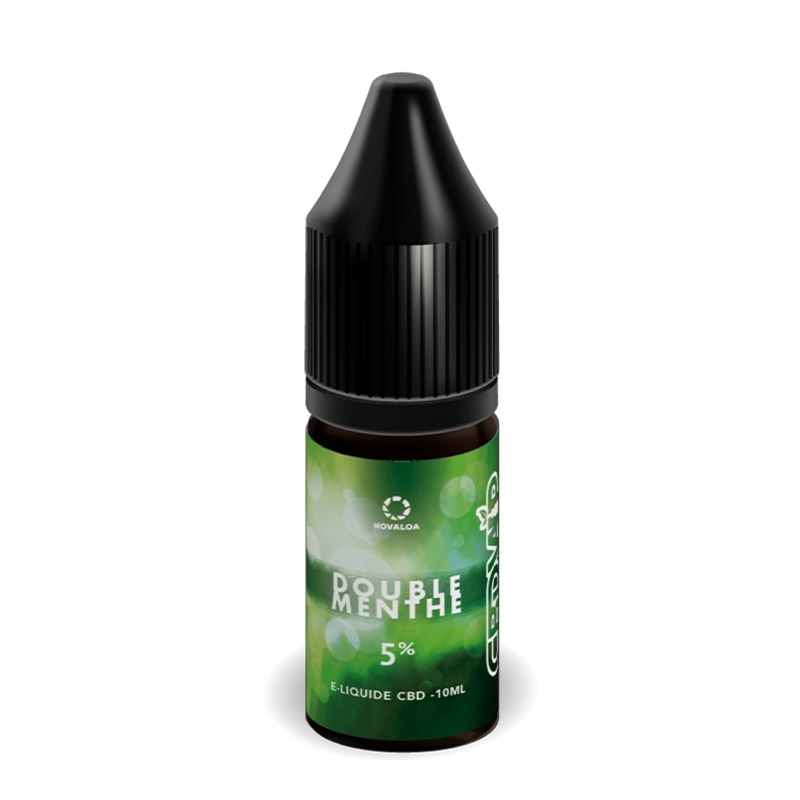
Showing 1-32 of 42 item(s)
What is CBD?
As you know, CBD has been on the market for some time now, with several hemp-based products with a reputation for providing a feeling of relaxation and well-being to their users. But concretely, if we take a closer look at the subject, what exactly is CBD? How long has it existed and why do we use it?
Often when talking about the hemp plant, its association with recreational cannabis leads people to equate it with a drug — and yet that is not the case at all, since cannabidiol is not psychoactive, unlike Delta-9-tetrahydrocannabinol, known as THC.
Hemp is a complex plant that contains several cannabinoids, each with their own properties. It remains an important subject of research, as we have not yet discovered all the specificities and effects of the plant; however, what we know to date about certain cannabinoids encourages further studies into the discovery of this mysterious plant known as Cannabis Sativa.
Today's topic is undoubtedly one of the most well-known, as we are going to talk about cannabidiol, and we will take a broader look at the specificities of the plant, from its cultivation through to its use.
How long has cannabidiol existed?
Hemp is one of the oldest plants known and used by humans; its discovery dates back to the Neolithic era, and it was found in various regions, including Asia, Russia, and China. Initially exploited for the strength of its fibers, which allowed the making of fabrics, materials for crafting fishing and hunting nets, ropes, and even boat sails. But hemp is a material that can be fully exploited from stem to flower.
The hemp plant was exploited for its therapeutic properties, notably the resin found in the flowers; hemp seeds, rich in fatty substances, offered highly interesting nourishing virtues at the time. From antiquity, certain studies were conducted to learn more about the molecule and its properties; during that era, various peoples also used cannabis seeds to heat them and inhale the vapor during ceremonies or rituals.
Later, migrations and the development of trade facilitated the transmission of the discovery of the hemp plant, and the spread of cannabis thus extended more widely across Europe. In France, Charlemagne sought to exploit it for its fibers and further develop ropes, clothing, and sails; the African continent used it to advance the manufacture of paper.
Having spanned the ages, hemp is today present — even ubiquitous — in our society. Although its status and use have often been the subject of controversy between prohibition and exploitation, hemp has always been a topic of reflection.
Considered a tool of witchcraft during the Renaissance, various religions, notably the Catholic Church and Islam, dismissed the plant's therapeutic virtues and banned its cultivation.
Later, caught up by modern times — where commercial and political stakes were at the heart of the debate, particularly with the discovery of America — the first Queen Elizabeth even imposed a fine on owners of large estates who did not cultivate hemp. The writing of the Encyclopédie began to address the psychotropic properties, reporting its use as a kind of intoxication, causing dizziness and dazzlement. In the 19th century, the plant's therapeutic virtues led to its use as a medicine to treat convulsions, spasms, pain, tetanus, rabies, cough, insomnia, and migraines. However, studies that discovered other medicines, such as aspirin in particular, diminished the plant's success, as did the emergence of cotton in the textile industry.
Following its expansion, in the early 1920s cannabis flooded the market, and due to contradictions without in-depth studies on cannabinoids, its association with drugs introduced prohibition measures in several countries; hemp was therefore removed from the pharmacopoeia — the official list of medicines — in 1950.
Towards the end of the 20th century, environmental concerns once again drove the cultivation of hemp across various fields, such as construction, food, textiles, and even biofuels. Gradually, given its potential, therapeutic use was once again authorized by many countries.
Following this, research resumed, and numerous studies continued to examine cannabinoids more closely, in particular cannabidiol and tetrahydrocannabinol. The cannabinoids were isolated, and after lengthy testing phases on primates, we were able to discover their structure and effects and understand their mechanisms.
As the years passed and studies progressed, it was effectively demonstrated that the molecule and its properties could indeed treat conditions. It had a therapeutic use in patients suffering from seizures, notably with the example of Charlotte Figi, who had 300 epileptic seizures per week; with CBD use, she went down to only 2 to 3 seizures per month.
Where other treatments had no effect, CBD was able to help this patient, within a treatment framework that included CBD as a medication.
What exactly is cannabidiol?
CBD is one of the many molecules found in the Cannabis sativa L. plant.
It has no psychoactive effects and, on the contrary, is renowned for its benefits and therapeutic properties.
It is present in the plant in acid form as CBDA, otherwise known as carboxylic acid; however, all the benefits exist in CBD form — to obtain them, the CBDA must be decarboxylated to convert the acid form into its active form.
Decarboxylation is a chemical reaction that occurs through intense heat exposure; during combustion, for example, this happens automatically, but an oven can also be used and works very well.
Once the molecule has been recovered, you can find it in its raw form as flowers, but there are also several derived products such as capsules, creams, e-liquids, oils, and for these an extraction process is required that aims to extract the CBD from the plant material.
We know of CO2 extraction, oil extraction, and solvent extraction, each having their advantages and disadvantages.
How does CBD act on the body?
Research has helped us gain a clearer understanding of how CBD works in our body, allowing us to better grasp the process through the endogenous endocannabinoid system.
This discovery reveals that it is a network composed of neurons, cells, receptors, molecules, and enzymes that maintain homeostasis. A system essential to the proper functioning of the body and brain, its action primarily targets major bodily functions: modulating emotional state, energy, and resistance to external elements.
The goal being to balance states between inner well-being and resistance to external factors that are sources of stress or elements causing disruption.
In our body we have two types of cannabinoid receptors that have been identified: CB1 and CB2.
- CB1 receptor action:
- central nervous system
- lungs
- vascular system
- retinal cells
- muscles
- gastrointestinal tract
- CB2 receptor action:
- skin
- spleen
- bones
- kidneys
- intestine
- endocrine glands
- action of both receptors
- immune system
- bone marrow
- liver
- pancreas
- reproductive organs
Overall, the effects of CBD promote a state of well-being; its effects act on sleep, pain, anxiety, behavioral disorders, and eating disorders. By providing a direct action on our cells, it aims to improve quality of life, well-being, and good health through a modulatory action.
This can help inhibit the effects of stress, for example, or relieve pain, whether physical, muscular, or joint pain. In the context of treatments involving medication, it can — provided the correct guidelines are followed — support patients in overcoming illness and various disorders. Its action is broad and extends to several cases, depending on the issues encountered.
The entourage effect: In the course of studies conducted, we defined this system, which demonstrates that once brought together, the active compounds present in hemp appear to multiply their effects when combined. The synergy of all the plant's elements, including terpenes, flavonoids, and fatty acids, would produce higher-quality effects with more efficient action.
The importance of terpenes: terpenes are natural oils that give hemp its aroma, color, and flavor. These molecules are produced in the resin of hemp, serving an antifungal protective function for the healthy development of the plant; they also help to maximize the absorption of cannabinoids by modifying the secretion or breakdown of dopamine or serotonin. They are exploited for their various characteristics and therapeutic properties, notably myrcene, linalool, limonene, and terpineol — there are more than a hundred of them, with sedative, analgesic, antioxidant, anti-inflammatory, antifungal, anti-proliferative (in the context of tumors), antibacterial, and anti-asthmatic properties.
Is cannabidiol legal?
After several evolutions and changes in the status of cannabidiol, we can confirm that it is legal today. The main reason this substance was disregarded, and was a source of controversy, was its initial similarity to THC.
Fortunately, years of research and studies have proven that CBD is not a drug.
Unlike THC, the effects of CBD are in no way harmful to health; it is not psychoactive, it presents no risk upon consumption, and side effects are very rare. By definition, it is therefore legal to produce, sell, and consume CBD in France and Europe. Depending on the guidelines and standards, of course, regulations may differ, as each country decides on the use or non-use of the substance, but this remains specific to each country's legal framework.
In France and Europe, CBD is legal, provided that the guidelines for cultivation, manufacturing, sale, and consumption of products are properly followed, meaning you will have no difficulty obtaining it. For CBD to be legal in France, it is essential that in all CBD-based products the THC level does not exceed the threshold of 0.2%.
Does consuming cannabidiol cause side effects?
Just as studies had to be conducted to approve the sale and consumption of CBD-based products, research was needed to assess the effects and, above all, to verify that taking CBD did not cause side effects. A comprehensive study on cannabidiol and its effects was carried out by Bergamaschi and his team in 2011, prompting other research teams to join the studies.
These studies were able to demonstrate that CBD has no toxic effect on the body. It does not alter food intake, does not interfere with physiological parameters such as heart rate, blood pressure, or body temperature. It does not affect transit or physiological and psychomotor functions.
The side effects noted are mainly linked to fatigue, dry mouth, a slight drop in blood pressure, a form of drowsiness and dizziness, sometimes a change in appetite, and the onset of diarrhea.
Side effects with a low impact on the body, but which nonetheless require ongoing studies to continue. We advise against the use of CBD for minors and pregnant women as a safety precaution, in order to preserve the good health of consumers. However, the consumer's profile matters, and to achieve optimal consumption while minimizing side effects, you can turn to a healthcare professional who will provide all the necessary advice for a 100% personalized treatment tailored to your situation.
In 2018, the WHO expert committee on pharmacovigilance recognized that CBD had no psychoactive properties presenting a risk of habituation, abuse, or dependence.
Likewise, there is no established dosage for the consumption of cannabidiol; we know that a dose of 1500 mg per day is well tolerated by humans. However, the quality of the effects will depend on the individual's profile, the mode of administration, predispositions, the dose, and the CBD level present in the product.
This is why we advise, by definition, consulting a healthcare professional to obtain a treatment tailored to your profile and needs before diving in blindly. Although the risks are low, this precaution applies above all to ensuring optimal use and consumption in line with the guidelines, so that the quality of the product and its effects are fully realized.
You might also like