When a smoker considers quitting tobacco, one question comes up almost every time: how much nicotine does a cigarette actually contain? Behind this seemingly simple question lie many nuances. Between the amount of nicotine present in the tobacco, the amount actually absorbed by the body, and the differences between manufactured cigarettes, roll-your-own cigarettes and e-cigarettes, it can sometimes be difficult to find your way.
However, understanding nicotine and its dosage remains essential for successfully quitting smoking. Whether you choose a patch, a gum, a nicotine replacement product or vaping, knowing your actual nicotine need helps you avoid dosage errors and limit withdrawal symptoms.
How much nicotine is in a regular cigarette?
On average, a manufactured cigarette contains around 10 milligrams of nicotine in the tobacco. This content varies depending on the brand, the type of filter, the length of the cigarette, and the tobacco blend used.
Certain so-called light cigarettes display a lower nicotine content. In practice, however, smokers often compensate for this low level by drawing on them more, increasing the number of puffs, or smoking more cigarettes throughout the day. As a result, the amount of nicotine absorbed often remains close to that of a regular cigarette.
The word "light" long suggested that some cigarettes were less harmful to health. Scientists have however demonstrated that this trend was misleading. A light cigarette smoker generally inhales more deeply and sometimes unknowingly blocks the micro-perforations in the filter with their fingers or lips.
Among well-known brands in France, some have offered different ranges with varying levels of nicotine and tar, but this does not fundamentally change the risks associated with smoked tobacco.
How much nicotine does a smoker actually absorb?
This is where things get more complex. Even though a cigarette contains around 10 milligrams of nicotine in the tobacco, a smoker absorbs on average only between 1 mg and 3 mg.
Why such a difference?
Simply because the nicotine absorbed depends greatly on the way one smokes. Two people who consume the same number of cigarettes can have a completely different level of dependence.
A smoker who inhales lightly, with small quick puffs, will absorb less nicotine than one who draws hard on their cigarette and holds the smoke in their lungs for a long time. The brain will therefore not receive the same dose of nicotine.
You have probably already noticed it yourself: the third cigarette smoked leisurely on a terrace is not inhaled in the same way as the one lit after several hours of stress or a tense meeting. In certain situations, the body demands more nicotine and the smoker unconsciously changes their behaviour.
This difference explains why some smokers develop a stronger dependence despite similar consumption.
Roll-your-own, tube and manufactured cigarettes: the same amount of nicotine?
The answer is no.
Roll-your-own or tube cigarettes generally contain far more nicotine than a regular manufactured cigarette. On average, a roll-your-own cigarette delivers about twice as much nicotine.
Data reported by several scientific articles and health organisations indicates that a roll-your-own cigarette is often equivalent to two manufactured cigarettes in terms of exposure to carbon monoxide and tars.
Carbon monoxide is moreover one of the main dangers of smoked tobacco. This toxic gas reduces the body's oxygenation and increases cardiovascular risks. The harder a smoker inhales, the greater the amount of carbon monoxide and tars absorbed.
Contrary to certain misconceptions, rolling your own tobacco does not therefore reduce health risks. Quite the contrary — roll-your-own cigarettes are often higher in nicotine, tar and carbon monoxide.
Why don't light cigarettes really reduce the risks?
For a long time, light cigarettes were presented as a "gentler" alternative. However, this label has gradually disappeared in several countries, including France.
Why? Because scientists have observed that smokers almost systematically compensated for the low level displayed on the pack.
When a cigarette contains less nicotine, the brain still demands its usual dose. The smoker will then:
- multiplying puffs;
- inhaling more deeply;
- smoking more cigarettes;
- drawing harder despite the filter.
In the end, the amount of nicotine absorbed often remains the same, or even higher.
On the health side, the situation is no better. Tobacco-related cancers remain present, even if their location may vary. A smoker who inhales deeply exposes their lungs more, while another who "holds" the smoke less will be more exposed at the ENT level.
In all cases, the main problem remains tobacco combustion and the thousands of toxic substances contained in the smoke.
How much nicotine is in an e-cigarette?
This question often comes up among people who want to vape in order to quit smoking.
In an e-cigarette, the process is very different from a regular cigarette. There is no tobacco combustion, so no tars or carbon monoxide are produced by the smoke.
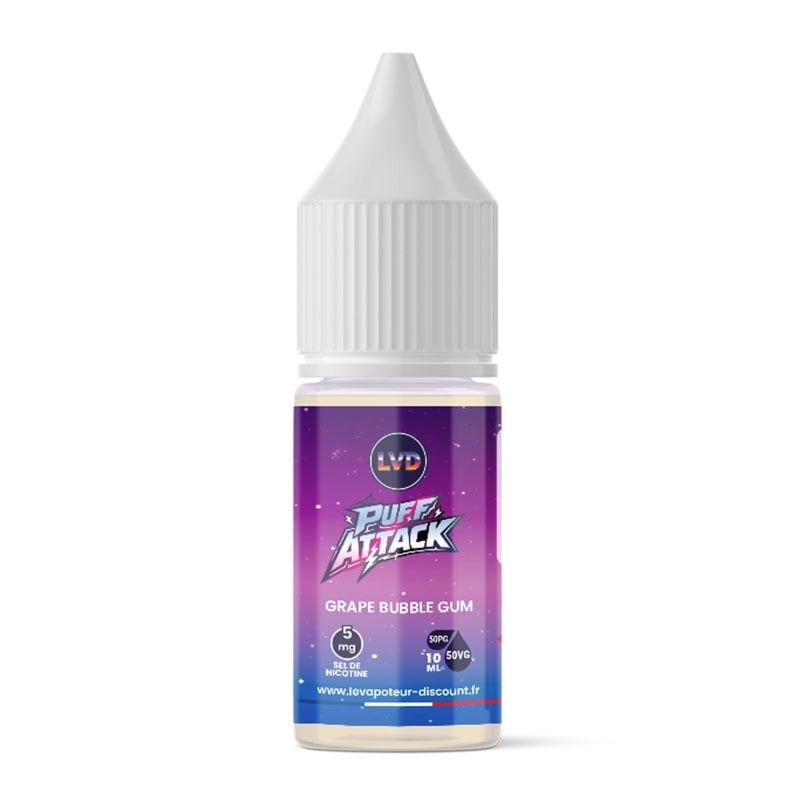
Nicotine is contained in a liquid designed to be vaporised. In France, regulations limit the maximum level to 20 mg/ml.
On paper, this may seem enormous. One single millilitre of liquid at 20 mg/ml does indeed contain 20 milligrams of nicotine, which is the theoretical equivalent of a pack of cigarettes in raw tobacco.
However, this absolutely does not mean that a vaper absorbs as much nicotine as a heavy smoker.
Why doesn't vaping deliver as much nicotine as a cigarette?
When a smoker switches to vaping, they quickly discover a major difference: nicotine is not absorbed in the same way.
With a regular cigarette, combustion allows nicotine to reach the brain extremely quickly. Within just a few seconds, the brain receives a very intense nicotine "hit".
In an e-cigarette, absorption is slower and less efficient. It is estimated that a vaper absorbs at most around 30% of the nicotine contained in the vapour.
In other words, even if a liquid contains a lot of nicotine, only part of it will actually be absorbed by the body.
This is why a former smoker can sometimes consume 10 ml of liquid at 20 mg/ml per day without receiving the equivalent of a full cigarette cartridge.
Vaping works differently:
- puffs are more frequent;
- absorption is more gradual;
- the feeling of satisfaction arrives differently;
- nicotine is delivered more slowly to the brain.
What equipment should you choose to absorb nicotine properly?
Not all electronic devices deliver nicotine in the same way.
Large e-cigarettes producing a great deal of vapor may seem more effective, but they are not always suitable at the beginning of the quitting process.
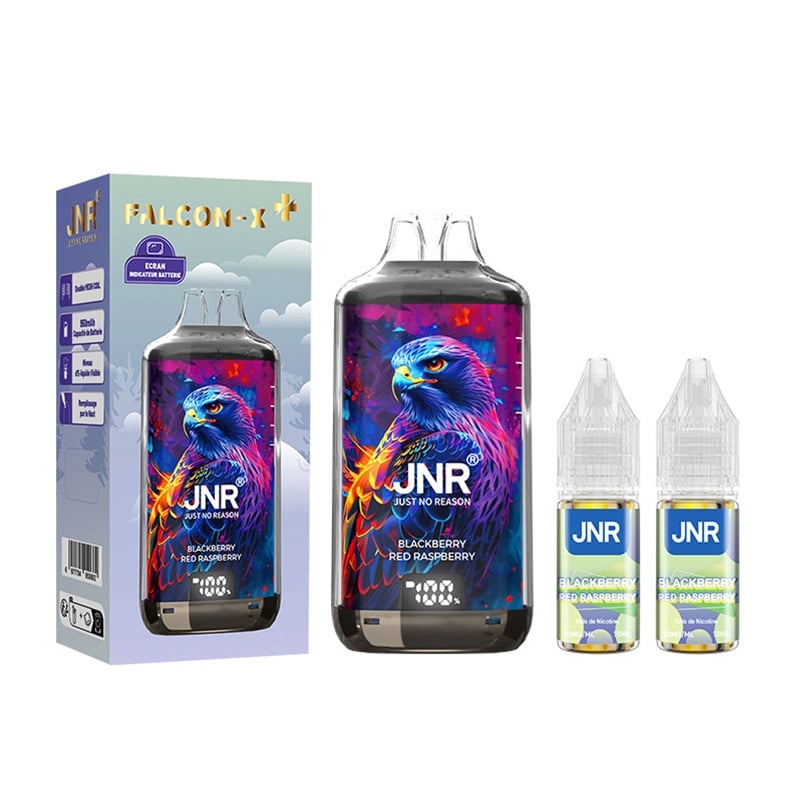
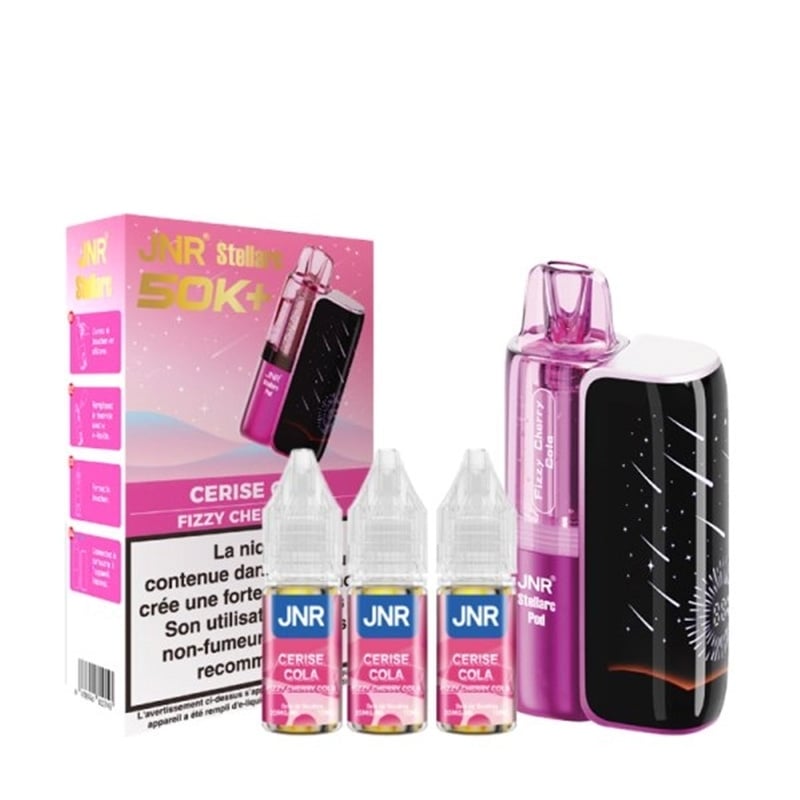
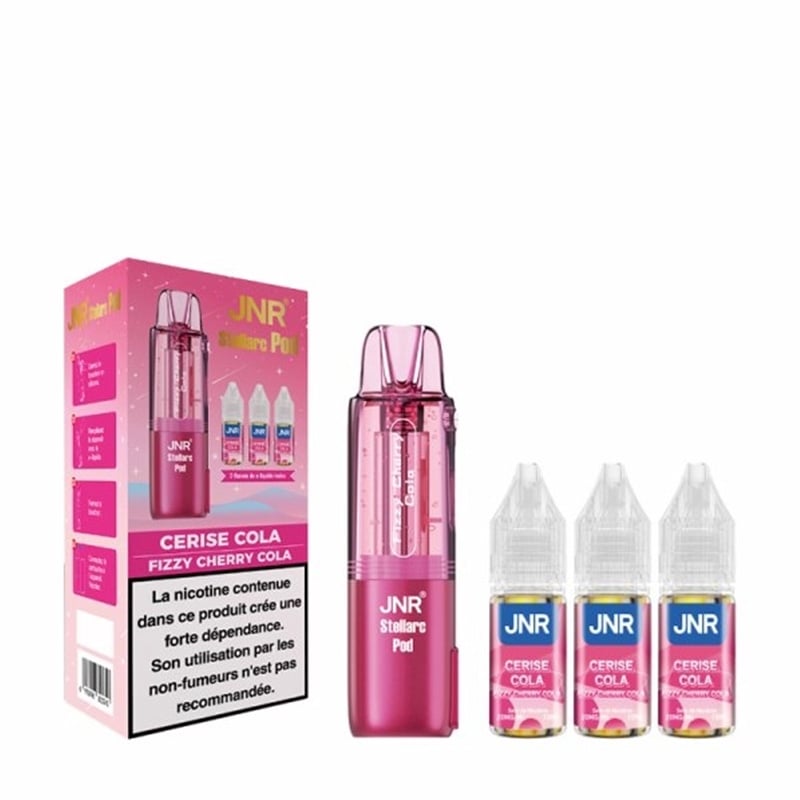
For a former smoker, specialists often recommend MTL (Mouth To Lung) equipment, meaning a tight draw, close to the sensation of a regular cigarette.
Small pod formats generally allow:
- better nicotine absorption;
- less liquid waste;
- more discreet vaping;
- better dosage control.
A well-adjusted pod with the right nicotine level will often be more satisfying than a very powerful device producing huge clouds.
See suitable e-cigarettes
Nicotine and dependence: why does the brain keep wanting more?
Nicotine acts directly on the brain. When inhaled, it stimulates certain receptors responsible for the feeling of pleasure and reward.
With a regular cigarette, this effect arrives very quickly. About 7 seconds after inhalation, nicotine reaches the brain.
The brain then associates:
- nicotine;
- pleasure;
- relaxation;
- concentration;
- stress reduction.
Gradually, a dependence sets in. The body becomes used to receiving this dose of nicotine regularly.
When a smoker suddenly stops smoking, withdrawal symptoms may appear:
- irritability;
- anxiety;
- fatigue;
- difficulty concentrating;
- sleep disturbances;
- cravings for cigarettes.
This is precisely why nicotine replacement products exist.
Patches, gums and vaping: how to choose your dosage?
The nicotine dosage must above all match the smoker's profile.
A light smoker will not have the same needs as someone who smoked a pack of cigarettes a day.
Substitutes such as patches provide a slow and steady release of nicotine into the body. Gums, sprays and e-cigarette liquids, on the other hand, offer a faster response when sudden cravings to smoke arise.
With vaping, the choice of level is particularly important:
- too low a level encourages relapses;
- too high a level can cause headaches or nausea.
Most former smokers start with:
- 3 to 6 mg for light smokers;
- 8 to 12 milligrams for average consumption;
- 16 to 20 milligrams for heavy smokers.
The right dosage is above all the one that allows you to no longer feel the need for cigarettes.
Nicotine: is it really the true danger?
Many people still believe that nicotine causes tobacco-related cancers. However, scientists today clearly distinguish nicotine from the toxic substances produced by combustion.
In a regular cigarette, the main dangers come primarily from:
- tars;
- carbon monoxide;
- thousands of toxic compounds contained in the smoke.
Nicotine remains an addictive substance, but it is not considered the main cause of tobacco-related cancers.
This is precisely why nicotine replacement products such as patches, gums and e-cigarettes are today widely used as part of smoking cessation.
How much nicotine do you really need to quit smoking?
There is no universal answer. Every smoker has their own level of dependence.
The number of cigarettes smoked remains a useful indicator, but it is not always sufficient. Two smokers consuming ten cigarettes a day may have very different needs depending on their way of smoking.
The goal is therefore not to immediately eliminate all nicotine, but above all to eliminate tobacco combustion.
When quitting, it is sometimes better to use a sufficiently high nicotine level rather than relapsing back to regular cigarettes due to lack of satisfaction. For this purpose, nicotine salt e-liquids are particularly effective.
See nicotine salt e-liquids
Over time, consumption often decreases naturally:
- reduction of the level;
- reduction in puffs;
- gradual reduction of dependence;
- spacing out liquid intake.
Key takeaways
So, how much nicotine is in a cigarette?
- A cigarette contains on average 10 milligrams of nicotine in the tobacco.
- A smoker generally absorbs between 1 and 3 milligrams depending on their way of smoking.
- Roll-your-own cigarettes often contain more nicotine and expose users more heavily to carbon monoxide.
- Light cigarettes do not actually reduce the risks.
- In an e-cigarette, nicotine is absorbed differently and more slowly.
- Vaping makes it possible to avoid the tars and carbon monoxide produced by tobacco combustion.
- The right dosage depends above all on the smoker's profile and level of dependence.
Understanding nicotine is above all a way to better support your quitting process and to use the right tools at the right time, whether that means a patch, a pod, nicotine-containing liquids or other suitable substitutes.