Quitting smoking is often presented as a positive turning point for health, and it's true: less smoke, less tobacco use, less cardiovascular risk… Yet many smokers report feeling low, anxious, experiencing troubling symptoms or even a sense of depression after setting aside the cigarette.
Why do these effects occur? What is the real role of nicotine? And above all: how do we understand the true chemical mechanism hidden behind tobacco addiction?
This article explains the role of MAOIs (monoamine oxidase inhibitors), the way acetaldehyde promotes them, their effect on mood and the withdrawal syndrome, and then the solutions to regain a more stable life, even in cases of persistent disorders.
Quitting smoking: why can depression appear?
When discussing smoking cessation, most studies long focused on nicotine. Yet it is not the only molecule at play: MAOIs produced by the combustion of cigarettes play a determining role in tobacco consumption, risk-taking and emotional addiction.
Many smokers confuse nicotine withdrawal with depression, when it is often a disruption in neurotransmitter levels linked to MAOIs. The results of modern research show that mental health, mood, judgment and feelings of stress depend on a fragile balance in which smoking artificially promotes stability.
That is why some symptoms last several weeks, or even longer depending on each person's level of dependence.
The MAOI mechanism: the real reason behind the "calming" effect of cigarettes
MAOIs: what exactly are they?
MAOIs are inhibitors of the enzyme that destroys dopamine, serotonin and noradrenaline.
In plain terms: they increase the levels of these molecules involved in mood, confidence, stress management and emotions. They are used in the medical field as powerful antidepressants that require a gradual withdrawal period.
Some studies show that smokers have an artificially elevated dopamine level not only because of nicotine, but mainly due to MAOIs. This is a relationship often unknown to the general public.
In the 1980s, Victor DeNoble, a researcher working in a Philip Morris laboratory to develop a less deadly cigarette, had demonstrated that acetaldehyde (MAOI) alone was more addictive than nicotine. The synergy of nicotine and acetaldehyde (MAOI) produced a strong addiction. His research was published, praised... No, that's not true: he was fired, his work was buried, only to resurface 15 years later in a lawsuit. The brand increased by 67% the additives creating acetaldehyde in its cigarettes between 1982 and 1991.
Where do MAOIs in tobacco come from?
They come from… sugar!
To counter the very bitter and unpleasant taste of tobacco cigarettes, manufacturers added sugar to the composition: honey, chocolate or sucralose.
When tobacco is burned with this sugar, acetaldehyde combines with other compounds and forms MAOIs. This phenomenon of tobacco combustion produces powerful natural inhibitors capable of durably altering the mental health of the smoker.
Scientific data shows that:
- MAOIs temporarily improve mood;
- They promote an immediate reduction in anxiety;
- They reinforce addiction and the side effects of smoking.
The shock of withdrawal: why does it create an emotional "void"?
At the moment of quitting, the brain must relearn to regulate its neurotransmitters on its own.
This triggers a deep withdrawal syndrome, where the symptoms are not solely linked to nicotine, but to the absence of MAOIs.
The main effects observed:
- Persistent low mood;
- Increased anxiety;
- Loss of confidence;
- Physical stress-related disorders;
- Irritability, impaired judgment, mood disorders;
- Weight fluctuation;
- Mental fatigue;
- Sleep disorders, insomnia.
These side effects can last several weeks, sometimes longer.
Nicotine: an addiction… but a secondary one
Contrary to popular belief, it is not nicotine alone that creates the strongest addiction. Studies show that:
- Nicotine acts quickly but briefly;
- MAOIs prolong the effect of satisfaction;
- The complete tobacco mixture is what solidifies addiction.
That is why nicotine replacement therapies work well but are not miraculous: they relieve the immediate craving linked to nicotine, but without MAOIs, they require more consistent use. Hence the feeling of vaping more than one used to smoke.
Result: the smoker manages their withdrawal better when they don't hesitate to use a high nicotine dosage to cope with the side effects.
The use of nicotine replacement therapies is a technique recommended in every study, as it improves outcomes and reduces the risk of relapse.
The e-cigarette: a harm reduction and stabilization tool
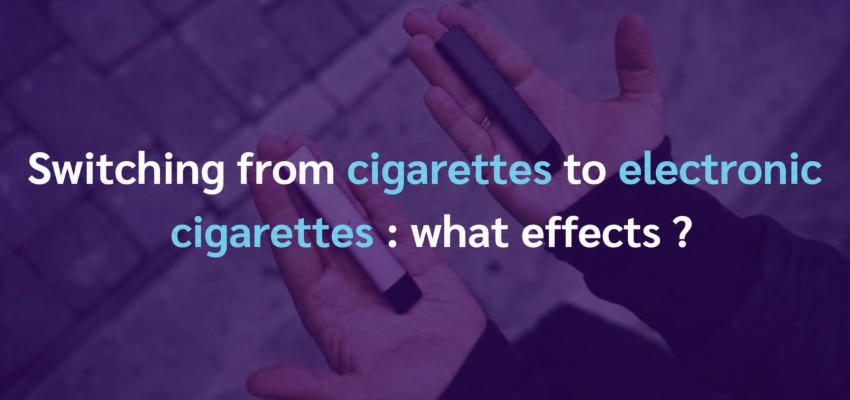
The e-cigarette has established itself as a highly effective solution to support smoking cessation in smokers experiencing strong symptoms, whether physical, emotional or behavioral. It provides controlled nicotine consumption, without the major toxins of smoking and above all without producing acetaldehyde — except in the case of a "dry hit," a phenomenon that occurs when the coil heats an empty tank. That is why it is important to vape with a well-filled tank and to change your coils regularly.
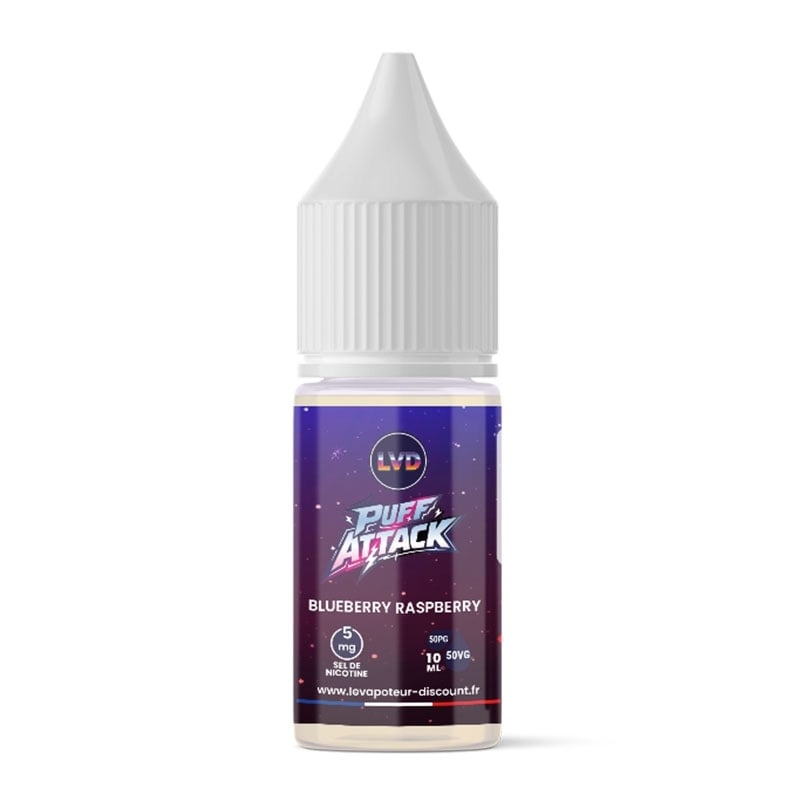
By using nicotine salt e-liquids, the smoker gets a fast and smooth intake, very close to the sensation provided by a cigarette, which promotes a clear reduction in withdrawal symptoms. These salts help stabilize the nicotine level in the body, reduce mood fluctuations and improve stress management.
They also help ease cravings while maintaining behavior close to that of smoking, but without MAOIs and without the side effects of combustion. For many smokers, this gestural continuity greatly reduces disorders and improves the chances of success.
Discover the best e-cigarettes to quit smoking
Explore our special section on nicotine salt e-liquids
Solutions: how to avoid feeling low after quitting smoking?
Examples of small daily solutions
- Walking 30 minutes a day: physical activity releases dopamine;
- Anti-stress breathing and/or meditation: 5 minutes morning and evening;
- Sleep more to stabilize mood and reduce fatigue;
- Keep a withdrawal journal to track emotional fluctuations and moments prone to relapse.
These small techniques improve sensations and build confidence over the weeks.
Leisure and activities
Life after smoking should become a new life, not just a battle.
Studies show that activities that regulate stress are the most effective:
- Gentle exercise: cycling, yoga, swimming, walking;
- Creative activities: drawing, music;
- Social activities: clubs, associations;
- Strategy games to stimulate judgment.
Nicotine replacement therapies and medical aids
- E-cigarette with nicotine salt e-liquid;
- Patches, gums, lozenges or mouth sprays;
- Follow-up with a tobacco specialist doctor;
- Follow-up with a psychologist specializing in cognitive behavioral therapy.
These nicotinic solutions and support help reduce addiction without reintroducing MAOIs.
Medications may be considered for people suffering from proven depression or persistent disorders. In such cases, medical advice and follow-up are strongly recommended.
Quitting smoking is not just about quitting nicotine
Dependence on tobacco is a complex mix of:
- MAOIs and nicotine;
- behaviors and habits;
- stress and emotions.
Understanding the MAOI mechanism helps explain why some smokers experience a more or less severe low mood as a side effect during cessation.
But the scientific data is clear: after a few weeks, the brain adapts, regains its balance, and the positive effects on health, daily life and judgment are considerable.
With the right tools, everyone can overcome this hurdle and durably break free from smoking, without confusion, without bias, and above all without guilt.
Le Vapoteur Discount supports you
To support every smoker through a smoother quit, Le Vapoteur Discount offers a wide range of e-cigarettes, nicotine e-liquids and nicotine salts suited to all levels of addiction. The goal is simple: to provide effective solutions to quit smoking without stress, without tobacco combustion, while respecting each person's gestural and nicotinic needs.
Through rigorous selection and personalized advice, Le Vapoteur Discount improves the support offered to smokers who wish to live a tobacco-free life.
Whether you choose a simple e-cigarette or a more advanced device with a nicotine salt e-liquid to ease withdrawal symptoms, you will find on Le Vapoteur Discount a complete range, designed to turn quitting smoking into a lasting success.