Anti-tobacco laser: side effects
What is the laser method for quitting smoking? Does it work? And what are the possible side effects?
What is the laser method for quitting smoking? Does it work? And what are the possible side effects?
What if a simple laser beam were enough to reduce your urge to smoke and finally embark on a real withdrawal?
Every year, new smoking cessation methods emerge. The anti-tobacco laser captivates with its promise: reducing dependence, curbing cravings, and facilitating cessation without marked symptoms.
But how does it work? Is it truly of recognized and proven effectiveness? Are there any potential side effects?
Discover this technique, its limitations, and its place in your smoking cessation journey!
The anti-tobacco laser is based on a technique inspired by acupuncture and Chinese medicine. The practitioner applies the laser to points associated with addiction, cravings, and smoking cessation, to help the body regulate reactions related to tobacco.
The concept is based on a gentle stimulation that is said to act on stress management, the regulation of neurochemical substances, and the easing of cravings. This modern application combines Asian traditions with contemporary tools.
Each session takes place at the practitioner's office or in a specialized center.
The practitioner then passes the laser — sometimes as a targeted treatment on the outer ear (auriculotherapy), sometimes on other areas of the body. It is a kind of stimulating cold light that:
Some smokers start with a first session, then follow up with additional sessions based on their motivation, their level of addiction, and a personalized follow-up that adjusts the method along the way.
In France, the price varies depending on the center, the support offered, and the duration of the appointment: expect to pay €150 to €220 per session, with duo or trio packages focused on smoking cessation results. The full package depends on the number of sessions and the level of support desired.
The question of effectiveness comes up frequently. The opinions of healthcare professionals and addiction specialists remain cautious. The anti-tobacco laser is not an officially recognized method by French health authorities, due to a lack of large-scale validated studies.
Tobacco specialists remind us, however, that certain alternative approaches can help some patients, especially when they are part of a comprehensive support plan, genuine motivation, and consistent medical follow-up.
The laser can reduce cravings in some smokers, especially during the first weeks of withdrawal, by providing physical and mental relief linked to the stimulation of points associated with addiction.
The perceived effect, however, varies greatly from one person to another.
Some patients experience a marked reduction in urges to smoke, while others continue to face the same symptoms as during a conventional tobacco cessation.
This diversity of results is explained by the level of addiction, motivation, environment, but also by the very nature of the technique, which acts more as a supplementary solution than a standalone treatment for lasting cessation.
The laser may prove more relevant when combined with other smoking cessation methods. These approaches act on different mechanisms of addiction, whether physical, emotional, or behavioral:
• Hypnosis;
• Behavioral therapy;
• Nicotine substitutes;
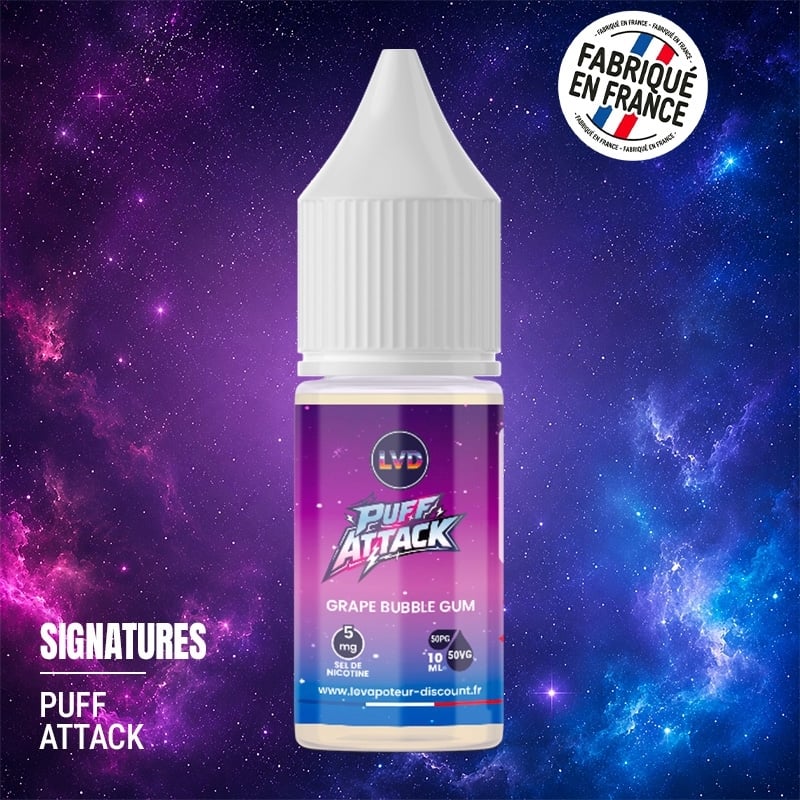
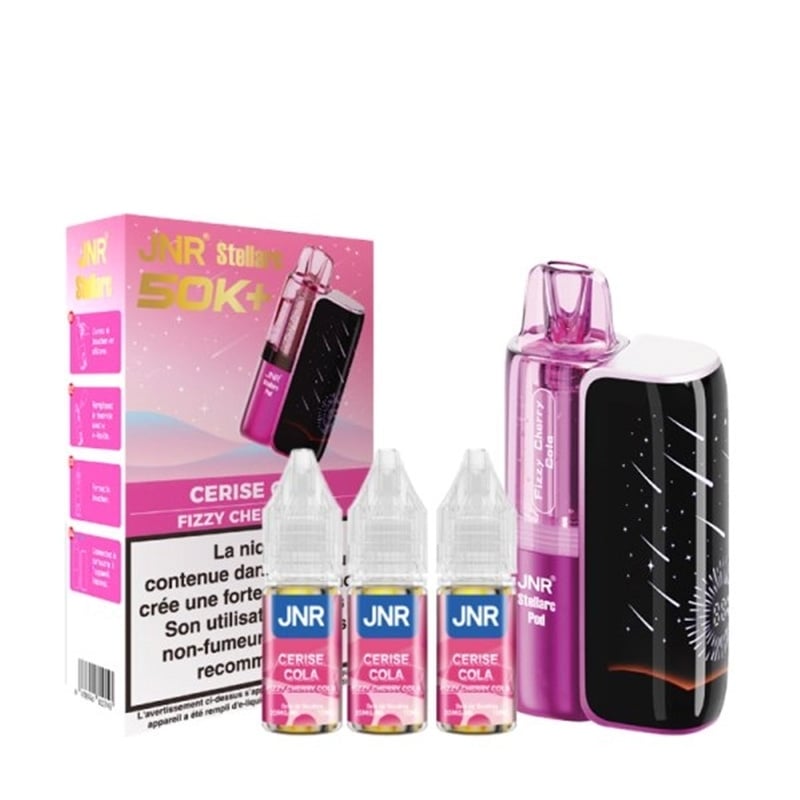
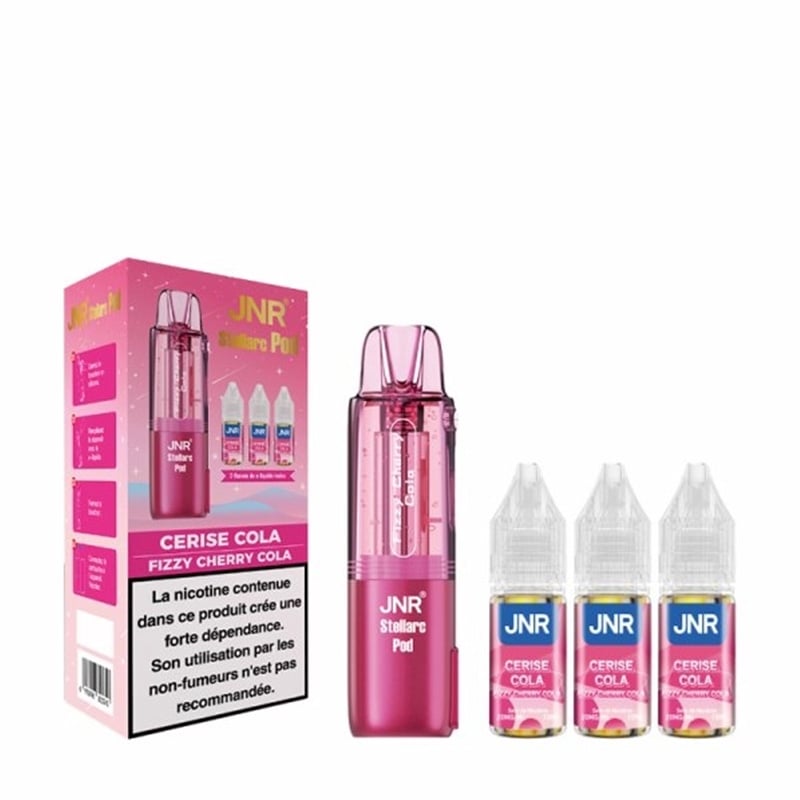
• E-cigarette.
This complementarity strengthens the support and often improves results, as it takes into account the body, habits, and the management of substances associated with tobacco.
Well coordinated during an appointment and a truly personalized follow-up, this type of strategy can increase the chances of success by adapting the method to the reality of each individual journey.
Centers often highlight the complete absence of side effects related to the session. The cold light does not burn and does not act like a medication. Yet some testimonials remain more nuanced and remind us that the body always reacts to stopping an addictive substance.
These side effects do not come from the laser, but from nicotine withdrawal. Their intensity depends on your level of addiction and your response to the method. You may thus experience:
These symptoms are common during an abrupt or gradual cessation of smoking. They reflect the body's readjustment and the decrease of addictive substances present in cigarettes.
Every smoking journey is unique. Some people feel few effects, while others go through a few more uncomfortable days.
The most important thing is to prepare yourself to accept these signals as normal stages of your withdrawal and to seek support from specialists.
Each of these steps reinforces your experience and brings you closer to a smoke-free life.
Are you hesitating between the two solutions? The approaches are not mutually exclusive.
The e-cigarette can perfectly complement the cessation initiated by the laser, provided it is used wisely.
If your goal is to avoid nicotine, opt for a nicotine-free e-cigarette. It can soothe certain compulsive gestures:
This behavioral support sometimes helps to limit the most difficult side effects experienced during the first few days.
See all e-cigarettes for quitting smoking
As we have seen, faced with the doubts surrounding the anti-tobacco laser and the variations in effectiveness observed across individual smoking journeys, the most important thing is to find the tool that truly supports your withdrawal.
Some patients respond positively to the laser, while others make more progress through a behavioral approach or a nicotine-free e-cigarette, capable of easing cravings and reducing certain automatic behaviors associated with tobacco.
To help you get through this hurdle and choose a suitable solution, Le Vapoteur Discount offers devices designed to ease your symptoms, support your motivation, and accompany you throughout your entire smoking cessation process.
Read the summary with

About the author
CaroleAn SEO writer specialising in the vaping world for over 6 years, I lend my pen to Le Vapoteur Discount to inform, advise and support vapers on a [...]
Add a comment