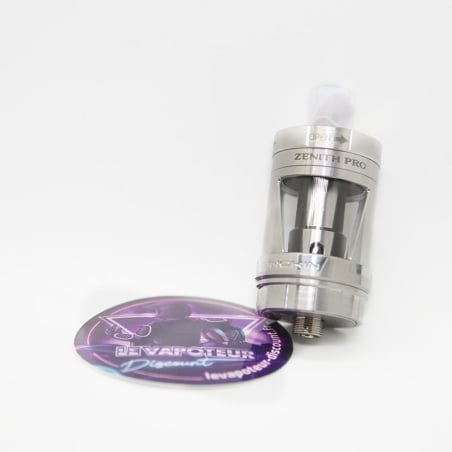
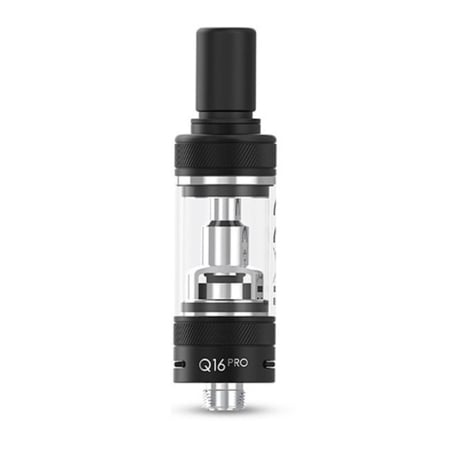
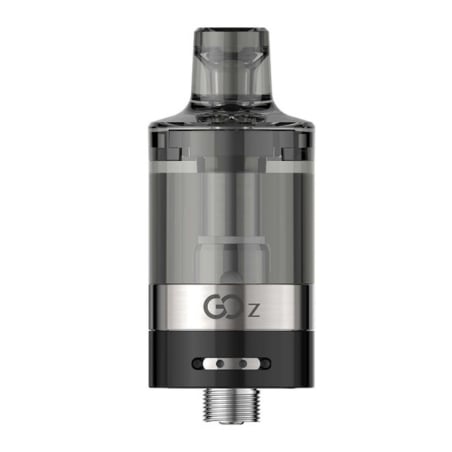
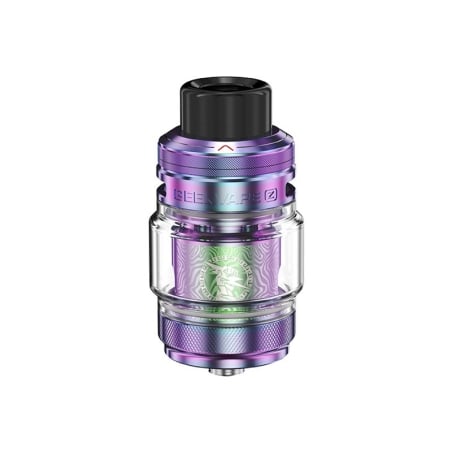
Clearomiser, atomiser, Pyrex and drip tip: what does each do?
The clearomizer holds the liquid, the atomiser heats it, the pyrex is the glass and the drip tip the mouthpiece. The vocabulary sorted out.
The clearomizer holds the liquid, the atomiser heats it, the pyrex is the glass and the drip tip the mouthpiece. The vocabulary sorted out.

Listen to the summary (≈ 1 min)
AI-generated voice
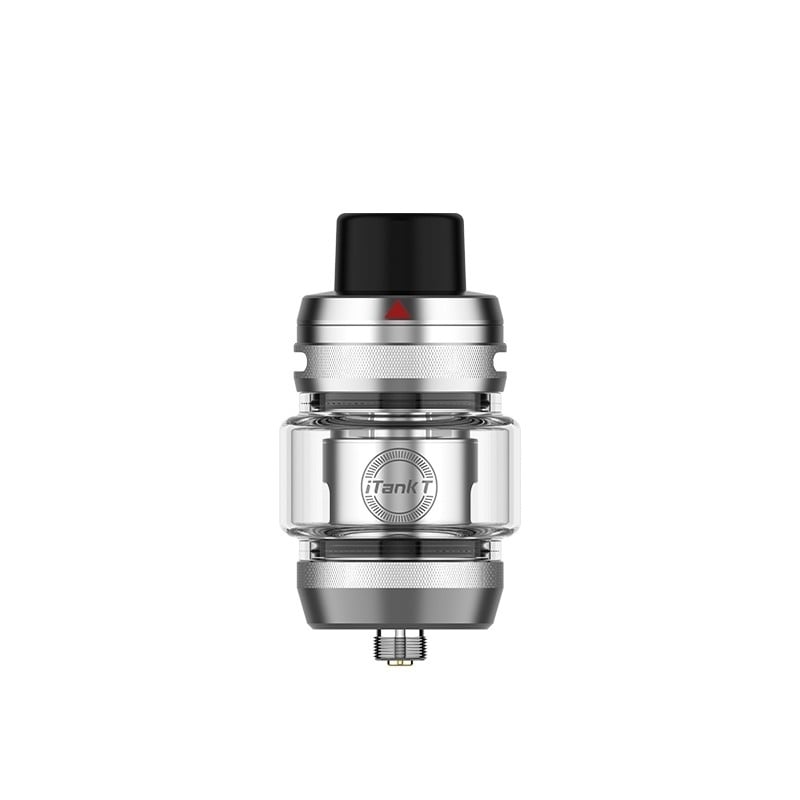
The clearomiser is the upper part of the e-cigarette: the transparent tank that holds the e-liquid, the coil that heats it and the mouthpiece through which you inhale. The atomiser refers to the entire heating system, the pyrex is the glass wall of the tank, and the drip tip is the removable mouthpiece.
These four words refer to different things, and confusion can be costly when ordering a spare part. This article puts the terminology in order, explains the purpose of each component, and clarifies what needs replacing when a part breaks or vaping performance deteriorates.
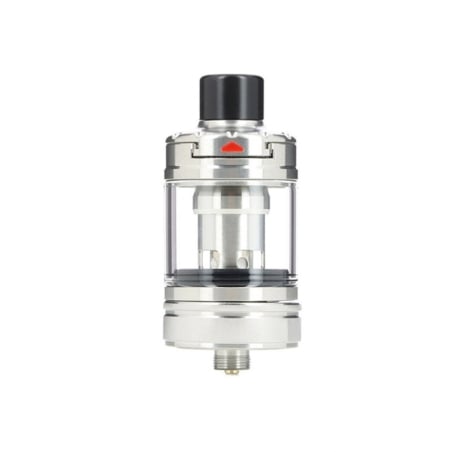
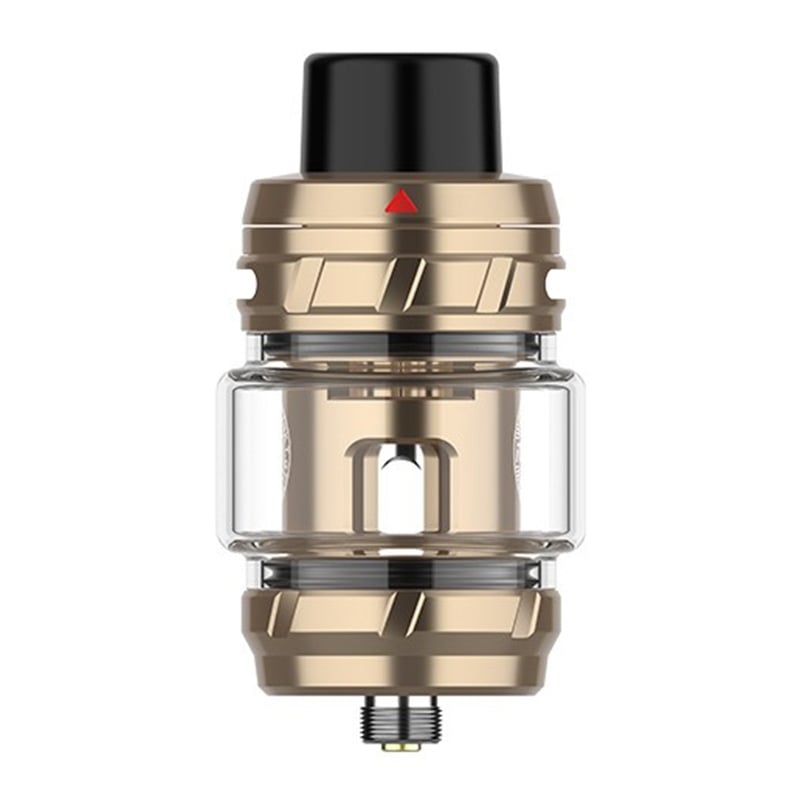
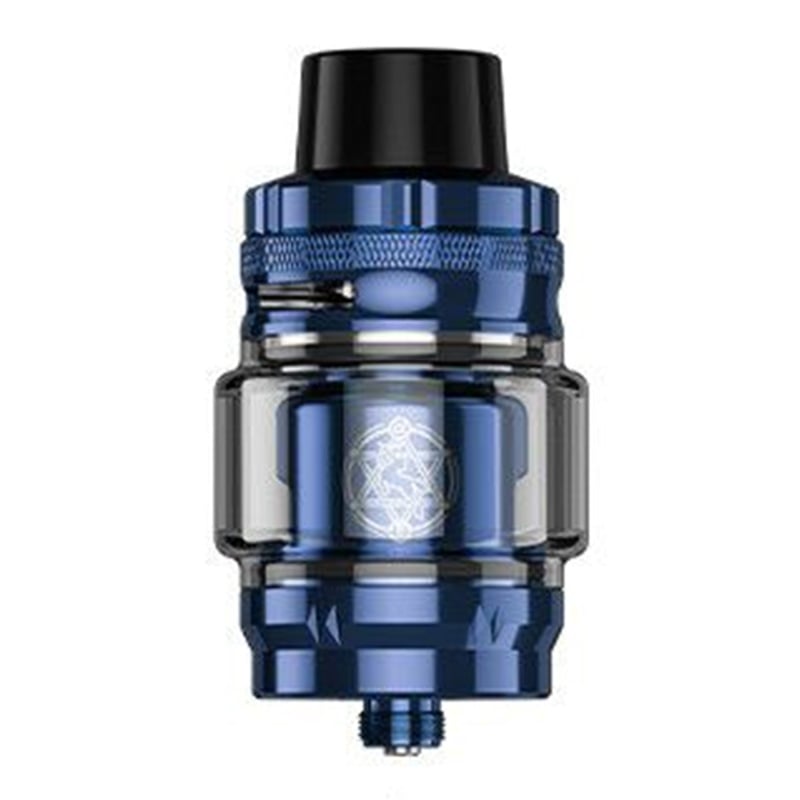
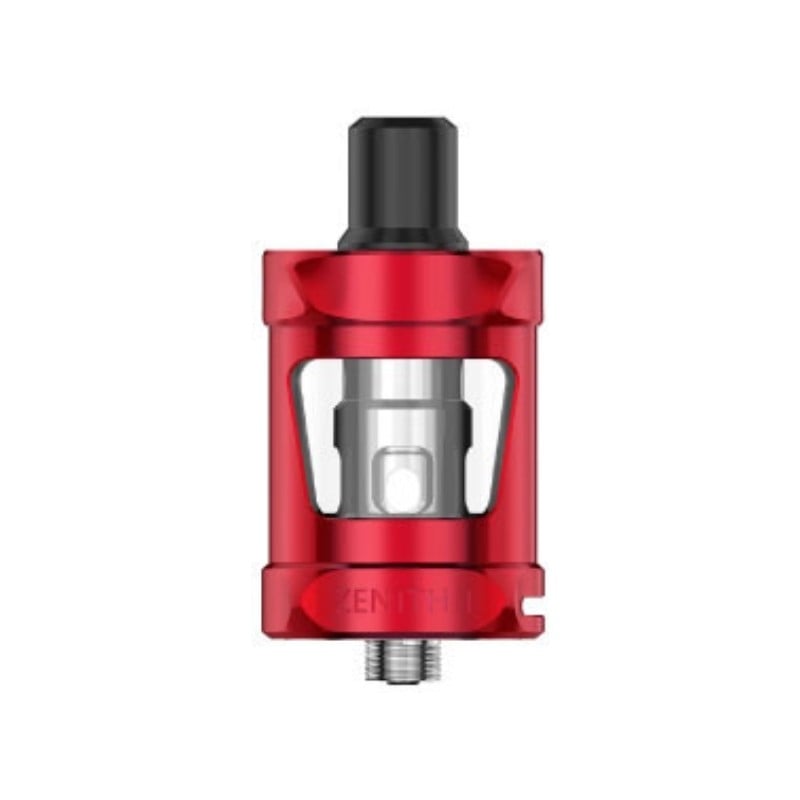
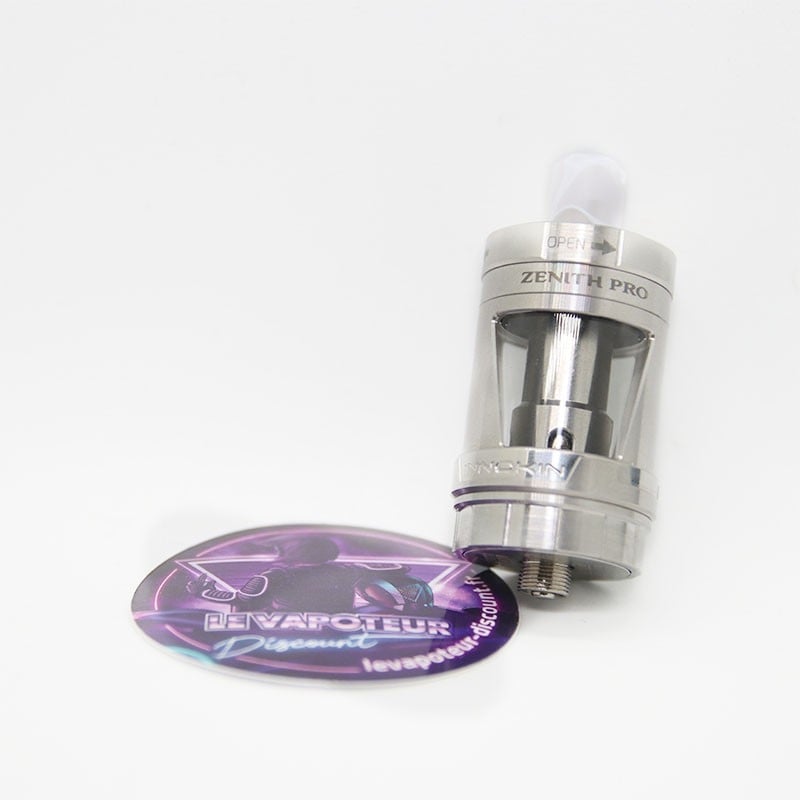
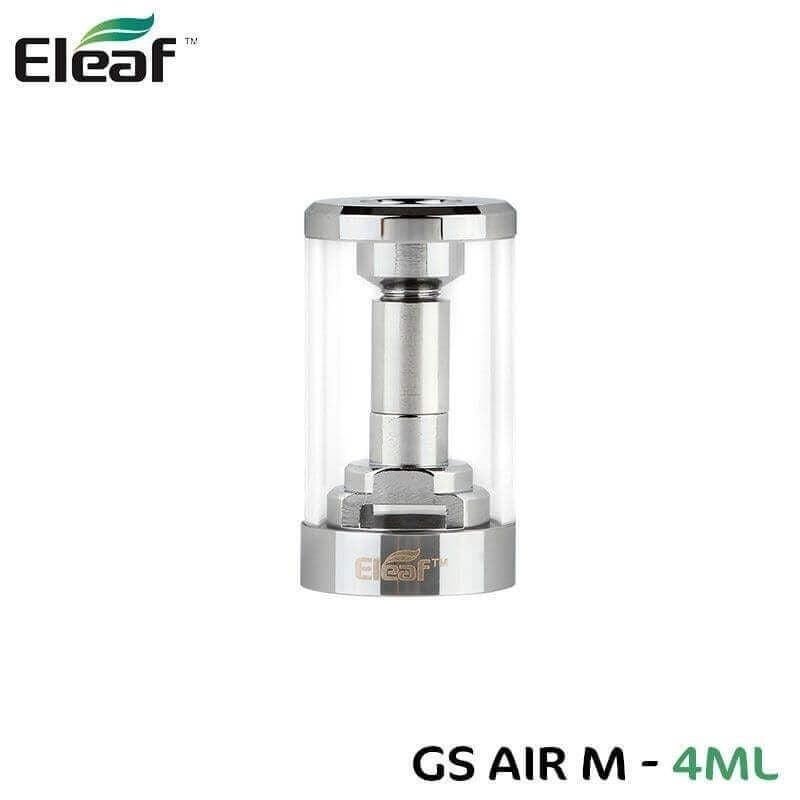
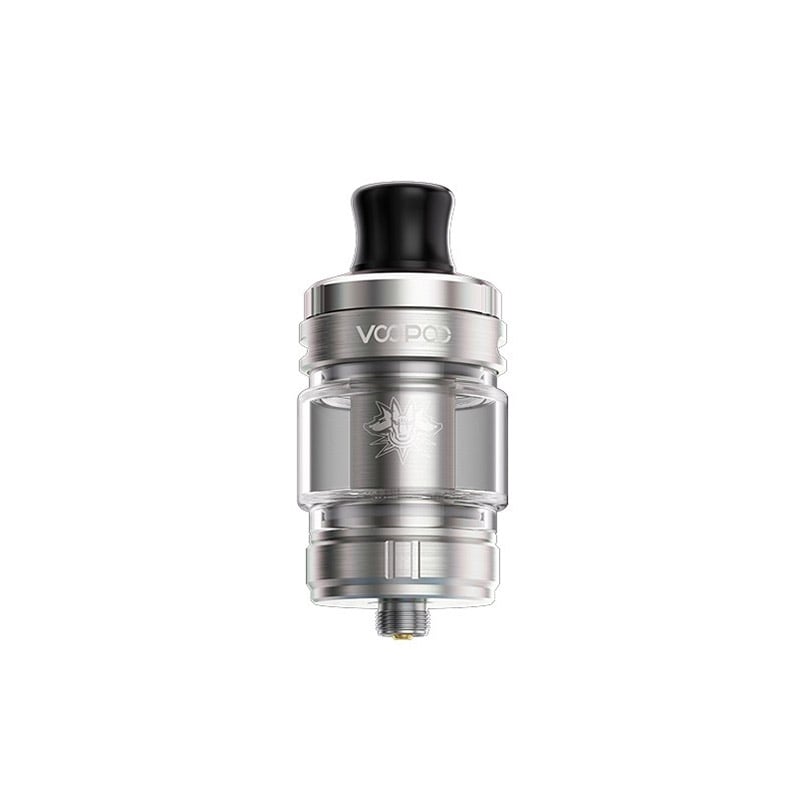
A clearomiser screws onto the battery and combines three functions: holding the e-liquid, heating it and delivering it to the mouth. The word comes from clear, because its transparent wall lets you see the remaining level. This is the historical difference from older opaque cartomisers.
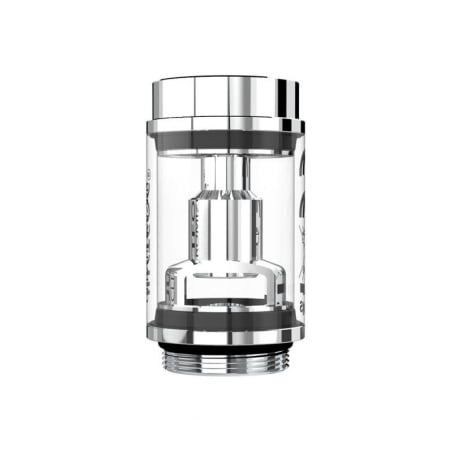
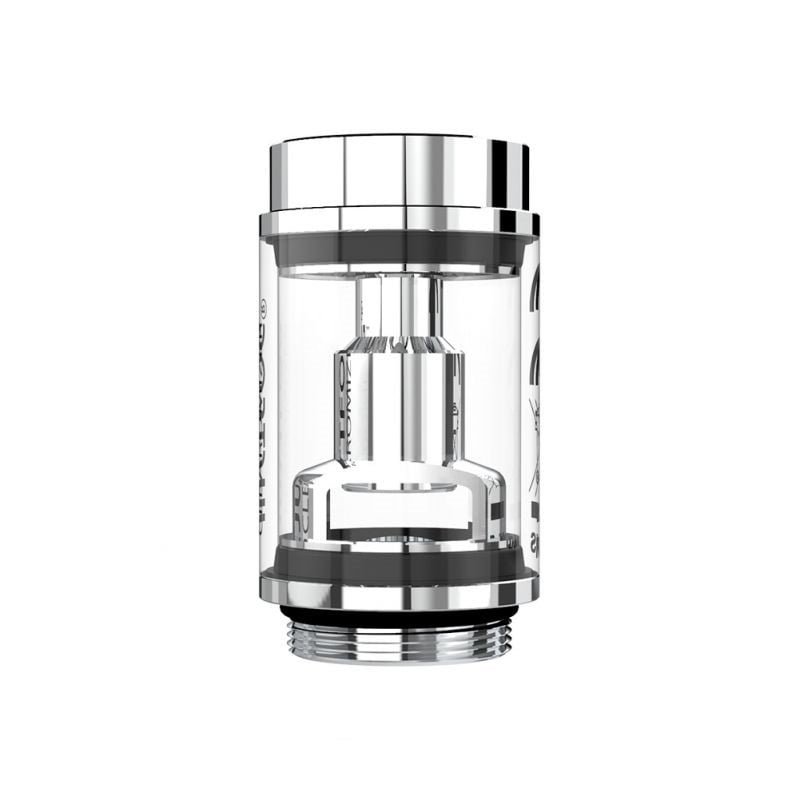
What you buy under this name is the assembled unit: the metal body, the pyrex, the base that holds the coil, the airflow ring and the drip tip. The coil is a consumable part and is sold separately.
There are three verifiable technical criteria when choosing a clearomiser: capacity in millilitres, the type of draw it allows, and the coil family it accepts. The last point is the most important: it determines running costs and the long-term availability of parts.
Atomiser refers to anything that turns a liquid into an aerosol. It is the category, not the product. A clearomiser is an atomiser; a dripper, which has no tank and is fed drop by drop, is another; and a rebuildable atomiser, in which you fit your own resistance wire and cotton, is a third.
In everyday shop use, atomiser is often used as a synonym for clearomiser. This is not incorrect, just broader. The distinction mainly matters when looking for a part: a clearomiser pyrex will not fit a dripper, which does not have one.
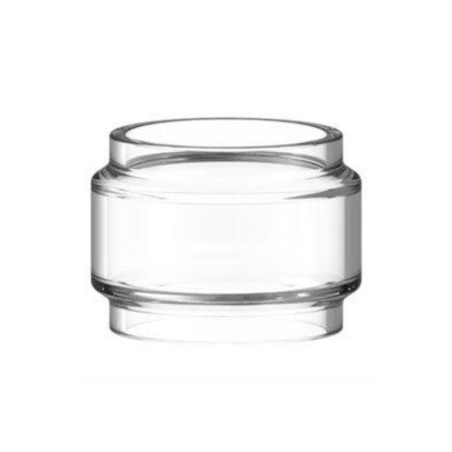
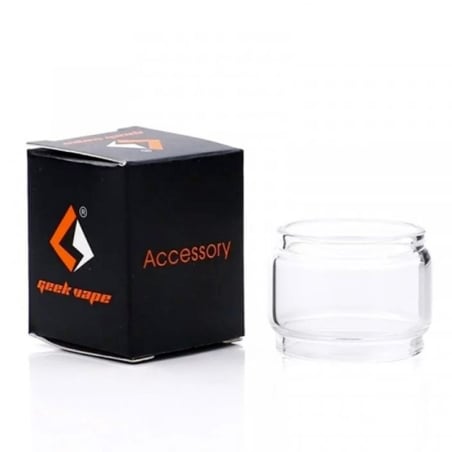
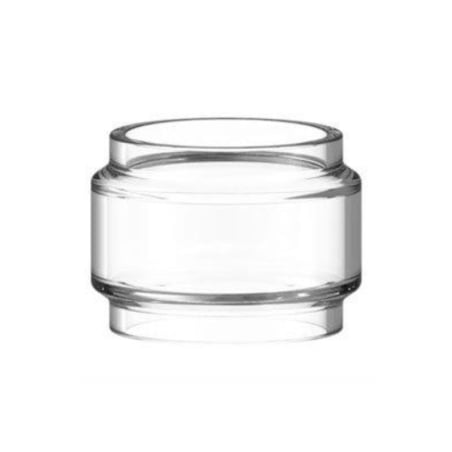
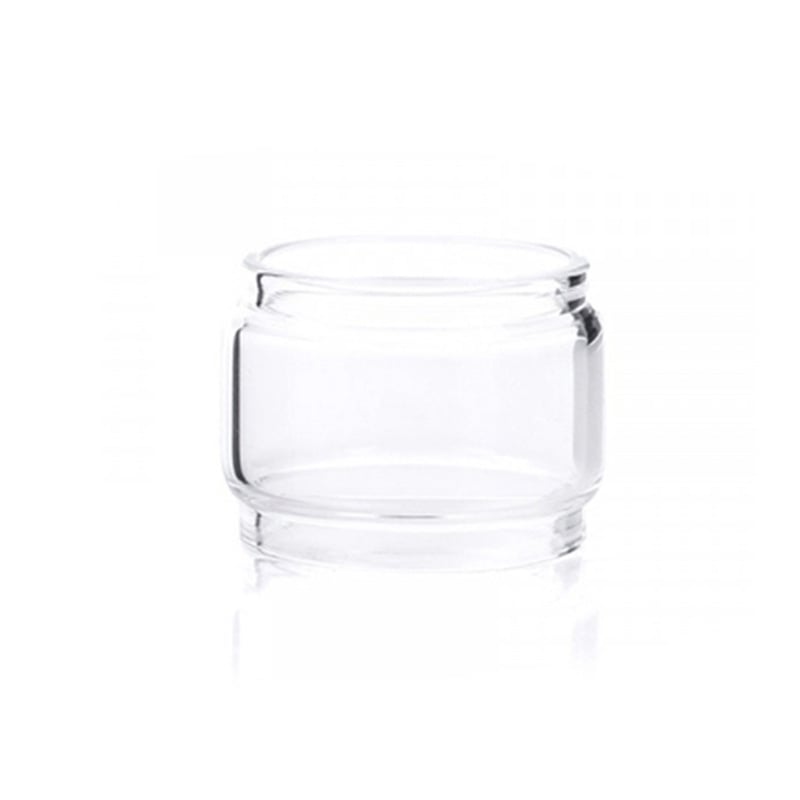
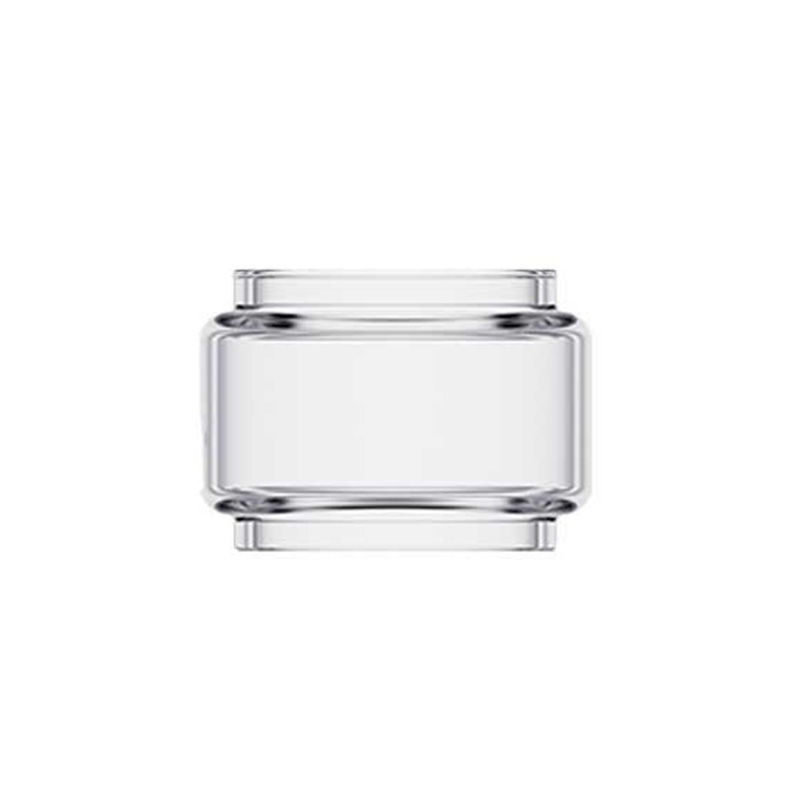
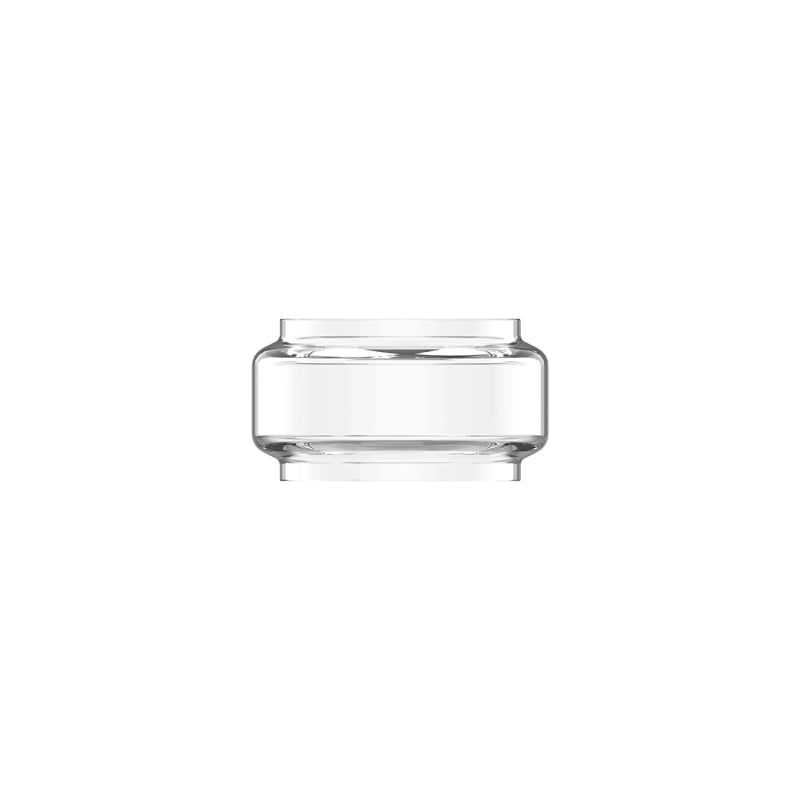
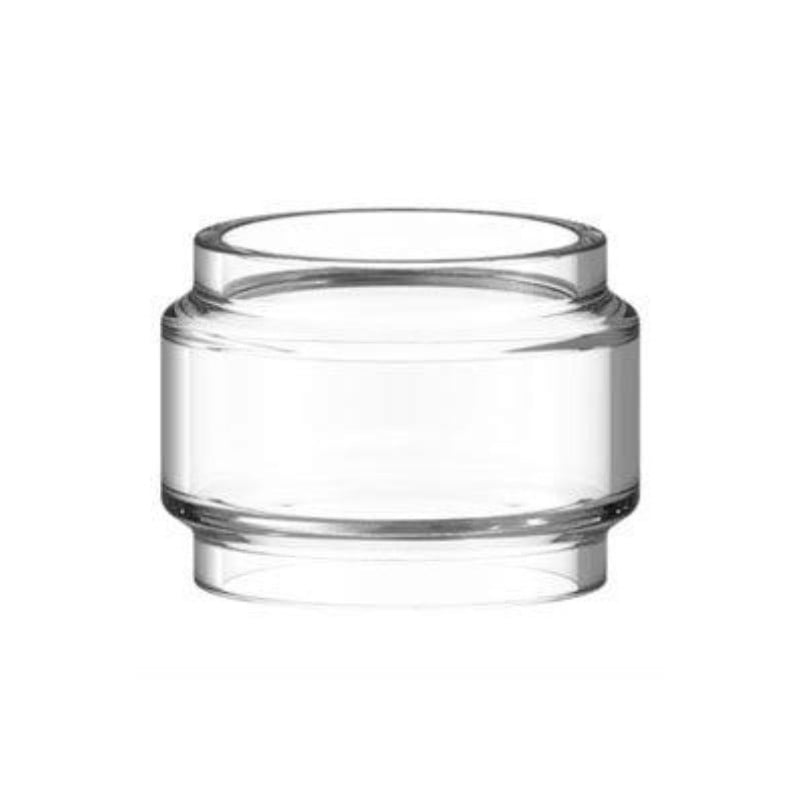
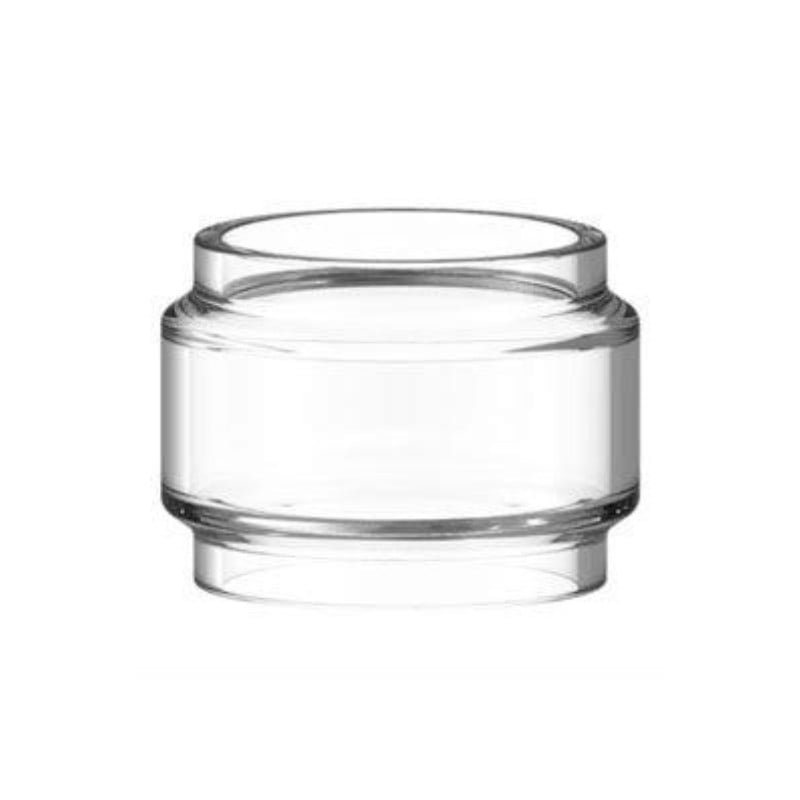
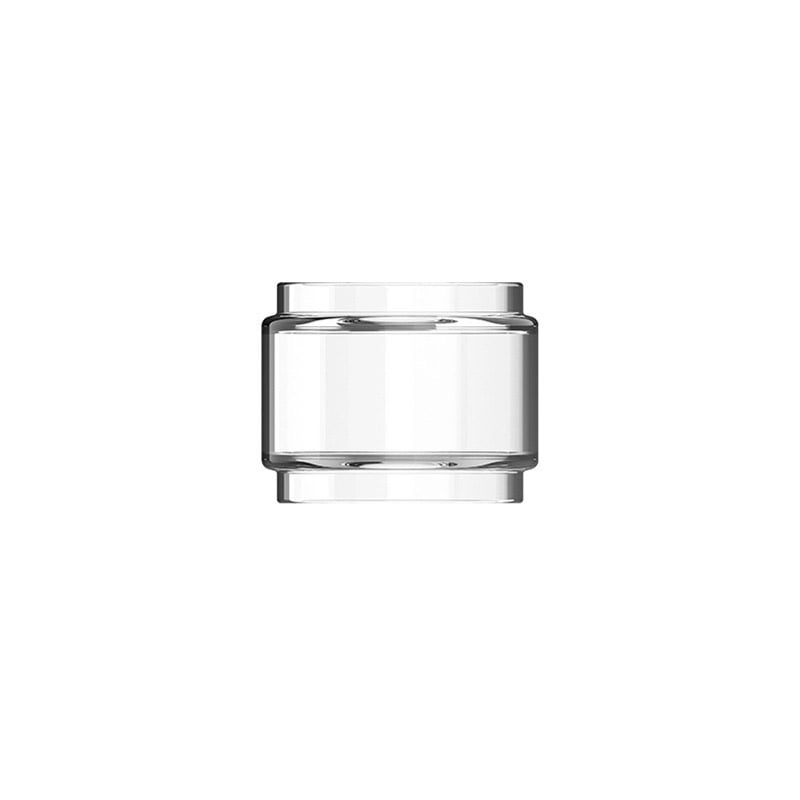
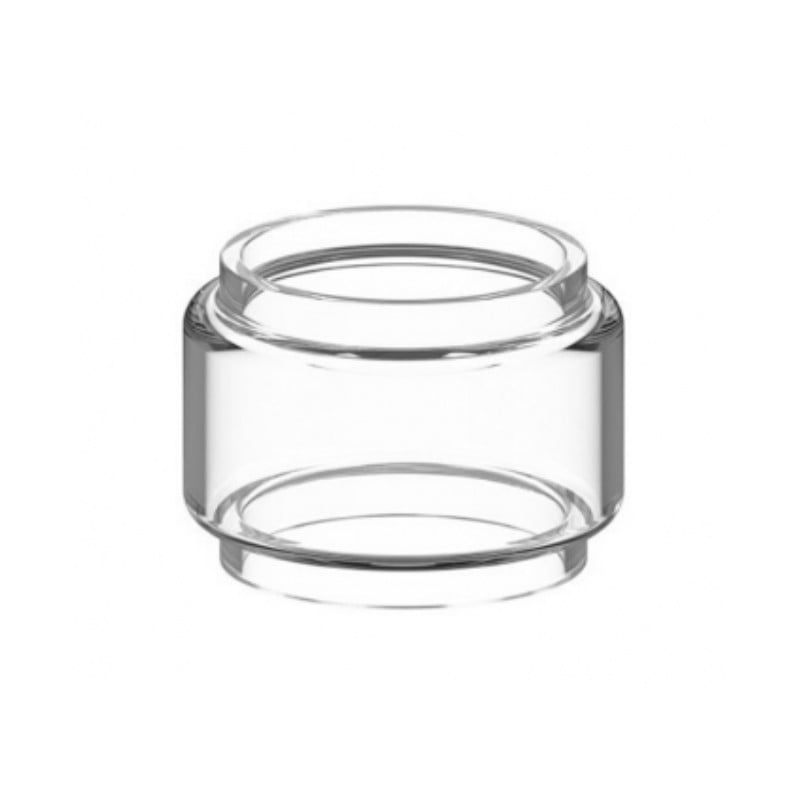
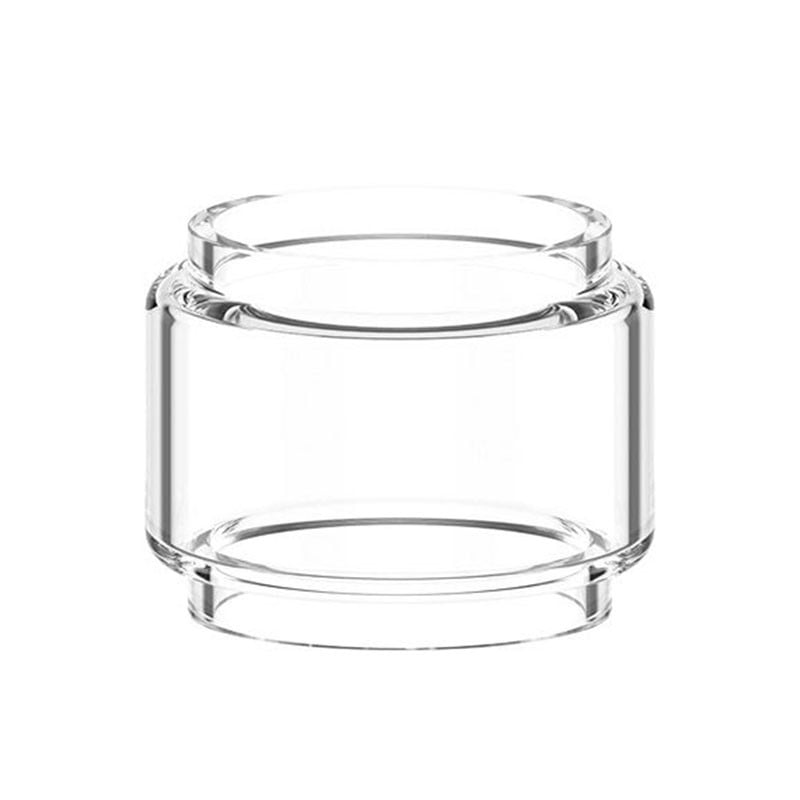
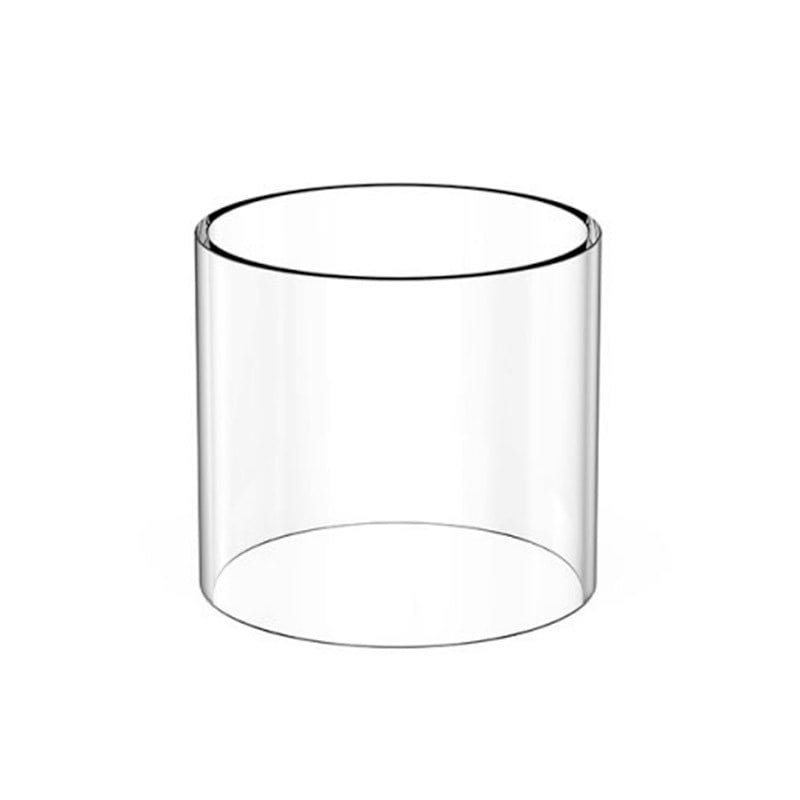
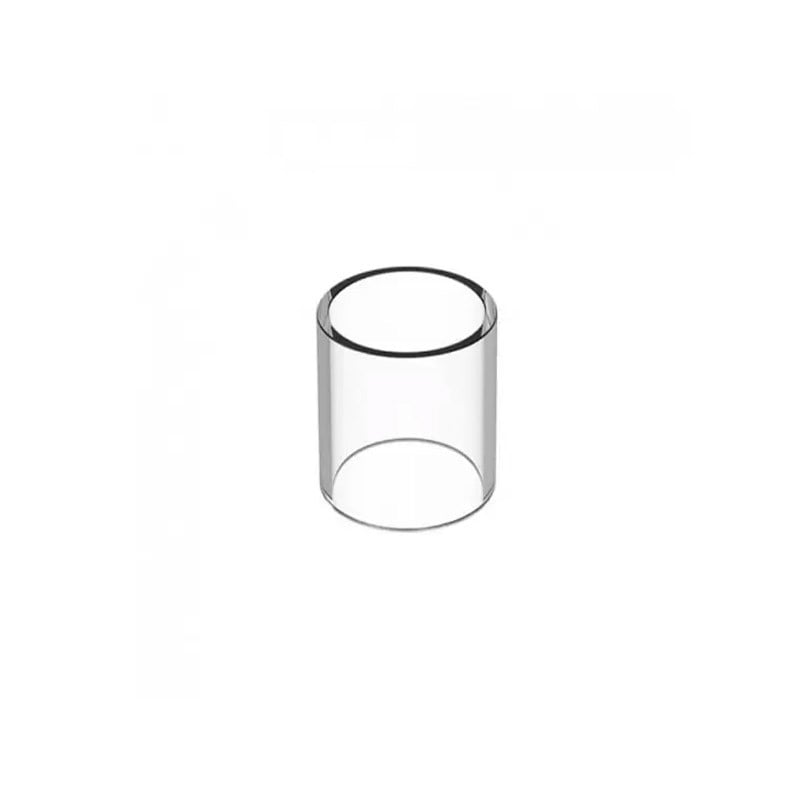
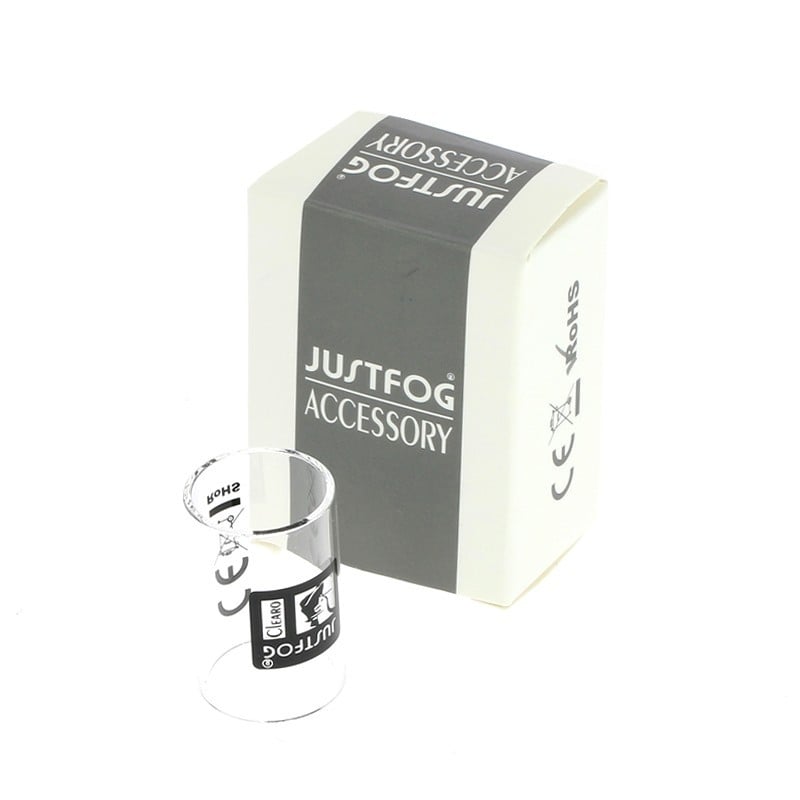
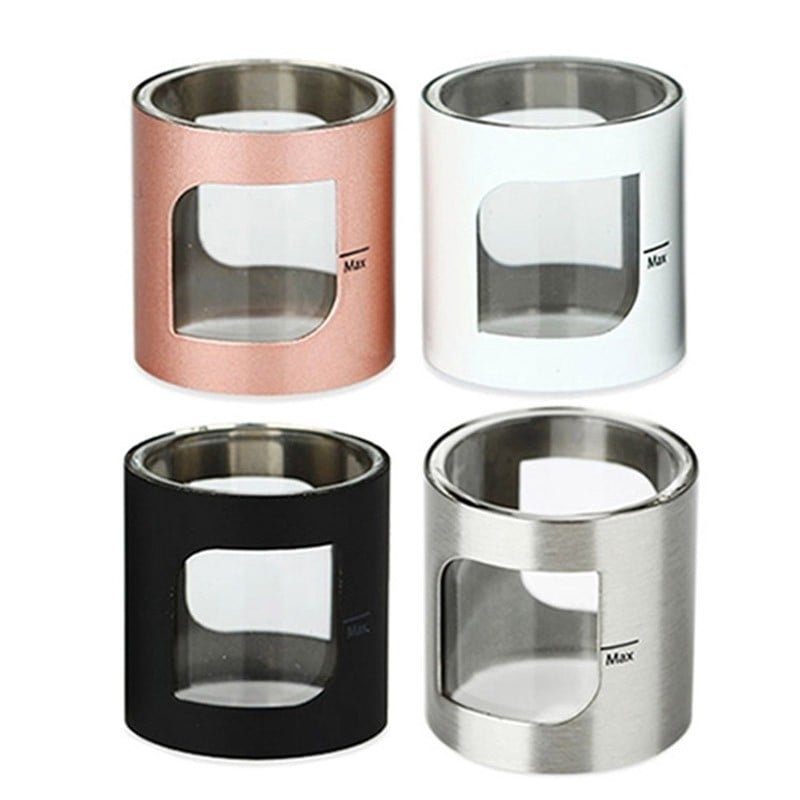
The pyrex is the glass tube that forms the tank wall. It is the most fragile part of the assembly: a drop onto tiles is enough. The good news is that it can be replaced on its own, without changing the clearomiser.
Two precautions when ordering. First, a pyrex is specific to a model: a Zeus pyrex will not fit a Zenith. Second, the same clearomiser often comes in several capacities, with a straight glass and a curved, bulb glass, which increases capacity without changing the diameter. Check the capacity shown on the product page before confirming.
A worn O-ring causes the same symptoms as cracked pyrex: seepage at the base and e-liquid in the battery. Replacement pyrex tanks are generally supplied with their seals.
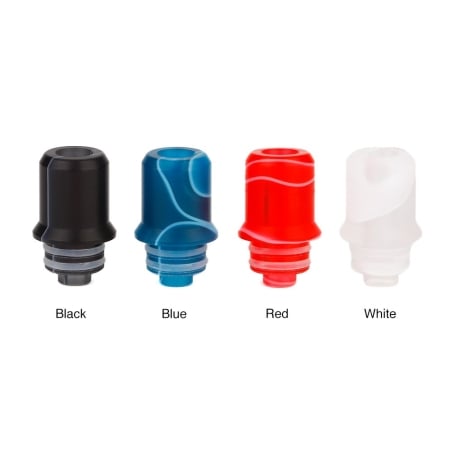
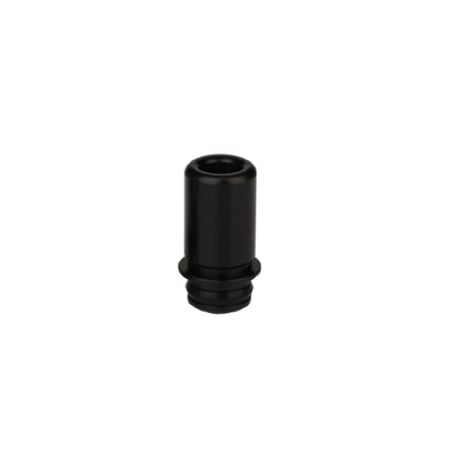
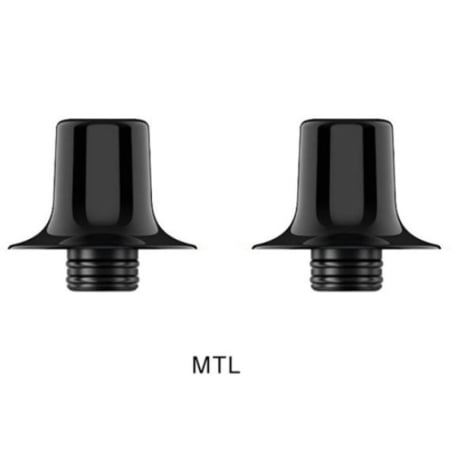
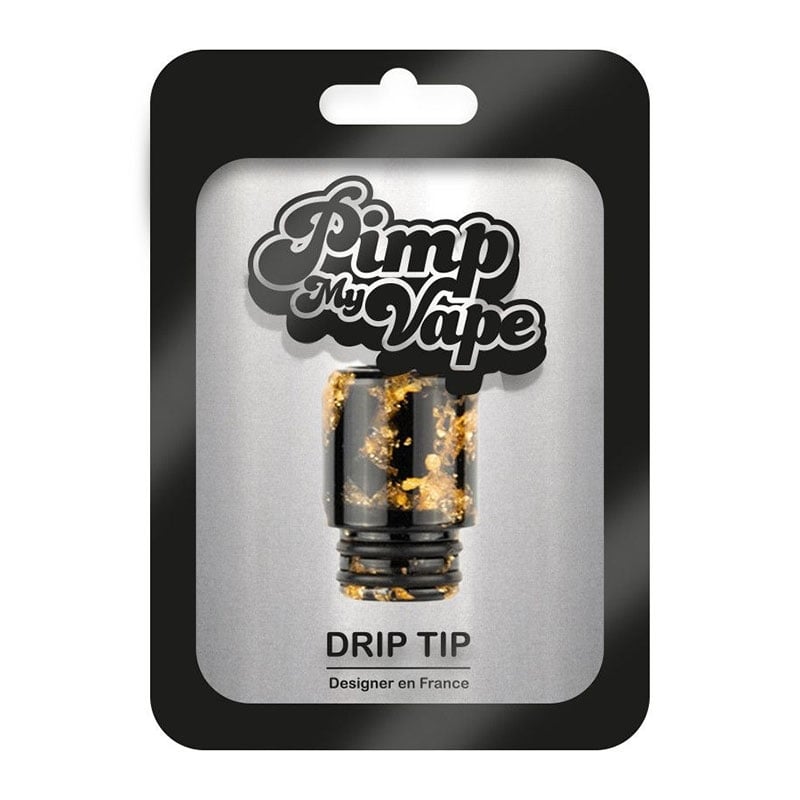
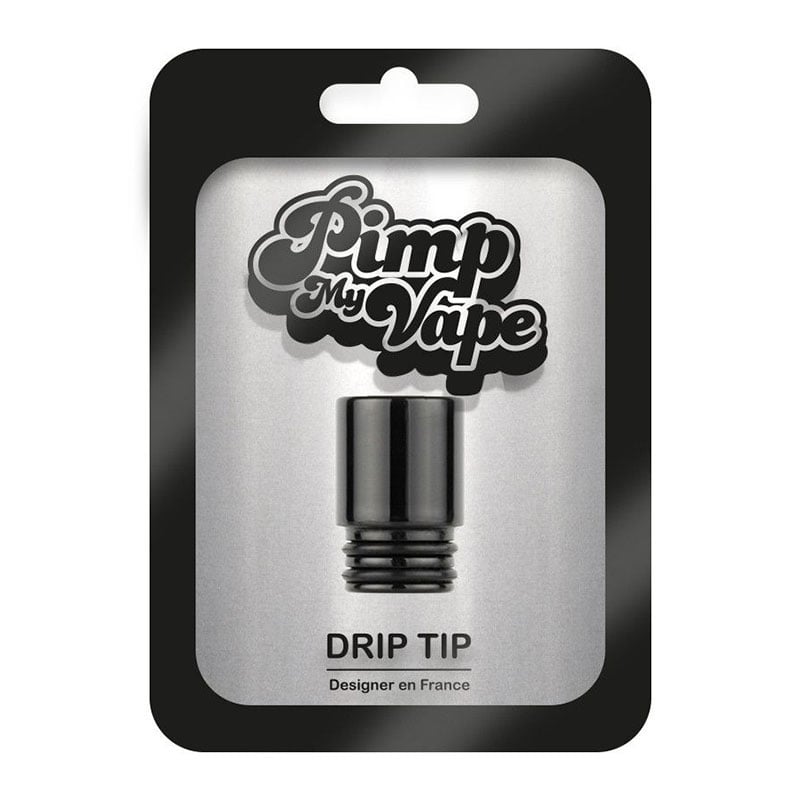
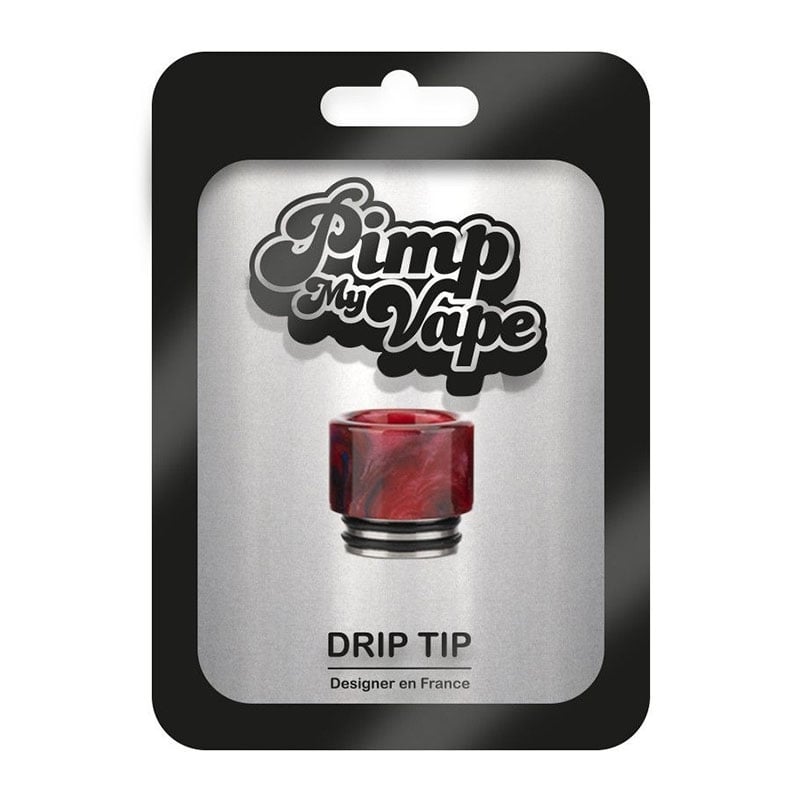
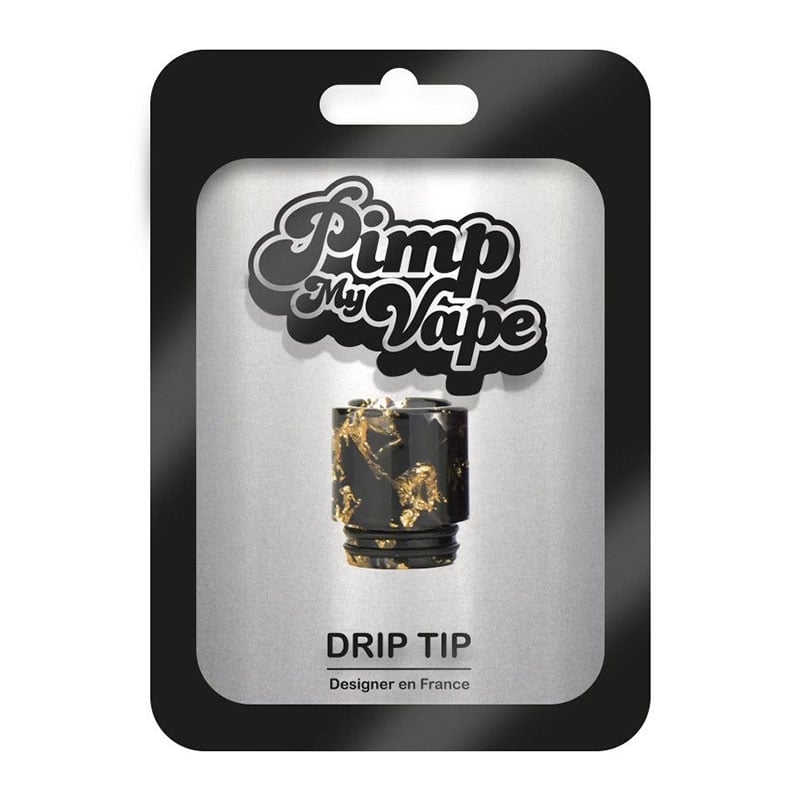
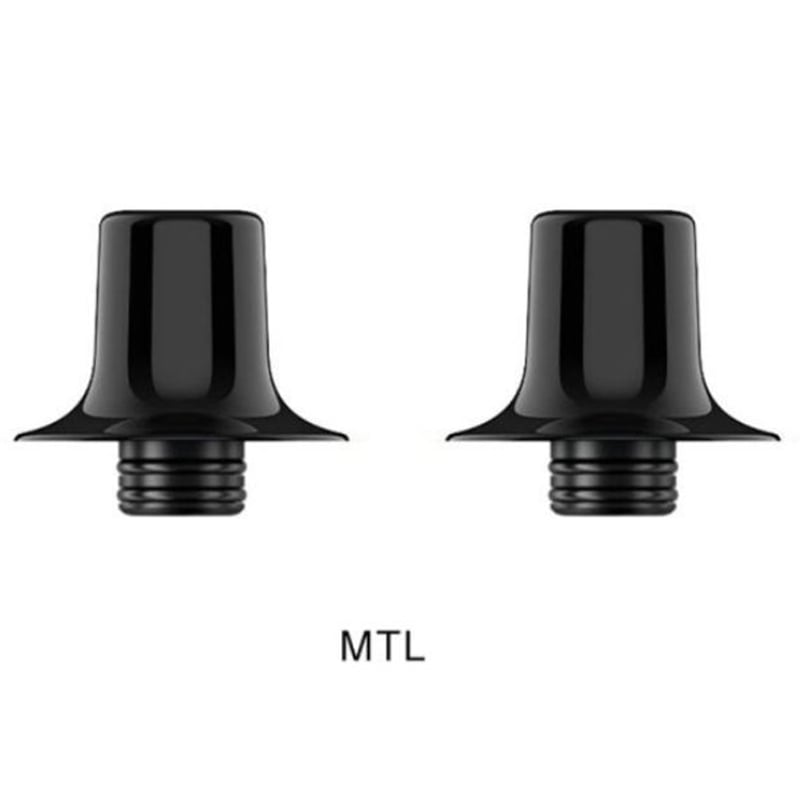
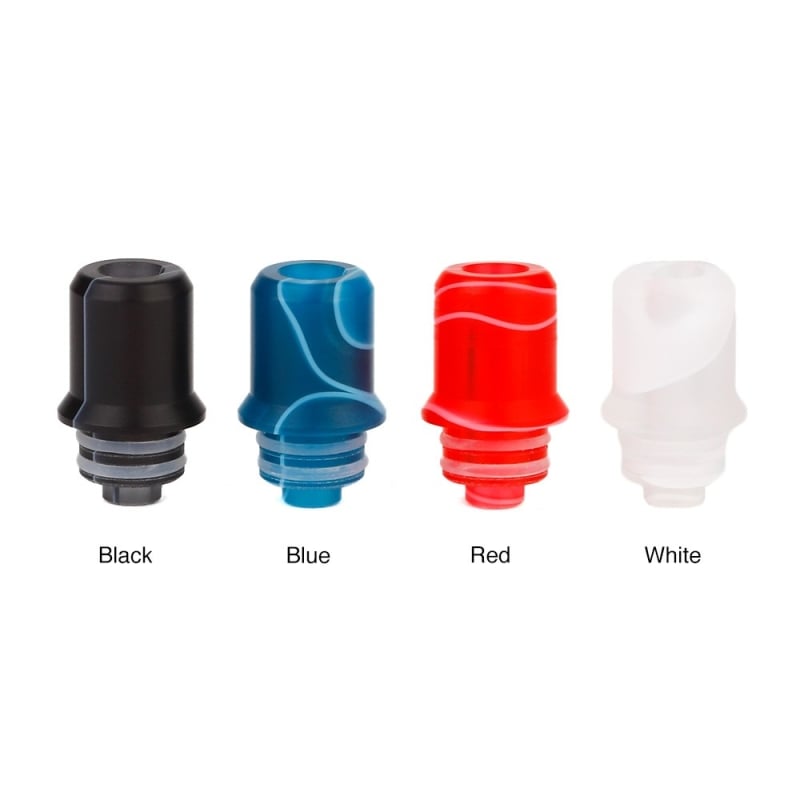
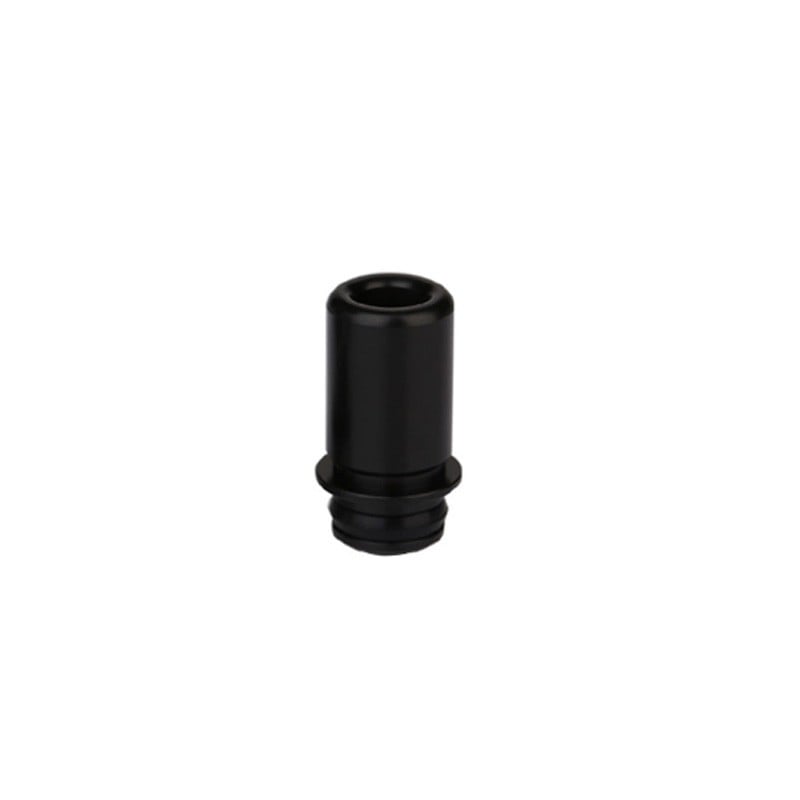
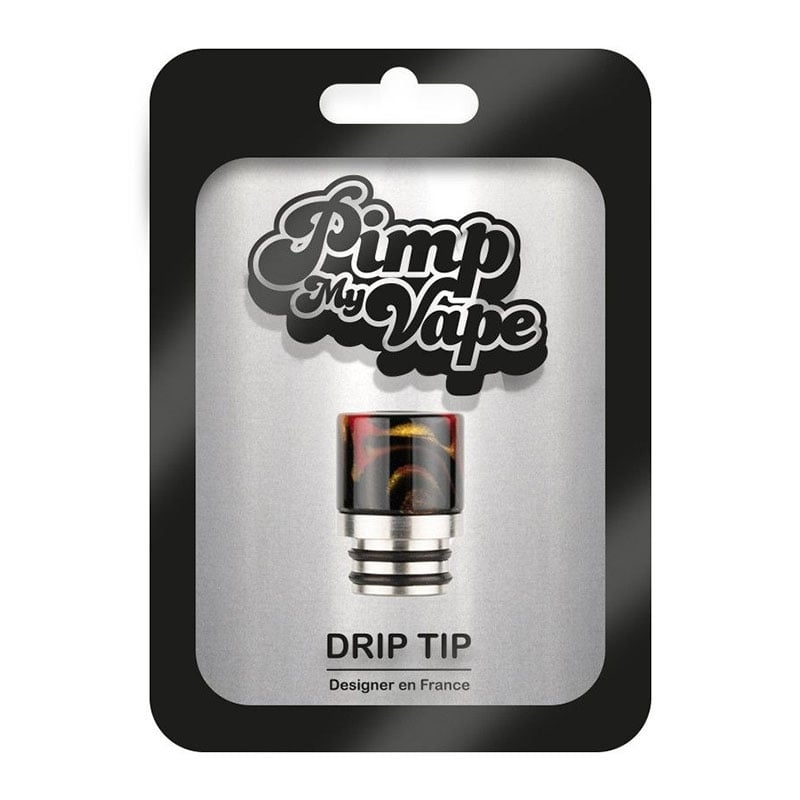
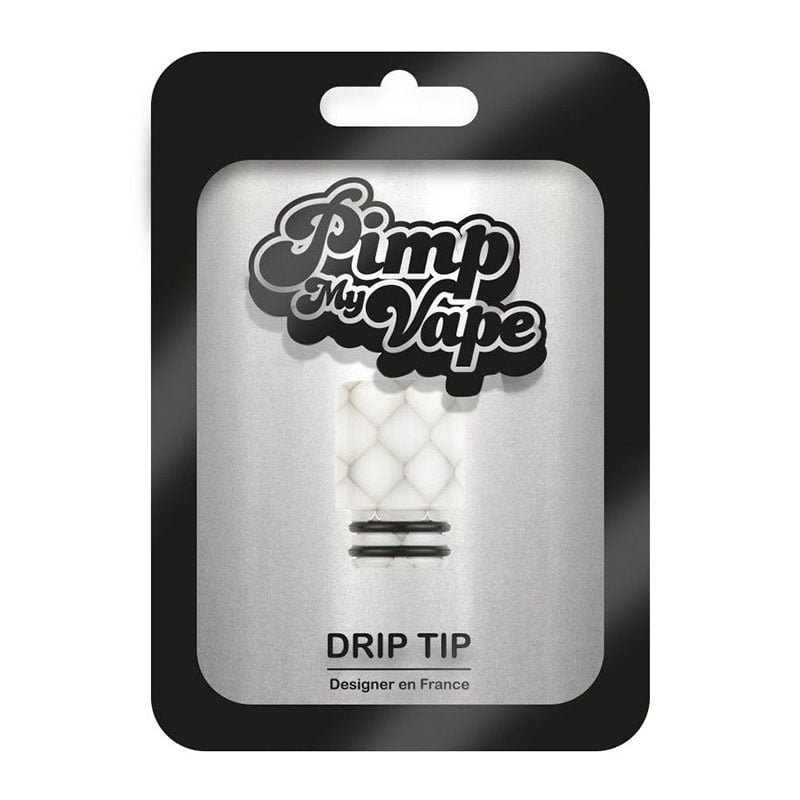
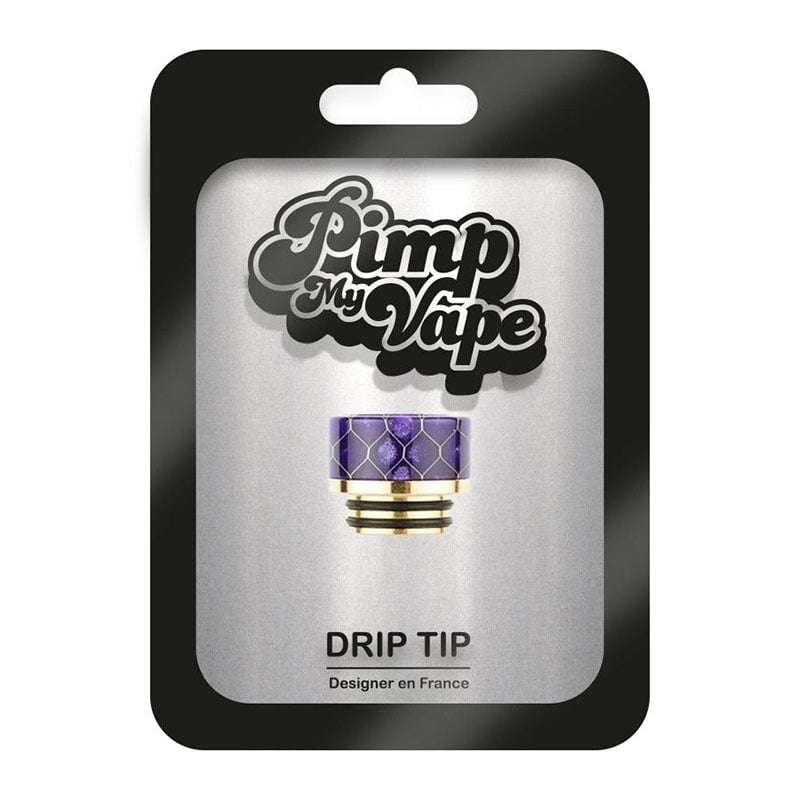
The drip tip is the mouthpiece through which you inhale. On most clearomisers it is removable, allowing you to replace it, clean it separately or change its shape.
There are two main standards on the market:
| Format | Inner diameter | Typical use |
|---|---|---|
| 510 | around 8.5 mm | tight, cigarette-style draw |
| 810 | around 12.5 mm | airy draw, large vapour production |
Adaptors are available for fitting a 510 mouthpiece onto an 810 base. Take care not to confuse this 510 with the 510 thread that connects the clearomiser to the battery: the same number, but two different parts.
Some models use a proprietary, non-interchangeable mouthpiece. Others, such as filter pods, accept cotton or paper filters that need replacing regularly.
View drip tips and mouthpieces
The coil is the small cylinder that fits into the base of the clearomiser. It contains a heating wire and cotton that absorbs e-liquid. It is the part that wears out, and it is specific to each clearomiser family.
Its value, expressed in ohms, determines the type of vape: above 1 ohm for a tight draw at low power, and below this for an airy draw at high power. Details are available in which value to choose for my coil, with the corresponding setting in e-cigarette power.
For its lifespan and signs of wear, see how long does a coil last and the signs of a faulty coil.
The airflow ring is located at the bottom of the clearomiser. By turning it, you open or close slots that let air in.
New vapers who smoke usually prefer a tight draw, because the action feels familiar. The clearomiser choice should reflect this: a model designed for an airy draw will remain unpleasant, even with the ring fully closed.
Most recent clearomisers are filled from the top, while older models are filled from the bottom. In both cases, the rule is the same: never pour e-liquid into the central chimney, the tube through which the air passes. The e-liquid would run directly into the battery.
After fitting a new coil, leave the cotton to soak for several minutes before the first puff, otherwise it will burn. The complete method is described in how to fill an e-cigarette.
A leak almost always comes from one of these six causes:
If the problem persists after these checks, the article on faults and error messages lists rarer cases.
A clearomiser can be completely dismantled and washed, except for the coil. The metal parts and pyrex can be rinsed in lukewarm water, dried, and reassembled once dry. The coil itself cannot be cleaned effectively: its cotton is saturated and it must be replaced entirely every 3 weeks at most.
Cleaning when changing the coil or flavour is sufficient in most cases. The procedure is detailed in how to clean your e-cigarette.
[1] Ministry of Social Affairs and Health. Order of 19 May 2016 concerning nicotine-containing vaping products. Official Journal of the French Republic No. 0116 of 20 May 2016; Articles 1 to 3. In force as of 5 October 2026.
[2] French Agency for Food, Environmental and Occupational Health & Safety. Vaping products. Anses, 4 February 2026. Nearly 200,000 products declared since 2016 and more than 2,200 substances listed as ingredients.
[3] Public Health Code, Article L3513-5-1. Légifrance, version in force since 26 February 2025.
[4] Public Health Code, Articles L3513-1 to L3513-6. Légifrance, version in force as of 5 October 2026. Definition of vaping products and prohibition on sales to minors.
[5] Directorate of Legal and Administrative Information. Ban on vaping (electronic cigarette). Service-Public.fr, page checked on 20 July 2026.
This article is for information only and does not replace the advice of a healthcare professional. Vaping products are prohibited for minors and are not intended for non-smokers. Nicotine is highly addictive. For support to stop smoking: Tabac info service, 39 89.
Read the summary with
The article opens in the assistant of your choice, which summarises it for you.
Related products


Add a comment