Do not vape if you do not smoke | The sale of vaping products is prohibited to those under 18 years of age | Vaping helps you live without tobacco and without nicotine dependence
DIY calculator
The DIY calculator is a tool that lets you make your own e-liquid for your electronic cigarette, quickly and easily. To help vapers get the right mix, the DIY tool calculates the volume of base liquid, the number of boosters and the dose of concentrated flavouring needed. Find out how the DIY calculator works and the benefits of making your own e-liquid.
Your recipe
Base
/
ml
Nicotine boosters
ml
Flavouring
ml
Base + Booster
___
ml
Minimum bottle capacity
___
ml
Total volume
___ ml
Steeping :
You can adjust these volumes: the total and products to order will update accordingly.
Calculations based on the percentages recommended by the manufacturer.
What you need to order
Your preparation
— ml
of ready-to-vape e-liquid
Pack contents
— ml
including
ml
extra for your next mixes
Steeping
—
before it reaches its best
Bottles are sold whole: what you buy may exceed the amount needed for your preparation. The excess can be kept for your next mixes.
DIY Selection
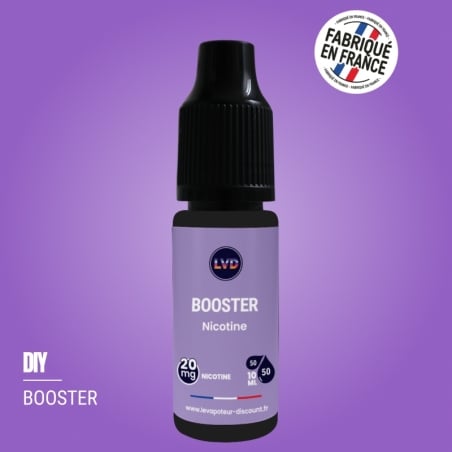
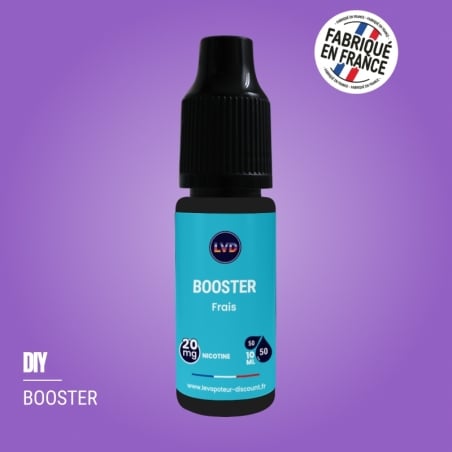
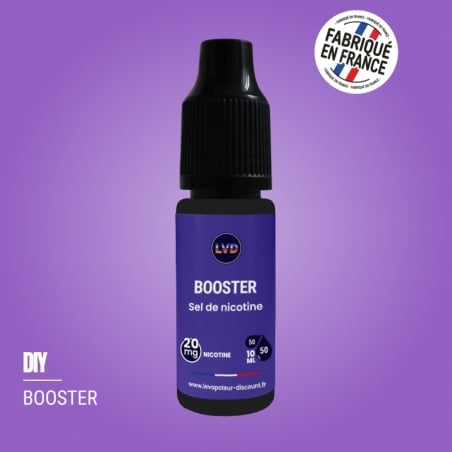
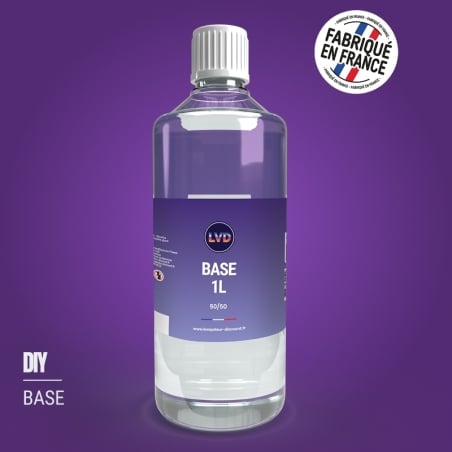
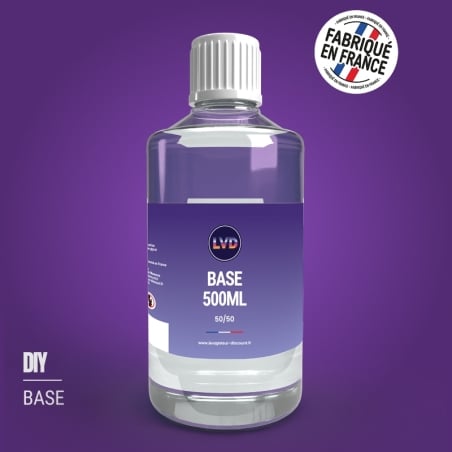
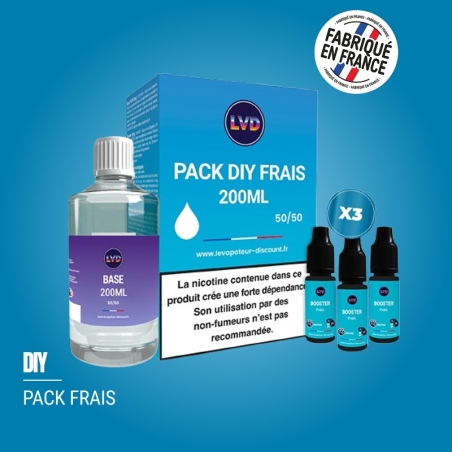
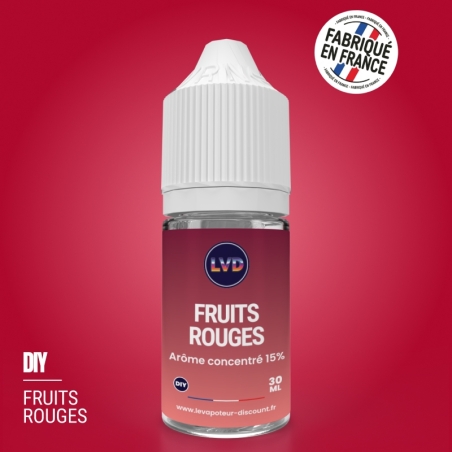
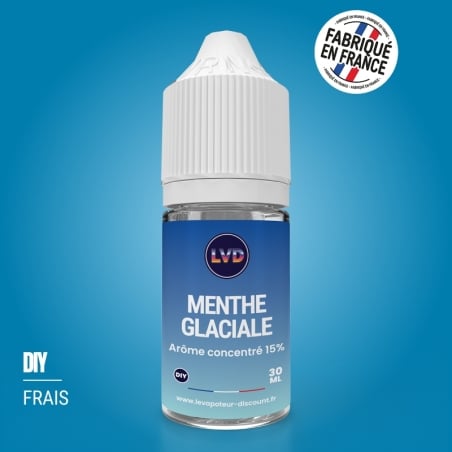
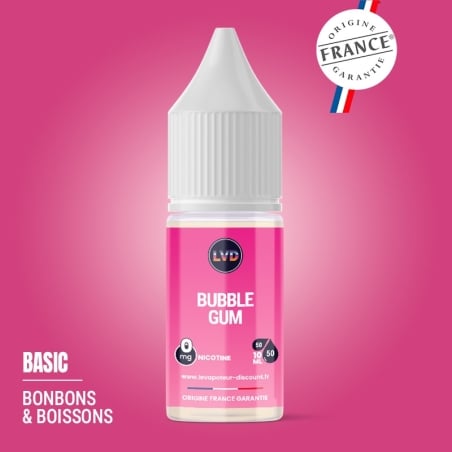
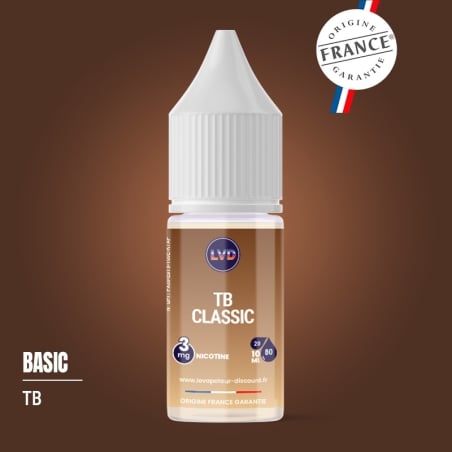
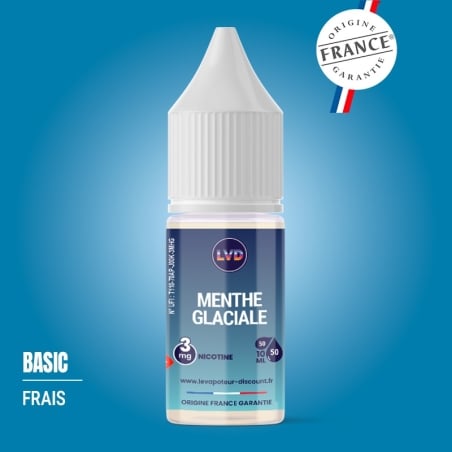
Our Le Vapoteur Discount flavour concentrates
How does the DIY e-liquid calculator work?
The DIY calculator lets you easily estimate the quantities needed to make a homemade e-liquid. With this calculation tool, it becomes easier to prepare a mix suited to your vaping habits, while keeping a consistent balance between neutral base, concentrated flavouring and nicotine.
The DIY calculator works in several steps:
- choose your flavouring from the list;
- enter the total volume of liquid you want;
- select the ratio of propylene glycol to vegetable glycerine;
- enter the nicotine strength you want.
DIY calculation gives you a recipe that is easier to prepare, without having to work out the nicotine or booster calculations yourself.
Above all, the DIY calculator makes homemade liquids simpler to make.
The tool helps you:
- calculate the exact volume of neutral base;
- know how many boosters to add;
- adjust the flavouring dosage;
- prepare bottles in different sizes;
- avoid calculation errors.
What ingredients do you need to make a DIY e-liquid?
Making a DIY liquid relies on a few essential ingredients. Some are indispensable, while others remain optional depending on your vaping habits and the type of recipe you are after.
The PG/VG neutral base
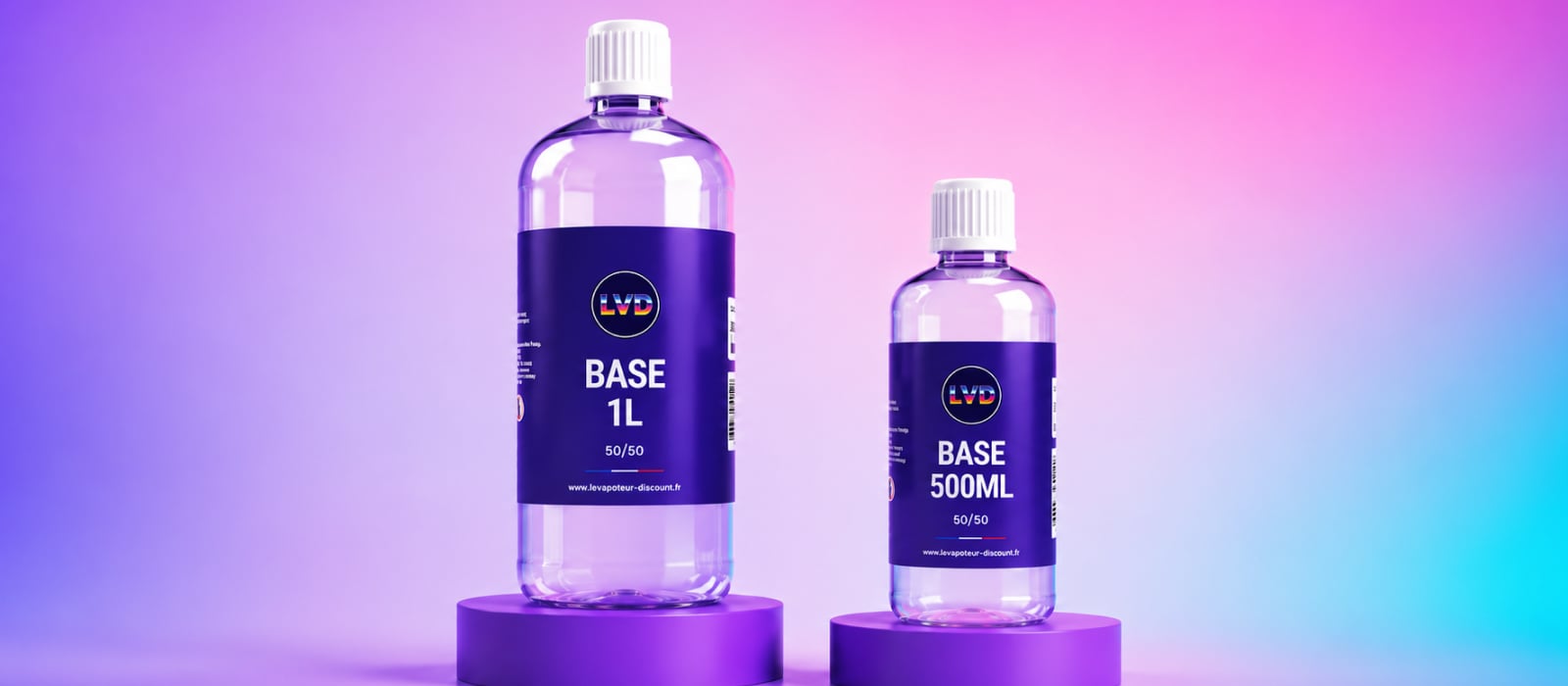
The neutral base is the main component of the liquid. It is made up of propylene glycol and vegetable glycerine, two ingredients used in vaping.
The PG/VG ratio affects several things:
- flavour reproduction;
- the throat hit from the nicotine;
- vapour production;
- how runny the liquid is;
- compatibility with certain electronic cigarettes.
A base rich in propylene glycol generally enhances the flavours and the throat hit. Conversely, a base containing more vegetable glycerine produces denser vapour but may require a slightly higher flavouring dosage.
Entering the right PG/VG ratio in the calculator is therefore important to get a liquid that suits your equipment and your vaping habits.
DIY flavourings and concentrates
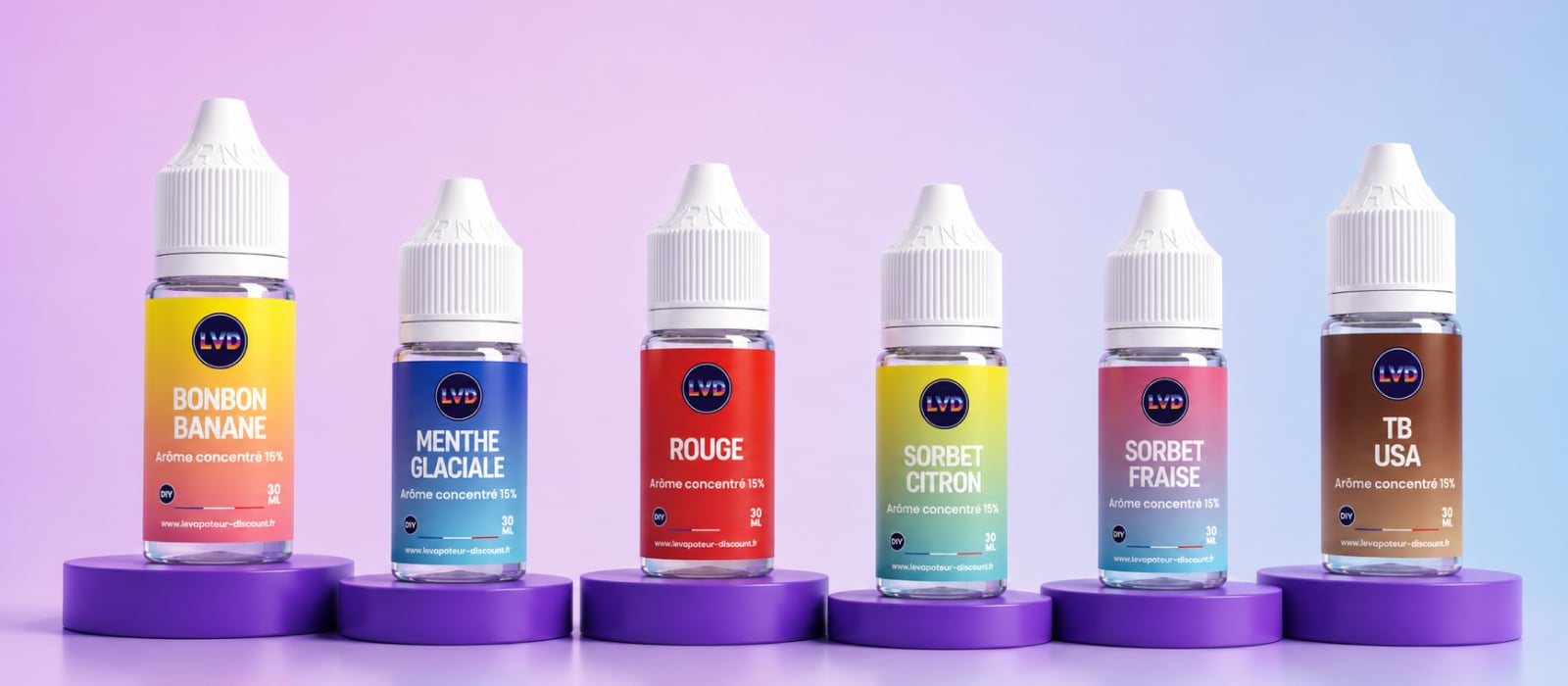
DIY flavourings give the final liquid its taste. Each concentrate has its own recommended dosage, given by the manufacturer.
There are different types of flavourings:
- fruit;
- classic;
- mint;
- dessert;
- drink;
- fresh.
The dosage varies depending on the concentrate used, the PG/VG ratio chosen and sometimes the final volume of the bottle.
DIY nicotine boosters
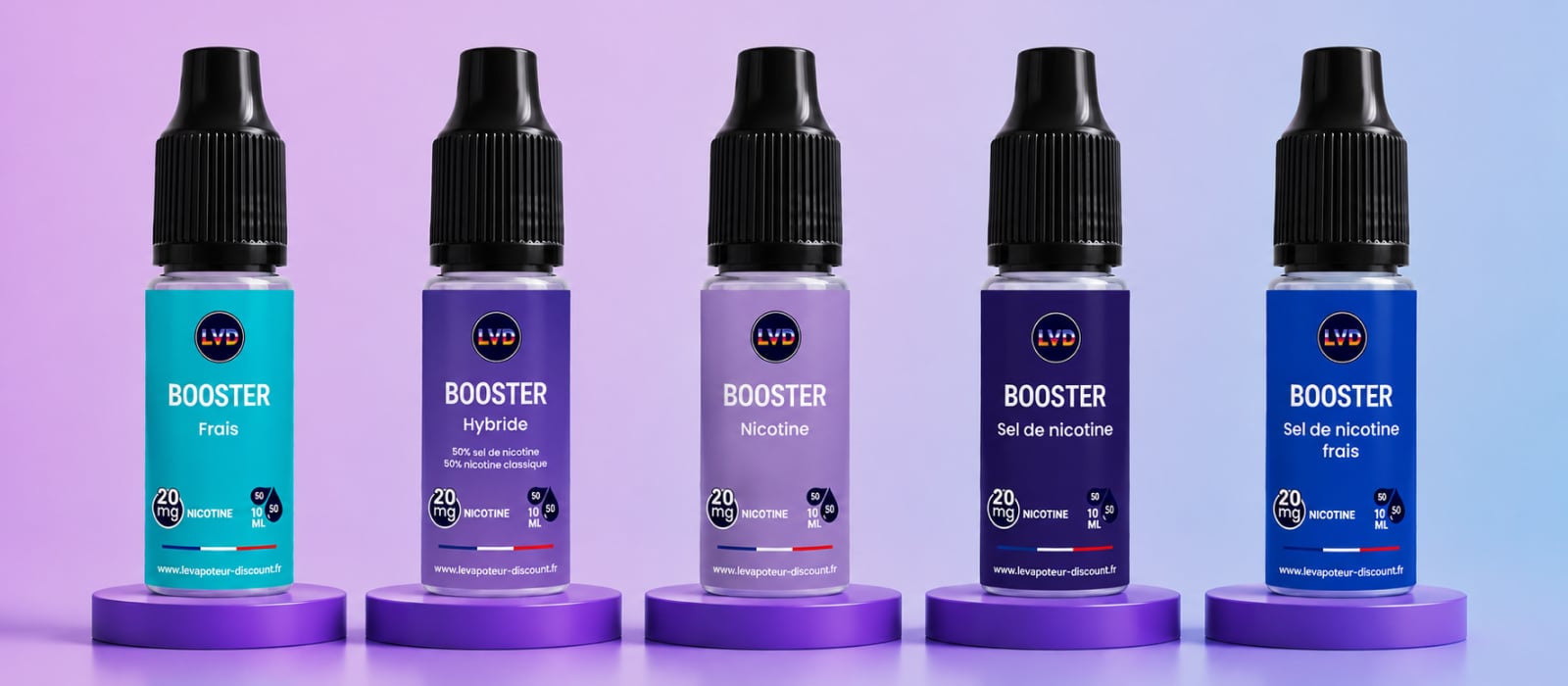
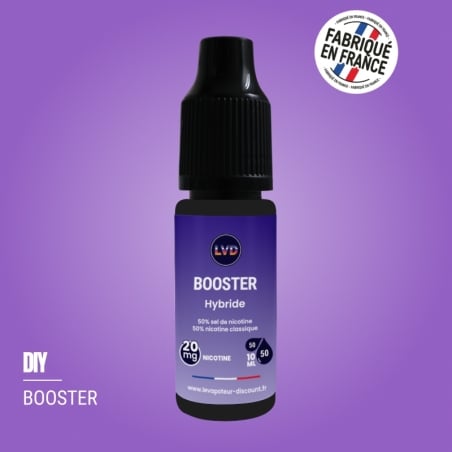
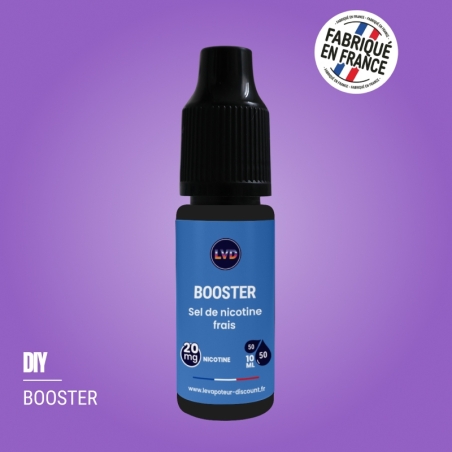
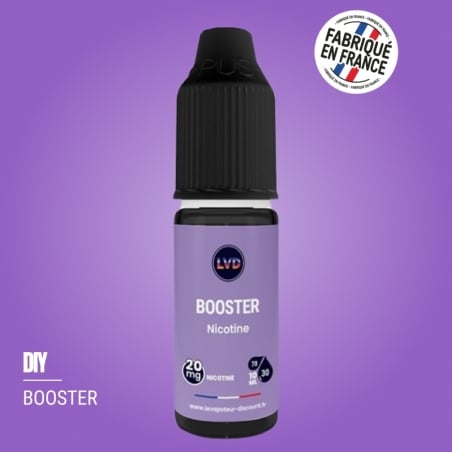
Boosters are used to add nicotine to a DIY preparation. Nicotine boosters generally come in 20 mg/ml of classic nicotine, but you will also find nicotine salt and hybrid nicotine versions, with or without a cooling agent. All these boosters are dosed in the same way as a classic booster.
The DIY calculator lets you work out precisely how many boosters to add based on:
- the total volume;
- the nicotine strength you want;
- the PG/VG composition of the base.
This step helps avoid calculation errors during preparation.
Additives and optional ingredients
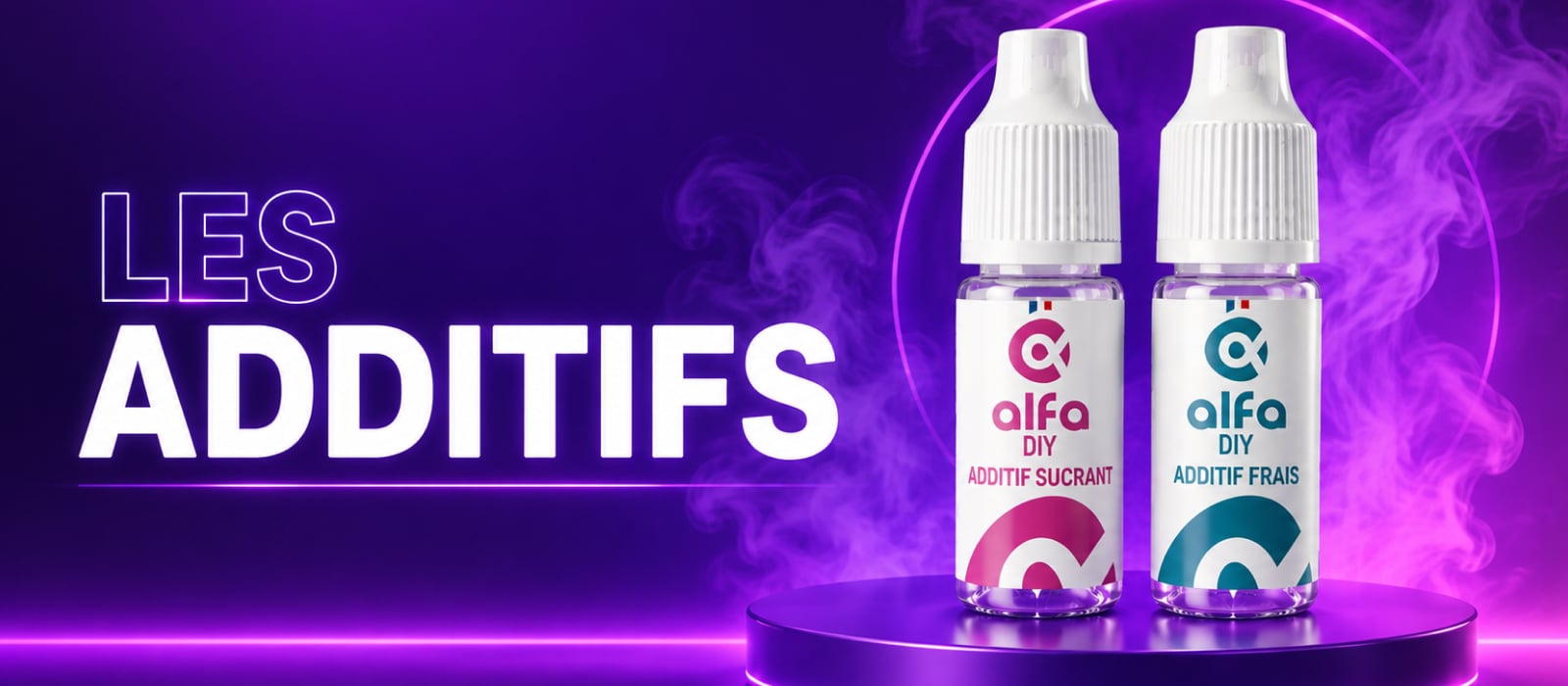
Some additives can be added to a DIY recipe to slightly change the result:
- cooling effect;
- sweet note;
- tangy sensation;
- flavour boost;
- rounder feel.
Additives are optional and should be used sparingly in DIY liquids. If overdosed, they can prematurely damage your coils or even saturate your taste buds. So add these ingredients gradually.
Why does the PG/VG ratio matter?
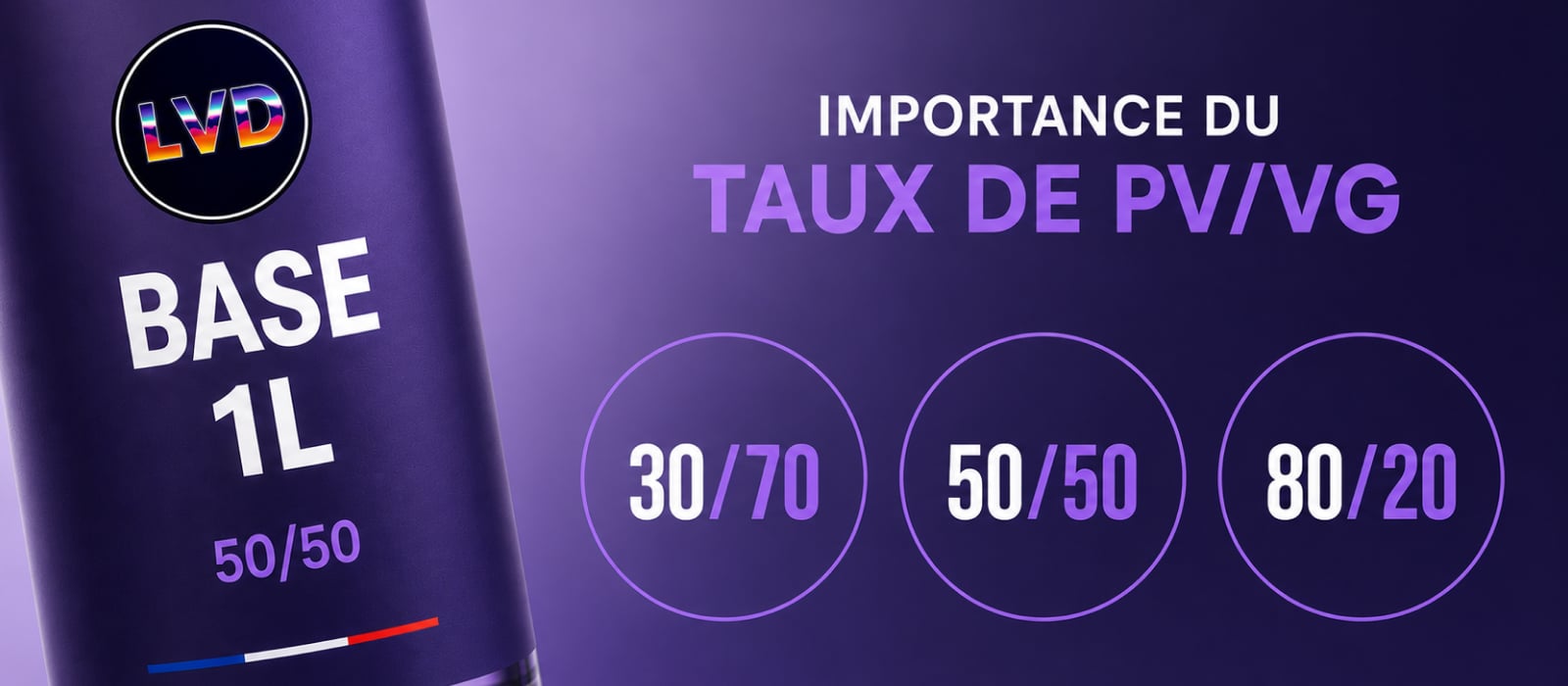
The PG/VG ratio directly affects the vaping experience and how the liquid behaves in an electronic cigarette.
A base rich in propylene glycol:
- enhances the flavours;
- makes the liquid runnier;
- often suits small MTL electronic cigarettes.
A base richer in vegetable glycerine:
- produces more vapour;
- gives a thicker texture;
- sometimes requires suitable DTL equipment.
| PG/VG ratio | Base type | Recommended equipment | Flavour reproduction | Vapour production | Flavouring dosage |
|---|---|---|---|---|---|
| 70/30 PG/VG | Runny neutral base | Small MTL electronic cigarettes 1.8 to 0.8 Ω coils |
⭐⭐⭐ Excellent flavour reproduction | ⭐ Low to moderate | Follow the recommended dosage. |
| 50/50 PG/VG | Balanced neutral base | Versatile RDL electronic cigarettes 0.8 to 0.5 Ω coils |
⭐⭐ Good balance | ⭐⭐ Good balance | Follow the recommended dosage. |
| 20/80 PG/VG | Thick neutral base | DTL / Sub-ohm electronic cigarettes 0.5 to 0.15 Ω coils |
⭐ More subtle | ⭐⭐⭐ High vapour production | A slight increase in the flavouring dosage may be necessary. |
The PG/VG ratio also affects the flavouring dosage. The higher the proportion of glycerine, the higher the dosage some concentrates need to keep a good flavour.
The DIY calculator takes these parameters into account to make preparing the liquid easier.
How do you calculate the right nicotine strength?
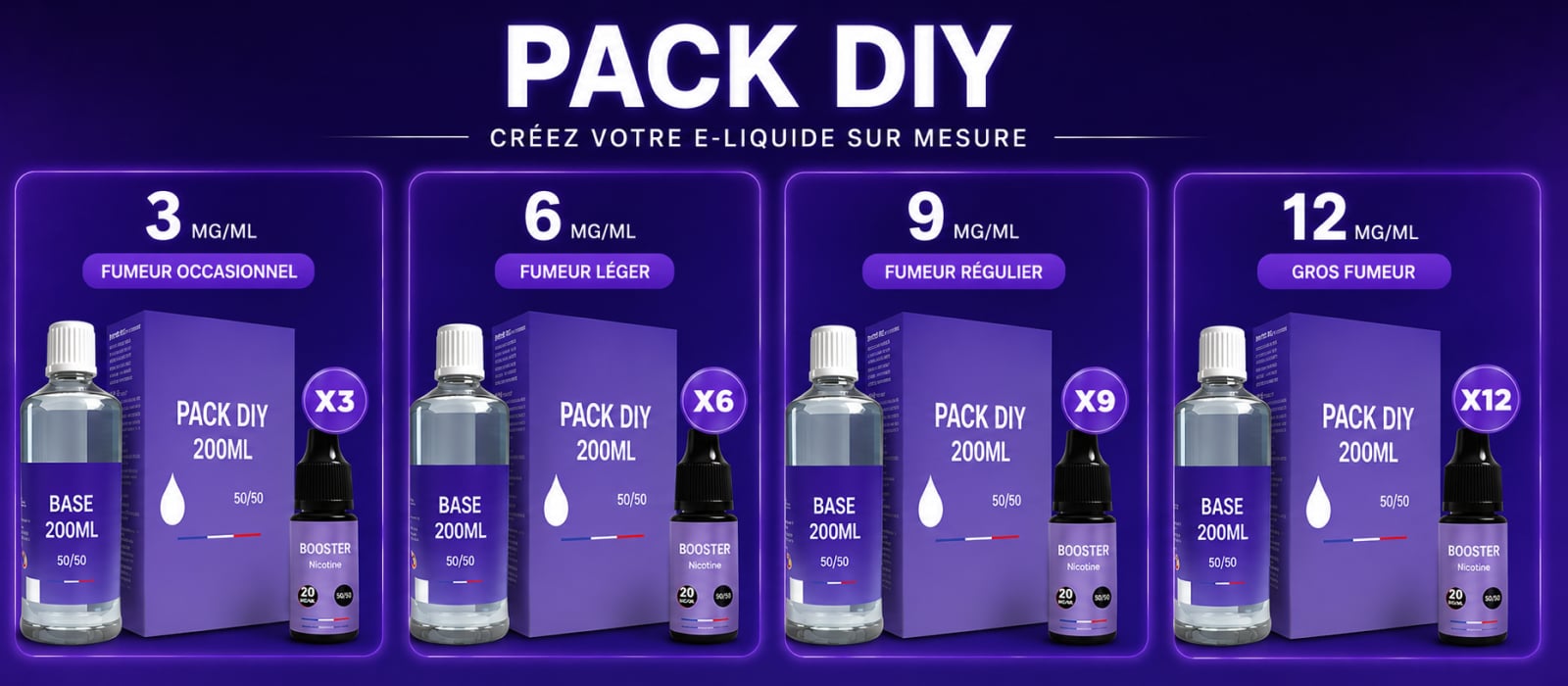
The choice of nicotine strength mainly depends on your smoking habits.
As a guide:
- 0 mg/ml: no nicotine, end of weaning off;
- 3 mg/ml: light cigarette consumption;
- 6 mg/ml: moderate consumption;
- 11 to 12 mg/ml: more regular consumption;
- 16 to 18 mg/ml: heavy tobacco consumption, start of quitting.
These are general guidelines. The choice of strength also depends on the equipment used, the type of vaping and personal habits.
The calculator then automatically converts this strength into the number of boosters needed to make the liquid.
Calculating 20 mg/ml nicotine boosters
To make things clearer, here is a calculation table for 20 mg/ml DIY nicotine boosters:
| Final strength | 10 ml | 50 ml | 100 ml | 250 ml |
|---|---|---|---|---|
| 3 mg/ml | Base: 8.5 ml Booster: 1.5 ml |
Base: 42.5 ml Booster: 7.5 ml |
Base: 85 ml Booster: 15 ml |
Base: 212.5 ml Booster: 37.5 ml |
| 6 mg/ml | Base: 7 ml Booster: 3 ml |
Base: 35 ml Booster: 15 ml |
Base: 70 ml Booster: 30 ml |
Base: 175 ml Booster: 75 ml |
| 12 mg/ml | Base: 4 ml Booster: 6 ml |
Base: 20 ml Booster: 30 ml |
Base: 40 ml Booster: 60 ml |
Base: 100 ml Booster: 150 ml |
| 16 mg/ml | Base: 2 ml Booster: 8 ml |
Base: 10 ml Booster: 40 ml |
Base: 20 ml Booster: 80 ml |
Base: 50 ml Booster: 200 ml |
Steeping and maturing DIY e-liquids
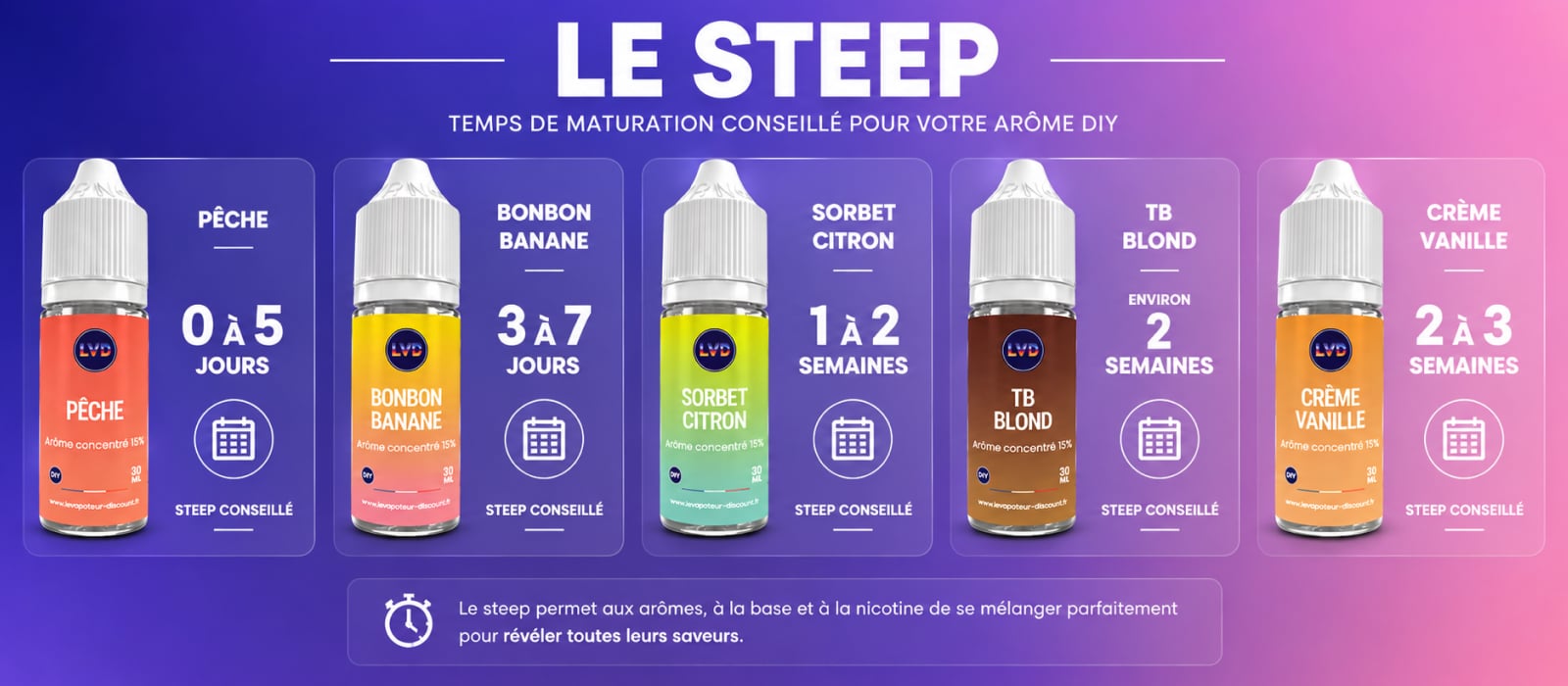
After preparing your DIY e-liquid, a maturing period, also called steeping, may be necessary. During this stage, the different components of the mix gradually blend into the base to give a more uniform preparation and a more balanced flavour.
The steeping time mainly depends on the flavour family used and the complexity of the recipe. A simple fruit flavour will generally need less maturing time than a dessert recipe or a classic-type liquid.
| Recipe type | Examples | Indicative steeping time |
|---|---|---|
| 🍓 Simple fruit | Strawberry, apple, peach, watermelon | 0 to 5 days |
| 🍓🍍 Complex fruit blends | Mix of several fruits | 3 to 7 days |
| 🌿 Menthol / fresh | Mint, eucalyptus, fresh recipes | 1 to 2 weeks |
| 🚬 Classic | Blond and dark classic | About 2 weeks |
| 🍰 Dessert | Vanilla, caramel, pastry, desserts | 2 to 3 weeks |
How do you steep a DIY e-liquid?
During the maturing period, keep your bottle in a dry place, at room temperature and away from light. Remember to shake the bottle regularly to help the different components mix.
The times given in this table are guidelines: the time needed can vary depending on the flavourings used, their concentration and the composition of the recipe. You can therefore taste your preparation over the days to follow how the mix develops.
An e-liquid can be used before the end of its steeping period, but its flavour profile may still change as it matures. Some flavours may therefore seem less present or less balanced at first, then develop gradually.
How should you store a DIY e-liquid?
Storing it properly helps preserve the composition of the liquid and its flavours for longer.
To store a DIY e-liquid in good conditions, it is advisable to:
- keep bottles away from light;
- avoid large temperature changes;
- store the liquid in a dry place;
- close each bottle properly after use.
As a general rule, a DIY liquid can be used within 12 months of the date it was made. Some well-stored liquids can remain usable for up to 18 months.
Beyond that, the liquid is generally still fit for use, but several changes may appear:
- change in taste;
- change in colour;
- runnier texture with a risk of leaks.
What equipment should you use for DIY?
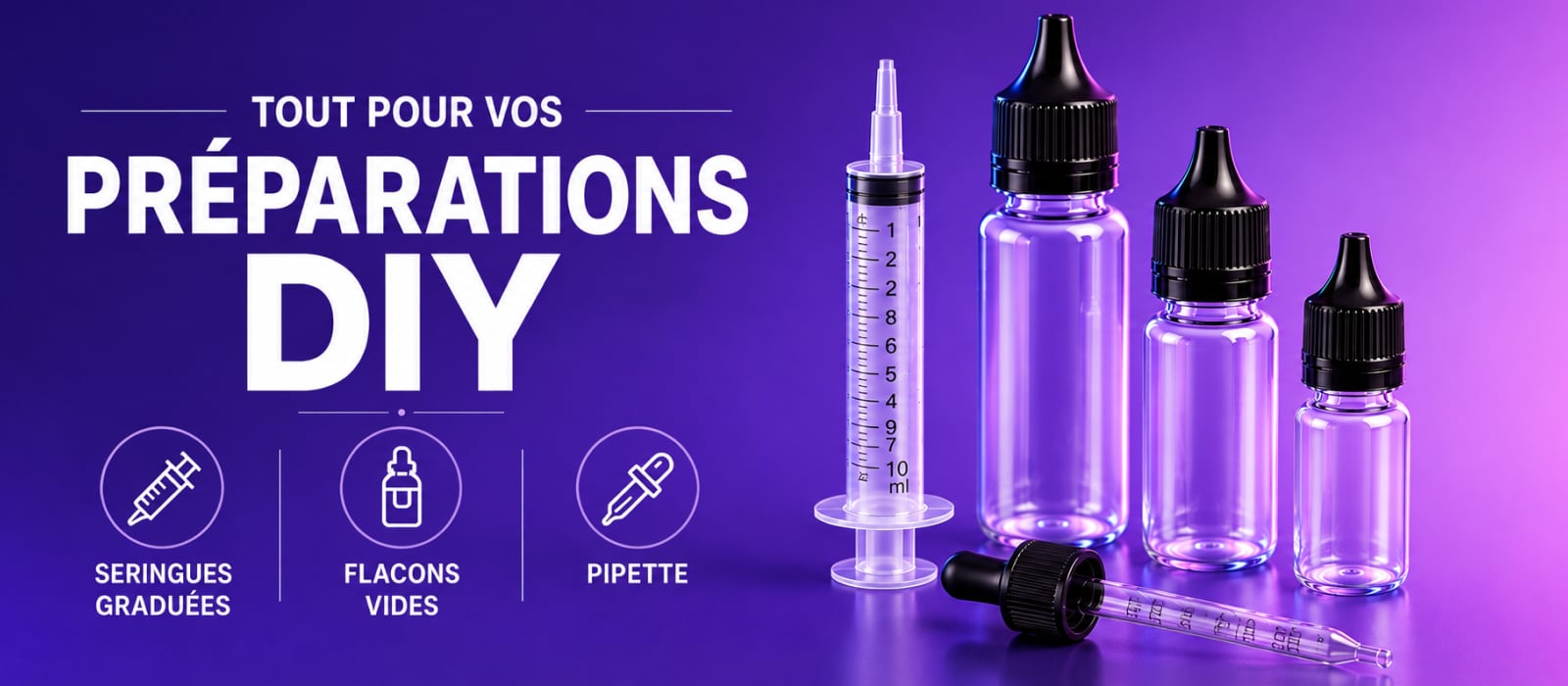
To prepare a DIY liquid more easily, some accessories can be useful:
- graduated bottles;
- syringes;
- beakers;
- pipettes;
- gloves;
- labels;
- DIY cap opener.
These products make dosing easier and reduce errors during preparation.
Wearing gloves is recommended when handling nicotine or nicotine boosters. Nicotine contained in boosters and e-liquids can be absorbed through the skin (like a transdermal patch) and cause skin irritation. In case of contact, rinse thoroughly with clean water and soap.
DIY bases, boosters and flavourings available at Le Vapoteur Discount
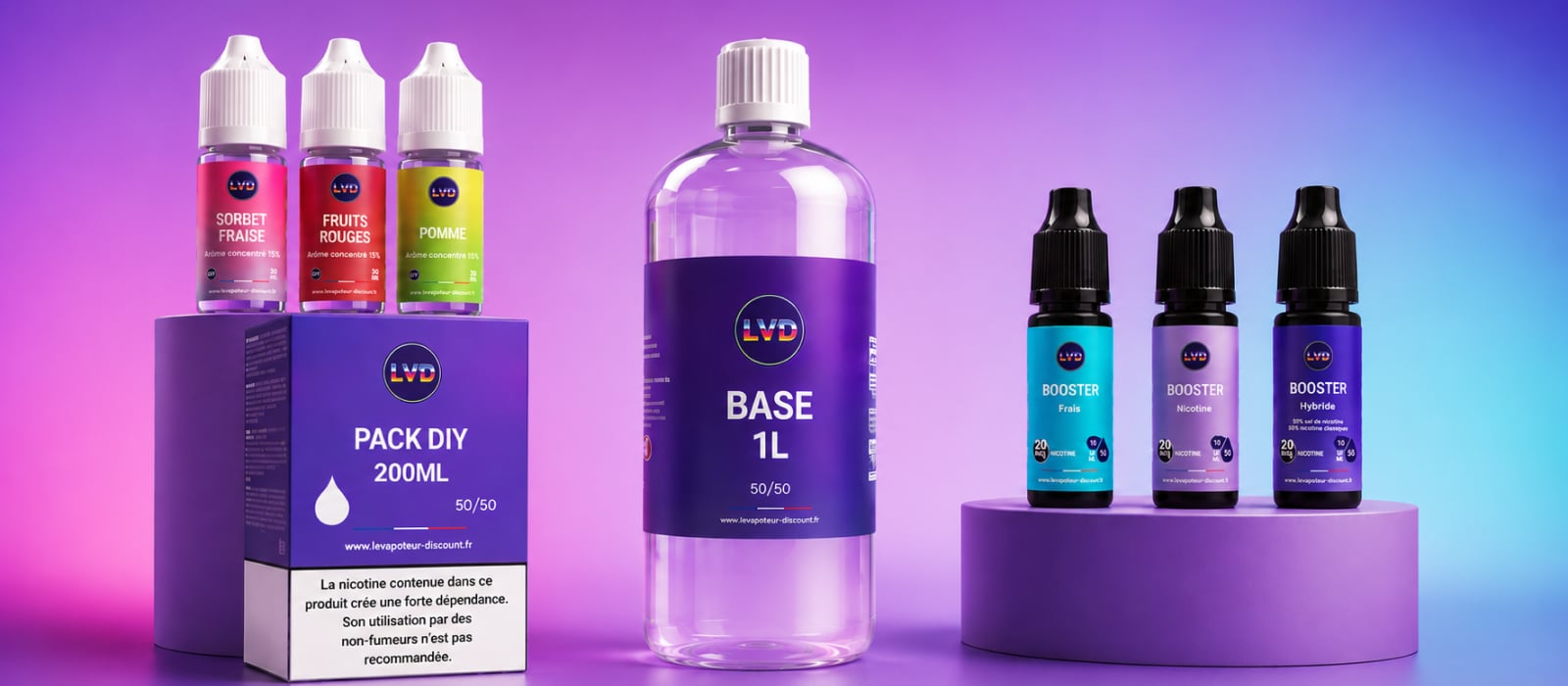
Le Vapoteur Discount offers a range of products for DIY:
- neutral base in several PG/VG ratios;
- nicotine boosters;
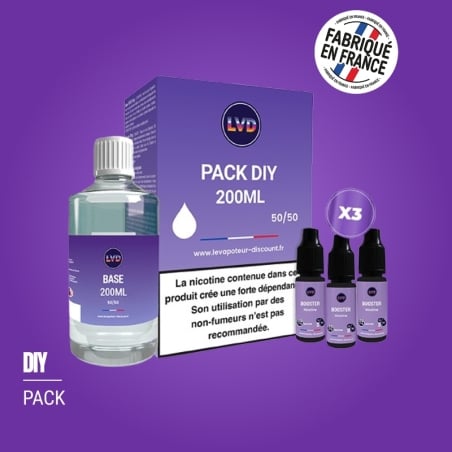
- ready-to-mix 200 ml DIY packs;
- concentrated flavourings in 10 and 30 ml;
- bottles and preparation accessories.
Building on the success of our Le Vapoteur Discount e-liquids, we have developed the matching flavourings so that you can make the Le Vapoteur Discount recipes yourself.
Tips before preparing a DIY e-liquid
Before starting a DIY recipe, it can be useful to check a few points:
- use clean bottles;
- follow the recommended dosage for each concentrate;
- write down the date it was made;
- note the nicotine strength used;
- allow the necessary maturing time;
- keep products out of the reach of children and pets.
DIY lets you tailor your liquids more precisely to your vaping habits, while keeping control over the composition, dosage and flavours used.