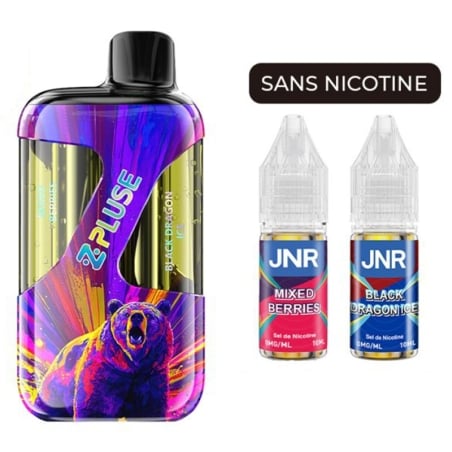
Nicotine-free e-cigarette: when and how to switch to 0 mg
Switching to 0 mg at the end of quitting: composition, regulations, Anses and Tabac info service advice, steps and mistakes to avoid.
Switching to 0 mg at the end of quitting: composition, regulations, Anses and Tabac info service advice, steps and mistakes to avoid.

Listen to the summary (≈ 1 min)
AI-generated voice
A nicotine-free electronic cigarette uses an e-liquid containing 0 mg/ml: it replicates the action and produces vapour, but no longer delivers nicotine. For a former smoker, it is generally the final step in a gradual reduction in strength, not a starting point. According to Anses, vaping is not risk-free, with or without nicotine.
This article is for adult smokers and former smokers who already vape to quit tobacco and are wondering when and how to reduce to 0 mg. You will find out what nicotine-free e-liquid contains, what Anses, Tabac info service and the Cochrane Review say, the stages of a gradual reduction and the pitfalls to avoid.
Reminder: vaping products are intended for adult smokers who want to quit smoking. Their sale to minors is prohibited and they are not intended for non-smokers.
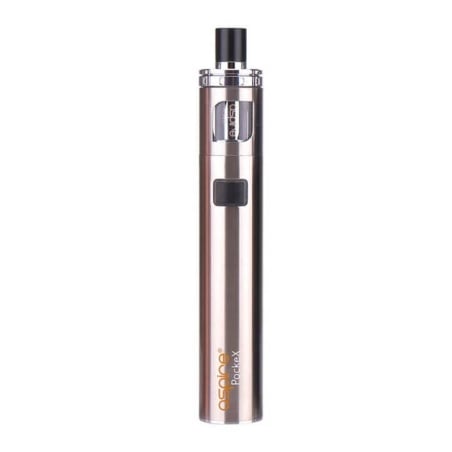
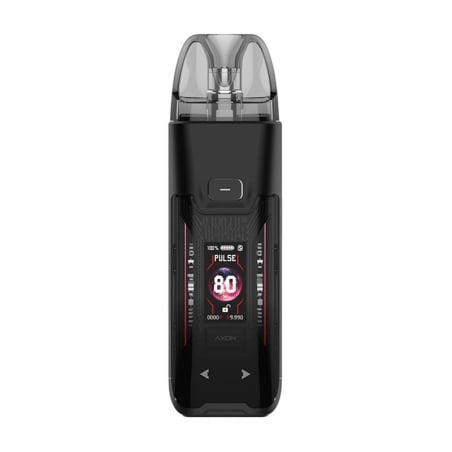
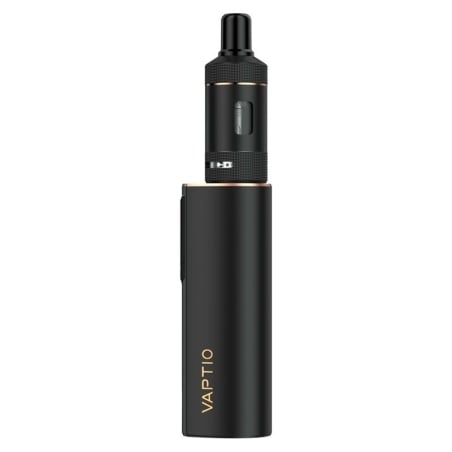
There is no device specifically for 0 mg. An electronic cigarette consists of a battery, a heating coil and a tank, cartridge or pod. The liquid used in it determines the nicotine strength inhaled. The same kit can therefore be used with e-liquid at 12 mg/ml, then 6, 3 and finally 0 mg/ml.
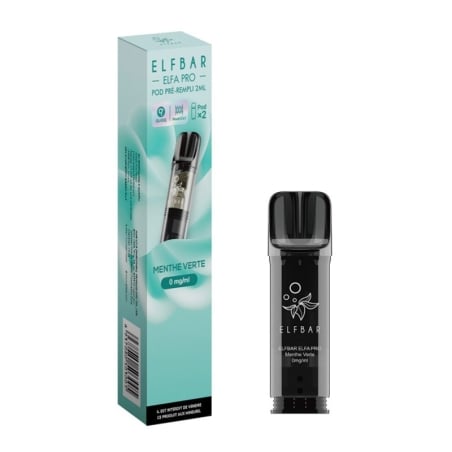
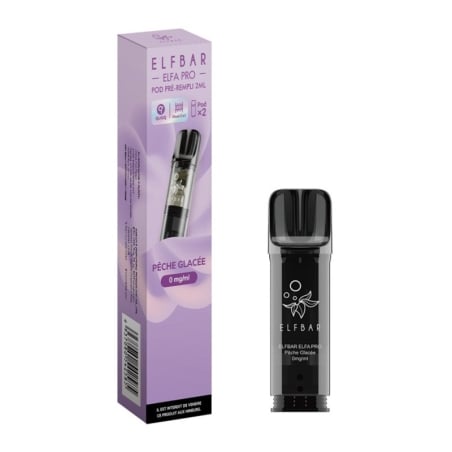
For pre-filled cartridge systems, the strength is set by the cartridge: you must therefore choose a 0 mg refill when the manufacturer offers one. How these models work is explained in our article on the difference between a puff and an electronic cigarette.
A 0 mg e-liquid has the usual composition of an e-liquid, without nicotine:
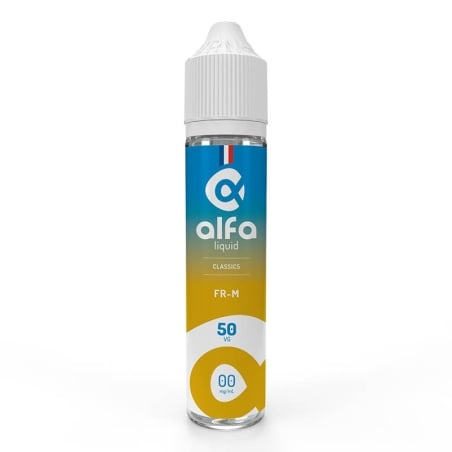
The ratio of PG to VG changes the throat sensation and vapour volume. This is explained in our guide What does PG/VG mean in e-liquid. Many 50 ml bottled e-liquids are sold at 0 mg: they can be used as they are, or a booster can be added to obtain a nicotine strength, as shown in our article 50 ml nicotine-free bottle: how to add nicotine.
The absence of nicotine does not eliminate heating emissions. Anses assessed aldehydes such as formaldehyde, acetaldehyde and acrolein, and points out that the absence of combustion does not prevent their presence in vaping emissions[1].
In France, the rules for manufacturing e-liquids are laid down by the order of 19 May 2016. It covers nicotine-containing vaping products: a maximum of 20 mg/ml, cartridges and tanks of no more than 2 ml, refill bottles of no more than 10 ml, child-resistant packaging and mandatory instructions[4]. This is why large bottles of 50 ml or more are sold without nicotine.
Other rules apply to all vaping products, with or without nicotine:
When you stop smoking, your body craves the nicotine it received from cigarettes. Tabac info service states that, without nicotine replacement therapy, nicotine withdrawal takes around one month after quitting, and that this period can be difficult[2]. Vaping at 0 mg during this phase leaves the withdrawal unaddressed: the risk is returning to cigarettes.
The Cochrane Review, published on 26 August 2026 with searches completed on 1 January 2026, compares the two situations across 6 studies and 1,613 participants. Electronic cigarettes with nicotine probably result in more people quitting smoking at six months than nicotine-free ones: around 3 more people out of 100, with moderate-certainty evidence[3].
The right approach is therefore to start with a strength suited to your tobacco consumption. To assess it, you can refer to our article Fagerström Test: which e-cigarette and nicotine strength to choose and How much nicotine is in a cigarette.
There is no official timeframe. A few indicators can help you decide whether the time is right:
If the urge to smoke returns after reducing your strength, it is safer to go back to the previous strength than risk a relapse. If in doubt, a tobacco cessation specialist, doctor or pharmacist can help set the pace.
The most common method is to reduce in stages, remaining at each stage as long as the situation is stable. Here is an example of a progression, to be adapted with a healthcare professional:
| Stage | E-liquid strength | Sign to move on to the next stage |
|---|---|---|
| 1 | Starting strength suited to tobacco consumption | No more cigarettes, no withdrawal |
| 2 | Intermediate stage (for example, 6 mg/ml) | No urge to smoke, stable vaping frequency |
| 3 | Low strength (for example, 3 mg/ml) | No discomfort for several weeks |
| 4 | 0 mg/ml | Occasional habit, then stop vaping |
Two points to watch. First, at a lower strength, people tend to take puffs more often or for longer: if this is the case, the reduction may be too fast. Second, changing device and strength at the same time makes the sensation difficult to compare. Our article How to reduce your nicotine strength details other methods, including mixing two strengths.
Nicotine is not the only thing that ties people to cigarettes. The habit, rituals and associated moments also matter. At 0 mg, this is what remains. Tabac info service suggests simple rules to prevent it from becoming established[2]:
Vaping from morning to night without realising it is common when quitting smoking. This phenomenon is described in our article I vape all day.
Users of pre-filled cartridge pods can also reduce to 0 mg, provided that the manufacturer offers this strength for their model. The choice is often more limited than for e-liquids: check the product page to ensure that the cartridge is compatible with the battery in use and that its strength is indeed 0 mg.
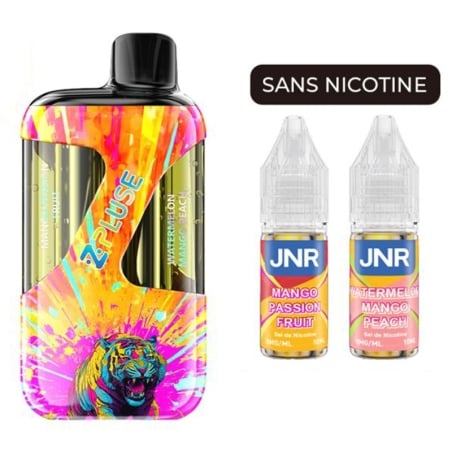
With these systems, reductions are made in larger jumps, as few strengths are available. Switching to a refillable kit during the reduction period allows for finer stages. Our articles How does a puff work and on nicotine-free puffs present these formats.
In its expert assessment published on 4 February 2026, Anses concludes that vaping may have medium- and long-term health effects[1]:
The agency recommends avoiding any normalisation of e-cigarettes among non-smokers and young people. For smokers, it considers them a temporary solution for quitting tobacco, used exclusively and with support from a healthcare professional[1]. For nicotine itself, see our article Is nicotine dangerous?.
For a former smoker, 0 mg is often the step before quitting completely. Here are a few ways to get there:
For an overview of quitting methods, see our guide Quitting smoking in 2026: which method should you choose?.
[1] Anses. Vaping: what are the health risks?. French Agency for Food, Environmental and Occupational Health & Safety, 4 February 2026.
[2] Tabac info service. Vaping at 0 mg. Questions and answers, accessed on 16 September 2026.
[3] Lindson N, et al. Can electronic cigarettes help people stop smoking, and do they have any unwanted effects when used for this purpose. Cochrane Database of Systematic Reviews, CD010216, 26 August 2026.
[4] Decree of 19 May 2016 on nicotine-containing vaping products. Official Journal of the French Republic, Légifrance.
[5] Public Health Code, Articles L3513-1 et seq. (vaping products). Légifrance.
[6] Public Health Code, Article L3513-5-1, resulting from Law No. 2025-175 of 24 February 2025. Légifrance, in force since 26 February 2025.
[7] Tabac info service. 0 mg vape. Questions and answers, accessed on 16 September 2026.
Read the summary with
The article opens in the assistant of your choice, which summarises it for you.
Add a comment