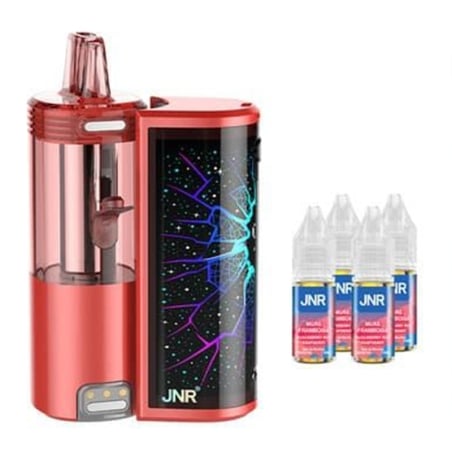
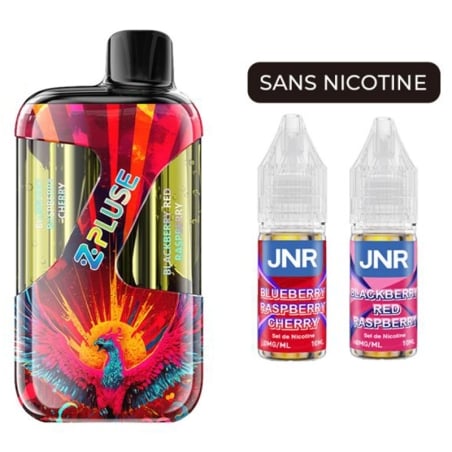
Refillable puff, pre-filled pod or refillable pod: the differences
Battery, cartridge, tank, nicotine, end of life and the 2025 law: what sets a refillable puff apart from a pre-filled or refillable pod.
Battery, cartridge, tank, nicotine, end of life and the 2025 law: what sets a refillable puff apart from a pre-filled or refillable pod.

Listen to the summary (≈ 1 min)
AI-generated voice
A rechargeable puff, a prefilled pod and a refillable pod all have a rechargeable battery; what sets them apart is how the e-liquid is renewed. A prefilled pod is recharged with a sealed cartridge that is replaced, a refillable pod with e-liquid from a bottle poured into its cartridge, and a rechargeable puff, in a compact, no-adjustment format, with either of these solutions depending on the model.
Since the ban on disposable puffs on 26 February 2025, the terminology has become blurred: rechargeable puffs, pods, refills and cartridges are used to describe very similar devices. This comparison focuses on verifiable technical criteria (liquid renewal, coil, nicotine choice, maintenance, end of life) and the legal framework, to help adult smokers who want to quit find their way around.
Law No. 2025-175 of 24 February 2025 created Article L3513-5-1 of the French Public Health Code. Since 26 February 2025, it has prohibited the sale, distribution or free provision of vaping devices that are prefilled with liquid and cannot be refilled, whether or not they have a rechargeable battery. The same article specifies that this ban does not apply to cartridges[1].
Service-public.fr summarises the rule: the sale or free provision of disposable electronic cigarettes is prohibited, while rechargeable models remain permitted. Fines can reach 100,000 euros, rising to 200,000 euros for repeat offences[2]. Our article on the puff ban looks back at the context of this legislation.
An important point: a rechargeable battery alone is not enough. A puff with a prefilled tank that cannot be refilled remains prohibited, even if its battery can be recharged[1].
| Criteria | Prefilled pod | Refillable pod | Rechargeable puff |
|---|---|---|---|
| Battery | rechargeable | rechargeable | rechargeable |
| Liquid renewal | sealed cartridge replaced | bottle poured into the cartridge | cartridge replaced or tank filled, depending on the model |
| Coil | built into each cartridge | built into the cartridge, which lasts for several refills | built in, depending on the model |
| E-liquid choice | limited to the brand's cartridges | unrestricted | limited or unrestricted, depending on the model |
| Nicotine strength choice | from the strengths available in cartridges | any strength up to 20 mg/ml | depending on the model |
| Settings | few or none | often airflow, sometimes power | few or none |
| Handling | minimal | regular refilling | minimal to moderate |
Capacity and nicotine limits are set out in the decree of 19 May 2016: 2 ml for tanks or prefilled cartridges, 10 ml for refill bottles, and a maximum nicotine strength of 20 mg/ml[3]. Article L3513-15 of the French Public Health Code entrusts the Minister for Health with setting these volumes by decree[4].
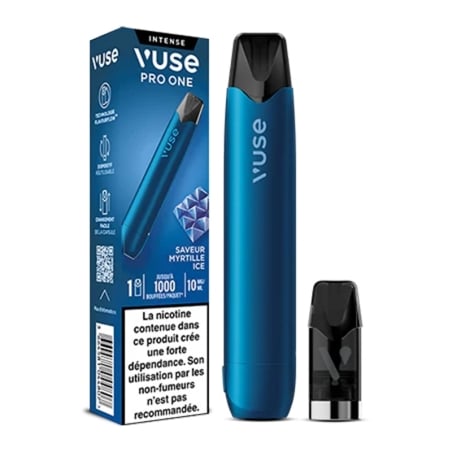
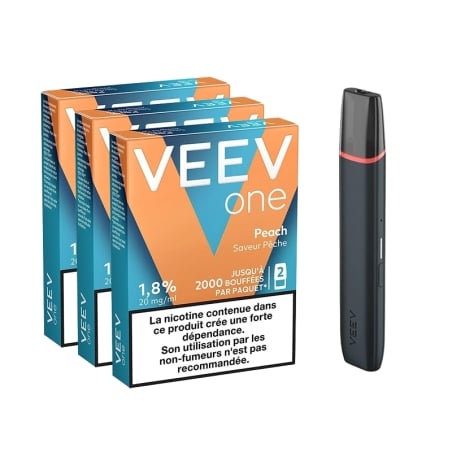
A prefilled pod combines a small rechargeable battery with a cartridge already filled with e-liquid, which also contains the coil. You click in the cartridge, vape, and replace it with a new one when it is empty: it cannot be refilled. Most models are draw-activated, with no button, and use mouth-to-lung inhalation: the vapour first passes through the mouth, with a tight draw similar to that of a cigarette.
It is the simplest solution to use. In return, the choice of flavours and strengths depends on what the brand offers in cartridge form, and each empty cartridge becomes waste. Well-known models of this type are featured in our article on pods.
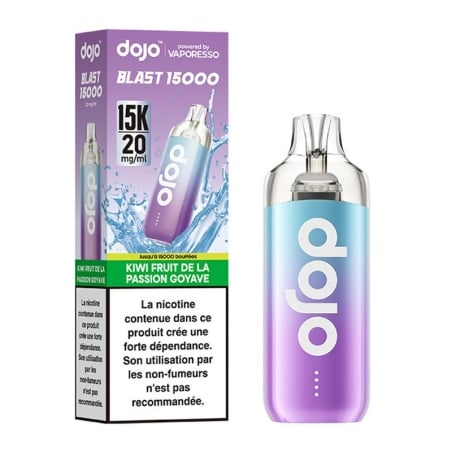
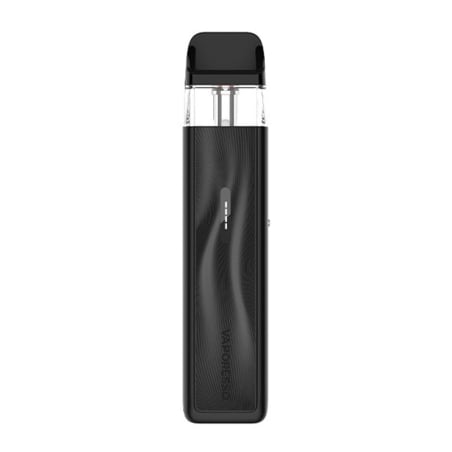
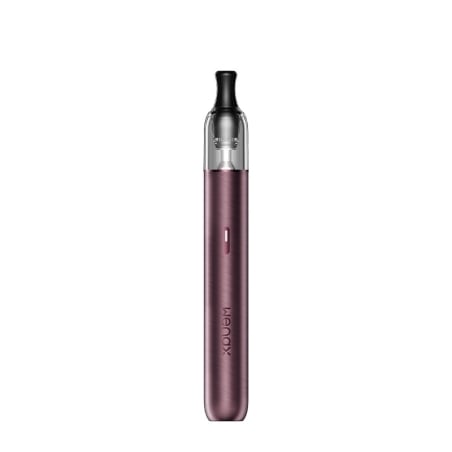
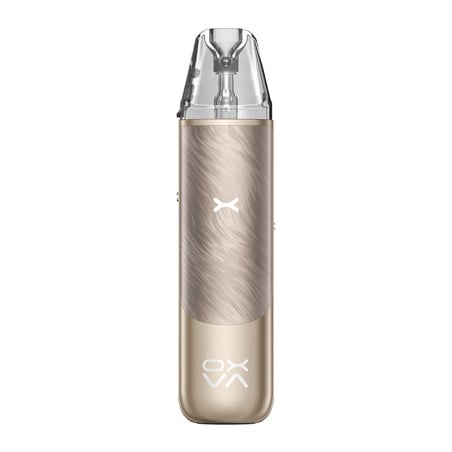
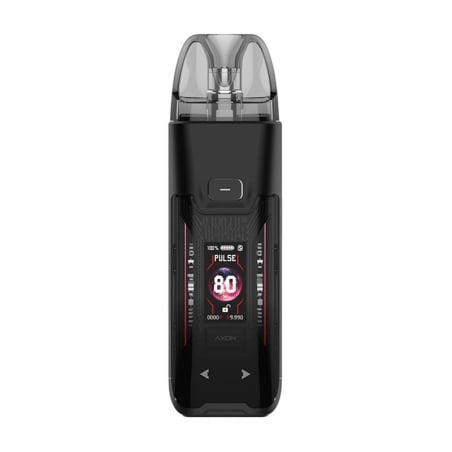
A refillable pod uses an empty cartridge with its built-in coil, which you fill yourself from a bottle of e-liquid. The same cartridge is used for several refills, until the coil wears out: the flavour fades or becomes harsh, and the cartridge must then be replaced. Many models offer airflow adjustment, and sometimes power adjustment.
This type of device requires a little more handling, but allows you to choose your e-liquid and nicotine strength freely, up to 20 mg/ml, and adjust that strength gradually during withdrawal. The refilling process is detailed in our article on refilling with e-liquid, and coil wear in the article on coil lifespan.
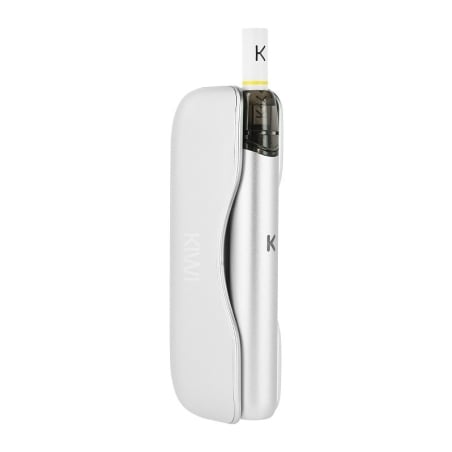
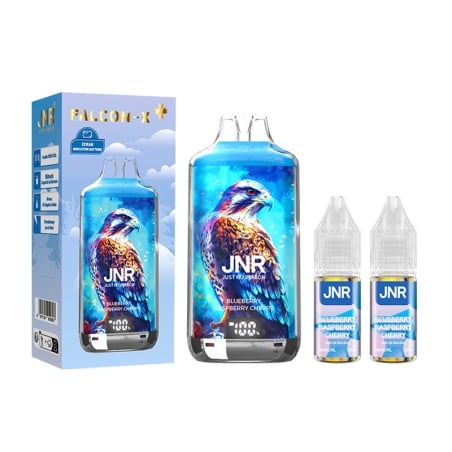
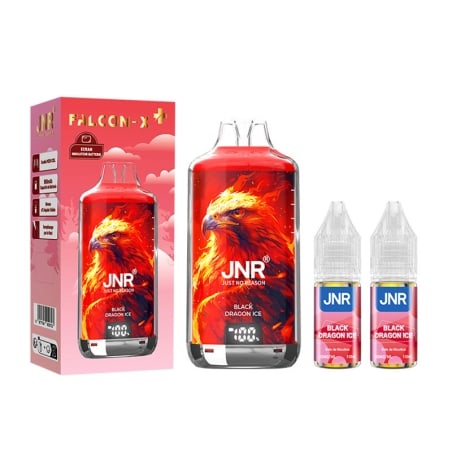
The word puff originally referred to a disposable, prefilled electronic cigarette with no settings. Today, a rechargeable puff retains this compact format and simplicity, but its battery is rechargeable and its liquid can be renewed. Depending on the model, this is done using a prefilled cartridge that is replaced, making it similar to a prefilled pod, or through a tank filled from a bottle, making it similar to a refillable pod.
Before choosing, three questions can help determine which type a model belongs to:
The puff counts displayed on these products are manufacturer estimates measured in a laboratory: they depend on the duration and frequency of puffs. For the difference from a conventional electronic cigarette, see our article on the difference between a puff and an electronic cigarette.
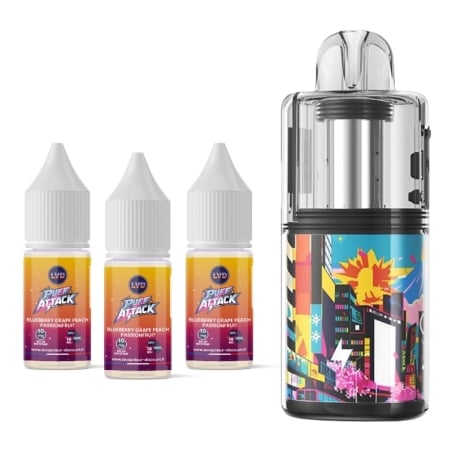
Regardless of the device, the law limits nicotine to 20 mg/ml[3]. The difference lies in the available choice: with a prefilled pod or a cartridge-based puff, you choose from the strengths offered by the brand; with a refillable device, you can choose any commercially available e-liquid and reduce your strength in small steps.
Compact devices with a tight draw are often used with nicotine salts, which make inhalation smoother at the same strength. Our article on nicotine salts explains how they work. The choice of starting strength is usefully discussed with a healthcare professional or Tabac info service.
A used electronic cigarette, including a puff, must not go in the bin. Ademe recommends returning it to the retailer or handing it to the delivery driver, or taking it to a collection bin in a shop or recycling centre. It then enters the electrical and electronic equipment recycling stream, where it is dismantled, decontaminated where necessary and its components sorted[5].
A refillable pod produces less waste per millilitre vaped than a prefilled pod, as the same cartridge is used for several refills. In both cases, the battery, which lasts much longer than the cartridges, remains the main waste item at the end of the device's life.
[1] French Public Health Code, Article L3513-5-1, created by Act No. 2025-175 of 24 February 2025, in force since 26 February 2025. Légifrance.
[2] Service-public.fr. Disposable electronic cigarettes: sale prohibited since 26 February 2025. Directorate for Legal and Administrative Information, 27 February 2025.
[3] Order of 19 May 2016 concerning nicotine-containing vaping products. Official Journal of the French Republic, Légifrance.
[4] French Public Health Code, Article L3513-15. Légifrance.
[5] Ademe. What to do with my items and waste: electronic cigarette. Ecological Transition Agency, accessed 21 September 2026.
This article is for information only and does not replace the advice of a healthcare professional. Vaping products are prohibited for minors and are not intended for non-smokers. Nicotine is highly addictive. For support to quit smoking: Tabac info service, 39 89.
Read the summary with
The article opens in the assistant of your choice, which summarises it for you.
Add a comment